What does Genesis 11:31 mean?
“And Terah took Abram his son, and Lot the son of Haran his son’s son, and Sarai his daughter in law, his son Abram’s wife; and they went forth with them from Ur of the Chaldees, to go into the land of Canaan; and they came unto Haran, and dwelt there.” — Genesis 11:31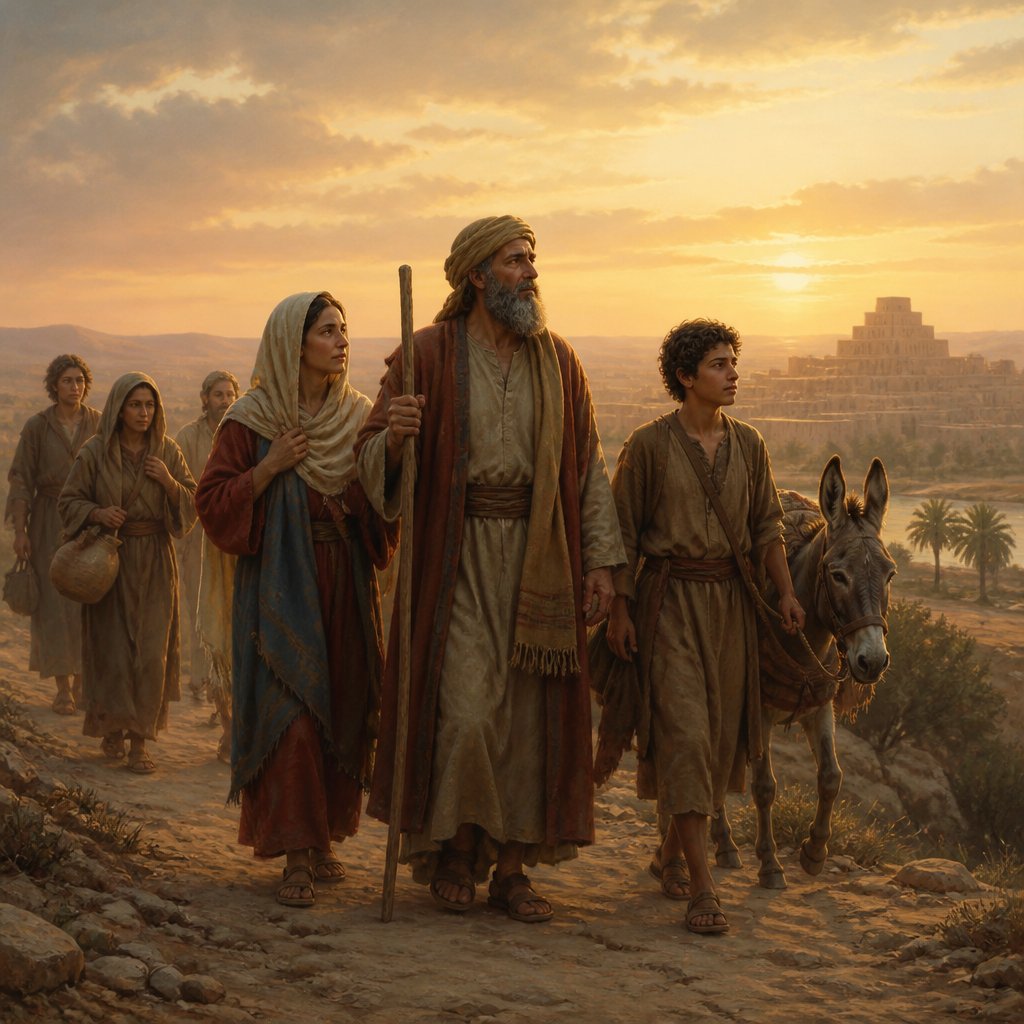
Genesis 11:31 in the King James Version (KJV) reads, "And Terah took Abram his son, and Lot the son of Haran his son's son, and Sarai his daughter in law, his son Abram's wife; and they went forth with them from Ur of the Chaldees, to go into the land of Canaan; and they came unto Haran, and dwelt there."
This passage is a part of the broader narrative of the book of Genesis, which tells the story of the origins of humanity, the Israelite people, and the relationship between God and His chosen people. Genesis 11:31 specifically marks the beginning of the journey of Abram, who later becomes known as Abraham, from his homeland to the land of Canaan, a journey that ultimately has significant implications for the biblical narrative as a whole.
One of the central themes of Genesis 11:31 is obedience to God's call. The narrative begins with Terah, Abram's father, taking his family from Ur of the Chaldees to the land of Canaan. This act of obedience is crucial because it sets the stage for God's covenant with Abram in the following chapters of Genesis. It demonstrates the importance of listening to and following God's guidance, even when it requires leaving behind one's familiar surroundings and embarking on a journey into the unknown.
Another theme present in Genesis 11:31 is the idea of journey and pilgrimage. The act of leaving one's homeland and journeying to a new land is a recurring motif throughout the Bible, symbolizing the spiritual journey of faith and obedience. This passage emphasizes the literal and metaphorical significance of journeying, as Abram and his family leave behind the familiar comforts of Ur to follow God's call to a new land. This idea of pilgrimage also ties into the broader biblical theme of the promised land, which is a central concept in the Old Testament and is often associated with the fulfillment of God's promises.
The historical and cultural context of Genesis 11:31 is also important for understanding its significance. Mention of Ur of the Chaldees, a city in ancient Mesopotamia, provides a historical anchor for the narrative. This reference helps situate the biblical account within a specific time and place, highlighting the real-world context in which these events are taking place. It also underscores the cultural and geographical significance of the journey to Canaan, as Abram and his family leave behind their homeland in Mesopotamia to travel to a new and unfamiliar land.
Symbolism plays a significant role in the interpretation of Genesis 11:31 as well. The journey from Ur to Canaan can be seen as a symbol of the spiritual journey of faith and obedience. It represents the idea of leaving behind the old life and embarking on a new path, guided by God's promises and leading to a place of fulfillment and blessing. This symbolic journey is a recurring theme in the Bible, representing the process of spiritual growth and transformation that occurs through a relationship with God.
Overall, Genesis 11:31 is a foundational passage in the biblical narrative, marking the beginning of Abram's journey to the land of Canaan. It introduces themes of obedience to God's call, the significance of journey and pilgrimage, and the cultural and historical context of the biblical story. Through its themes, context, and symbolism, this passage sets the stage for the unfolding of God's plan for His chosen people and establishes the broader narrative of the Old Testament.
Get our apps


Artwork for Genesis 11:31

Genesis 11:31 - "And Terah took Abram his son, and Lot the son of Haran his son's son, and Sarai his daughter in law, his son Abram's wife; and they went forth with them from Ur of the Chaldees, to go into the land of Canaan; and they came unto Haran, and dwelt there."
"And Terah took Abram his son, and Lot the son of Haran his son's son, and Sarai his daughter in law, his son Abram's wife; and they went forth with them from Ur of the Chaldees, to go into the land of Canaan; and they came unto Haran, and dwelt there." - Genesis 11:31
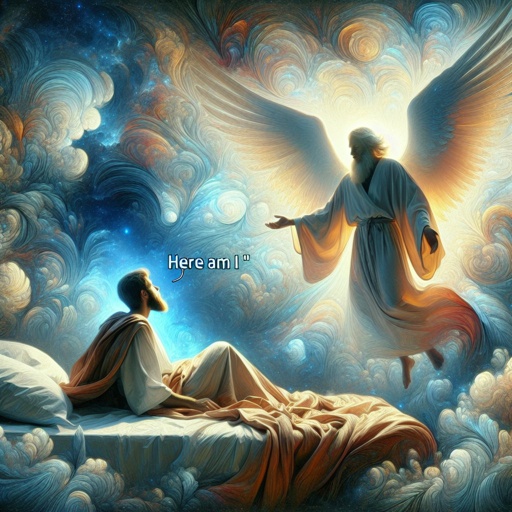
Genesis 31:11 - "And the angel of God spake unto me in a dream, saying, Jacob: And I said, Here am I."

Genesis 21-31

Genesis 18-31

Genesis 31:35
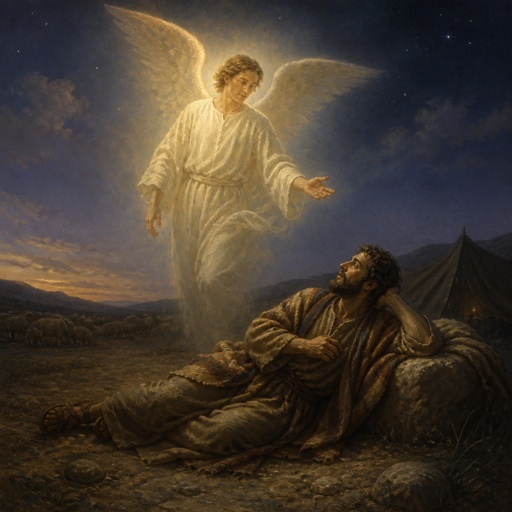
"And the angel of God spake unto me in a dream, saying, Jacob: And I said, Here am I." - Genesis 31:11

Genesis 19-31

Genesis 24-31

Genesis 31:22 - "And it was told Laban on the third day that Jacob was fled."

Genesis 31:45 - "And Jacob took a stone, and set it up for a pillar."

Genesis 31:47 - "And Laban called it Jegarsahadutha: but Jacob called it Galeed."

Genesis 31:31 - "And Jacob answered and said to Laban, Because I was afraid: for I said, Peradventure thou wouldest take by force thy daughters from me."

Genesis 34:31 - "And they said, Should he deal with our sister as with an harlot?"

Genesis 25:31 - "And Jacob said, Sell me this day thy birthright."

Genesis 31:2 - "And Jacob beheld the countenance of Laban, and, behold, it was not toward him as before."

1 Kings 11:30-31

1 Kings 11:30-31

1 Kings 11:30-31

Job 31:11 - "For this is an heinous crime; yea, it is an iniquity to be punished by the judges."

Genesis 37:31 - "And they took Joseph's coat, and killed a kid of the goats, and dipped the coat in the blood;"

Genesis 31:4 - "And Jacob sent and called Rachel and Leah to the field unto his flock,"

Genesis 42:31 - "And we said unto him, We are true men; we are no spies:"

Ecclesiates 3:1
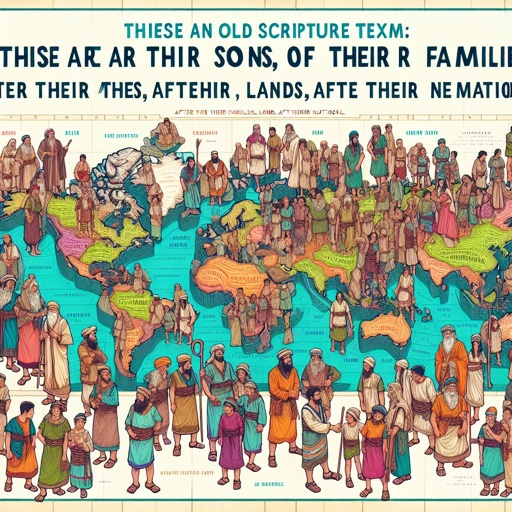
Genesis 10:31 - "These are the sons of Shem, after their families, after their tongues, in their lands, after their nations."

Genesis 41:31 - "And the plenty shall not be known in the land by reason of that famine following; for it shall be very grievous."

Genesis 21:31 - "Wherefore he called that place Beer-sheba; because there they sware both of them."

Lamentations 3:1-18

Genesis 31:17 - "¶ Then Jacob rose up, and set his sons and his wives upon camels;"

Genesis 31:6 - "And ye know that with all my power I have served your father."