What does Genesis 13:11 mean?
“Then Lot chose him all the plain of Jordan; and Lot journeyed east: and they separated themselves the one from the other.” — Genesis 13:11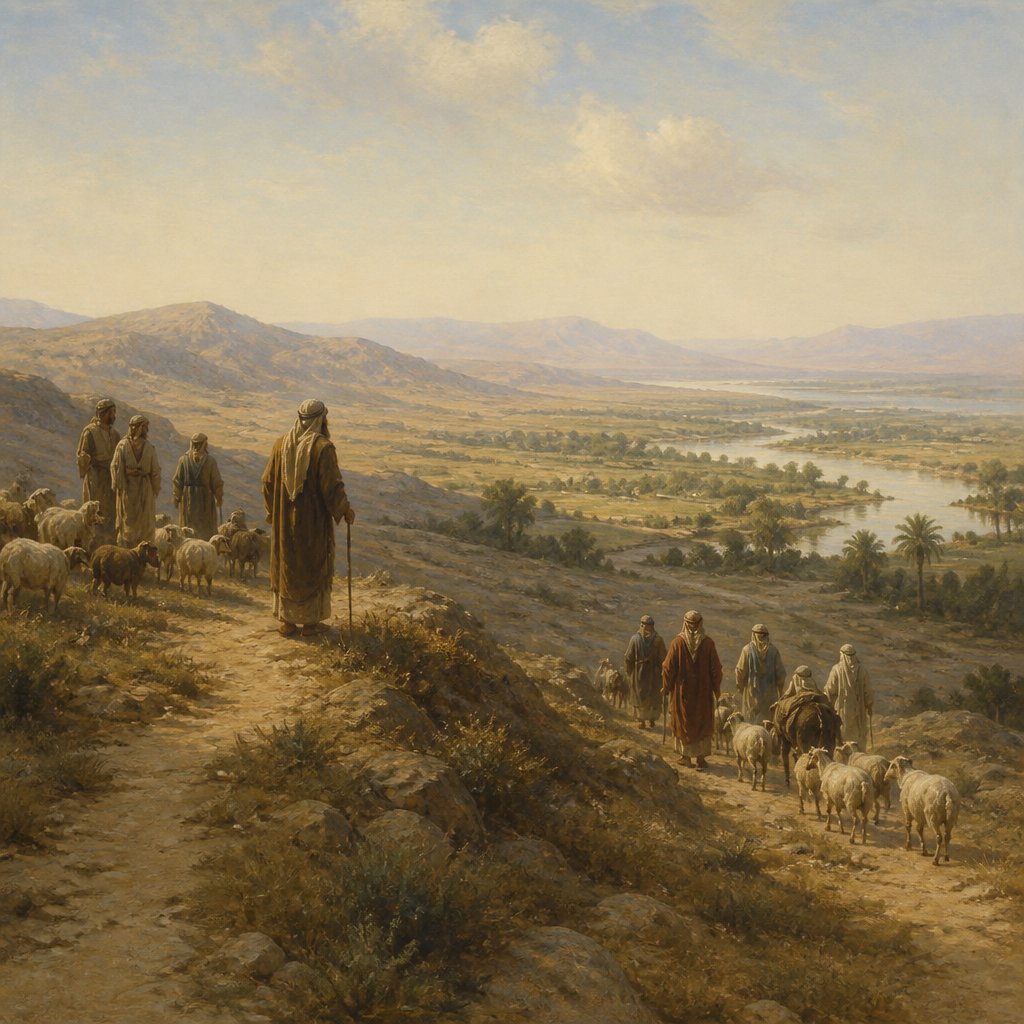
Genesis 13:11 (KJV) reads: "Then Lot chose him all the plain of Jordan; and Lot journeyed east: and they separated themselves the one from the other."
This verse is part of a larger passage that describes the rift between Abram (later known as Abraham) and his nephew Lot. Lot had accompanied Abram on his journey from Ur to Canaan, but their respective households and possessions had grown to the point where the land could no longer support them both. In this verse, Lot makes a decision to separate from Abram and settle in the fertile plain of the Jordan River, leaving Abram to settle in the land of Canaan.
The significance of this verse lies in the themes of division, choice, and consequences. Lot's decision to separate from Abram reveals a turning point in their relationship and sets the stage for the future events that will unfold. This verse also speaks to the broader theme of God's sovereignty and the fulfillment of His promises to Abram.
The context of this verse is important in understanding its deeper implications. In the preceding verses, Abram and Lot had returned to Canaan from Egypt, where they had both acquired vast wealth and livestock. As a result, the land could no longer support both of their households. Additionally, tension had arisen between their respective herdsmen, leading to conflict. Abram, being the elder and the leader, made the noble choice to give Lot first choice of the land. It is in this context that Lot chose the well-watered plain of the Jordan River, leaving the less fertile land of Canaan to Abram.
The act of Lot choosing the plain of the Jordan carries symbolic and theological significance. The plain of the Jordan was lush and fertile, often associated with the idea of abundance and prosperity. Lot's choice of this land can be seen as a manifestation of his worldly desires and priorities. It is a reflection of his inclination towards material wealth and comfort, rather than a deeper commitment to following God's will. This choice ultimately leads to Lot's entanglement with the wicked city of Sodom and Gomorrah and the consequences that follow.
This verse also serves as a reminder of the consequences of our choices. Lot’s decision to separate from his uncle and settle in the plain of the Jordan ultimately leads to his downfall. It highlights the dangers of prioritizing worldly comforts and striving for material gain over faithfulness to God's will.
From a theological perspective, this verse provides insight into God's providence and sovereignty. Despite the division between Abram and Lot, God will continue to fulfill His promises to Abram. The separation between the two men marks a turning point in God's plan for Abram, as it sets the stage for the land of Canaan to become the ancestral inheritance of Abram's descendants. It also serves as a precursor to the events that will ultimately lead to the destruction of Sodom and Gomorrah and the rescue of Lot and his family by God's intervention.
In conclusion, Genesis 13:11 (KJV) is a verse that highlights the themes of division, choice, and consequences. It serves as a reminder of the dangers of prioritizing worldly desires over faithfulness to God's will and the significance of God's sovereignty in fulfilling His promises. The context and symbolism of this verse provide valuable insight into the larger narrative of Abram's journey and God's plan for His people.
Get our apps


Artwork for Genesis 13:11

Genesis 13:11 - "Then Lot chose him all the plain of Jordan; and Lot journeyed east: and they separated themselves the one from the other."

Genesis 13:11 KJV Then Lot chose him all the plain of Jordan; and Lot journeyed east: and they separated themselves the one from the other.
"Then Lot chose him all the plain of Jordan; and Lot journeyed east: and they separated themselves the one from the other." - Genesis 13:11

Genesis 11:13 - "And Arphaxad lived after he begat Salah four hundred and three years, and begat sons and daughters."
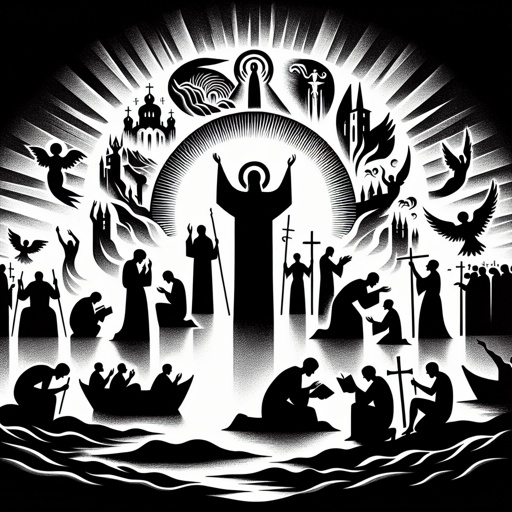
Psalm 1:1-3
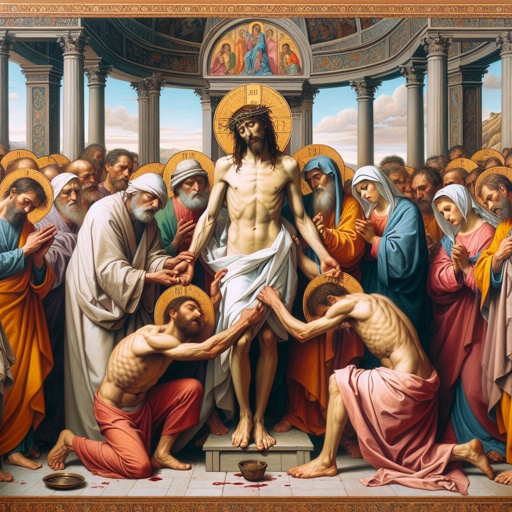
Pain 1:1-3
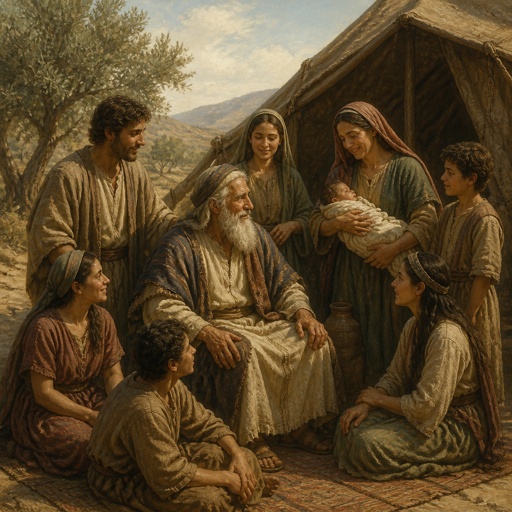
"And Arphaxad lived after he begat Salah four hundred and three years, and begat sons and daughters." - Genesis 11:13

Genesis 13:13 - "But the men of Sodom were wicked and sinners before the LORD exceedingly."

Ephesians 1:3

Genesis 20-13

Genesis 15:13

Genesis 13:10
Genesis 18-13

Genesis 25-13

Genesis 9:13

Genesis 16:13

Genesis 19-13

Genesis 21-13

Genesis 23-13

Genesis 28-13

Genesis 17-13
Genesis 24-13

Genesis 22-13

1 kings 11:11-13

1 Kings 11:11-13

1 Kings 11:11-13

Genesis 11:5

genesis 8:11

genesis 8:11

Genesis 8:11