What does Genesis 15:12 mean?
“And when the sun was going down, a deep sleep fell upon Abram; and, lo, an horror of great darkness fell upon him.” — Genesis 15:12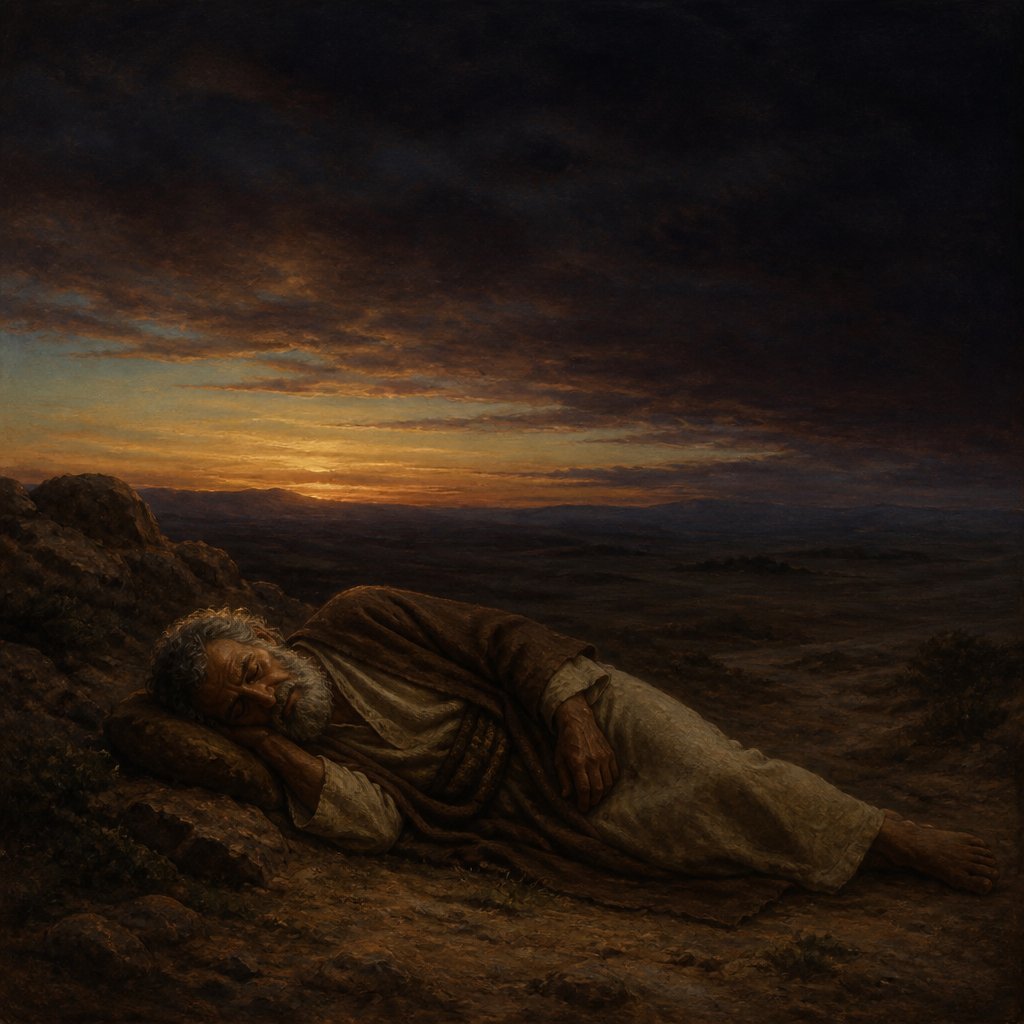
Genesis 15:12 (KJV) reads, "And when the sun was going down, a deep sleep fell upon Abram; and, lo, an horror of great darkness fell upon him."
This verse is part of the larger narrative in Genesis 15, which tells the story of God's covenant with Abram (later known as Abraham). In this chapter, God speaks to Abram and makes a promise to him, stating that his descendants will be as numerous as the stars in the sky. Abram is asked to bring several animals to sacrifice, and God makes a covenant with him, signifying that Abram's descendants will inherit the land of Canaan. This section of Genesis is foundational to the Abrahamic religions, including Judaism, Christianity, and Islam, as it establishes the origins of the Israelite nation and God's promise to provide them with a homeland.
In Genesis 15:12, the text describes a moment when a deep sleep falls upon Abram, and he is overcome by a "horror of great darkness." This symbolism of darkness and sleep has deep spiritual, psychological, and thematic significance in the biblical narrative. The use of darkness and sleep in this verse can be interpreted in several ways, all of which contribute to the overarching themes of faith, trust, and the fulfillment of God's promises.
Firstly, the deep sleep that falls upon Abram can be seen as a metaphor for a state of spiritual receptivity. Throughout the Bible, sleep is often used as a symbol of a state of rest, surrender, or submission to God's will. In this context, Abram's deep sleep represents his trust in God and his willingness to surrender to God's plan for his life. It shows that Abram is open to receiving God's message and guidance, and is willing to let go of his own fears and anxieties in order to fully trust in God's promises.
The "horror of great darkness" that falls upon Abram also holds significant symbolic meaning. Darkness is a recurring motif in the Bible, often representing fear, uncertainty, and the unknown. In this verse, the darkness can be interpreted as the fear and doubt that Abram experiences as he contemplates the magnitude of God's promises. Despite his faith in God, Abram is human and experiences moments of doubt and fear. The "horror" that falls upon him serves as a reminder of the challenges and obstacles that he will face in fulfilling God's promises. It speaks to the human experience of faith, as even the most faithful individuals can experience moments of fear and uncertainty in the face of overwhelming challenges.
The context of Genesis 15:12 is also important to consider. This verse occurs in the midst of a pivotal moment in Abram's life, as he is on the cusp of God's covenant and the fulfillment of God's promises. This moment of fear and darkness serves to highlight the magnitude of God's promises and the challenges that Abram will face in the future. It serves as a reminder that the fulfillment of God's promises will not come without hardship and struggle, but that ultimately, God's will shall prevail.
In summary, Genesis 15:12 is a deeply symbolic and thematically rich verse that speaks to the complexities of faith and the human experience. The use of darkness and sleep serves to highlight Abram's trust in God and his willingness to surrender to God's plan, while also acknowledging the fear and doubt that can arise in the face of overwhelming challenges. This verse is a powerful reminder of the importance of faith, trust, and perseverance in the face of uncertainty, and serves as a foundational text in the biblical narrative of God's promises and covenant with humanity.
Get our apps


Artwork for Genesis 15:12

Genesis 15:12

Genesis 15:12 - "And when the sun was going down, a deep sleep fell upon Abram; and, lo, an horror of great darkness fell upon him."
"And when the sun was going down, a deep sleep fell upon Abram; and, lo, an horror of great darkness fell upon him." - Genesis 15:12

Genesis 12:15 - "The princes also of Pharaoh saw her, and commended her before Pharaoh: and the woman was taken into Pharaoh's house."

Genesis 12:15 The princes also of Pharaoh saw her, and commended her before Pharaoh: and the woman was taken into Pharaoh's house.

Genesis 15:15
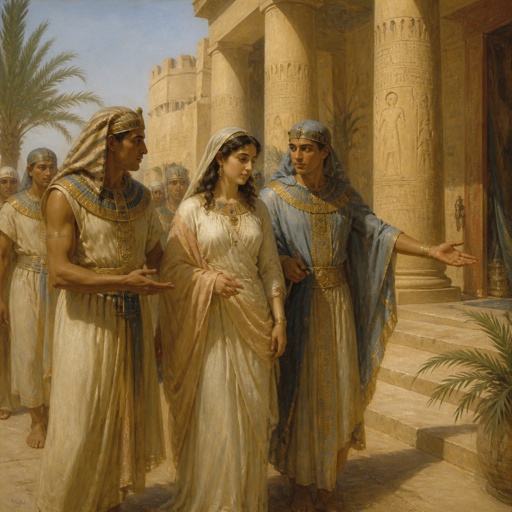
"The princes also of Pharaoh saw her, and commended her before Pharaoh: and the woman was taken into Pharaoh's house." - Genesis 12:15

Genesis 12

Genesis 28-15

Genesis 17-15

Genesis 15:10

Genesis 15:20

Genesis 22:15

Genesis 20-15

Genesis 15:14

Genesis 15:11

Genesis 16:15

Genesis 24-15

Genesis 19-15

Genesis 15:13

Genesis 25-15

Genesis 23-15

Genesis 18-15

Genesis 15:9

Genesis 21-15

Genesis 24:15

Genesis 15:19

Genesis 15:7

Genesis 15:16

Genesis 15:17