What does Genesis 15:4 mean?
“And, behold, the word of the LORD came unto him, saying, This shall not be thine heir; but he that shall come forth out of thine own bowels shall be thine heir.” — Genesis 15:4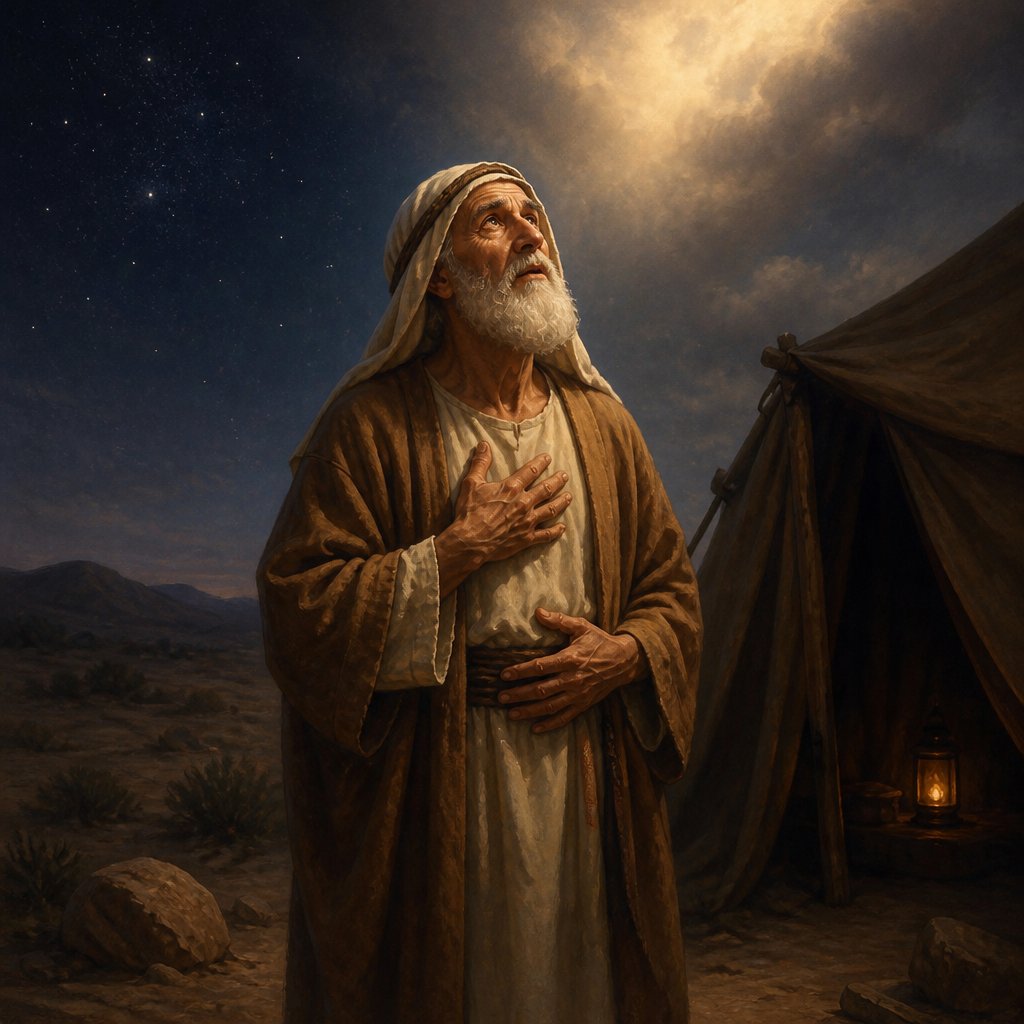
Genesis 15:4 (KJV): "And, behold, the word of the Lord came unto him, saying, This shall not be thine heir; but he that shall come forth out of thine own bowels shall be thine heir."
This verse from the book of Genesis is part of the story of Abraham, known as the father of the Hebrew people. In this particular passage, God speaks to Abraham, promising him that a child will be born to him who will be his heir. This promise is significant because it speaks to the fulfillment of God's covenant with Abraham, in which God promises to make him the father of a great nation.
The theme of promise and fulfillment is central to this verse and to the broader story of Abraham. Throughout the book of Genesis, God makes several promises to Abraham, including the promise of land, descendants, and a blessing for all nations through his offspring. The fulfillment of these promises is essential to the establishment of the nation of Israel and the eventual coming of Jesus Christ, who is seen as the ultimate fulfillment of God's promises to Abraham.
The context of this verse is important to understanding its significance. At the time of this promise, Abraham and his wife Sarah were advanced in age and had been unable to have children. The idea of them having a child at such a late stage in life seemed impossible, yet God's promise to Abraham was that he would have a child who would be his heir. This context highlights the miraculous nature of God's promise and the power of His ability to bring about the fulfillment of His word, regardless of human limitations.
The symbolism of this verse is also worth noting. The image of a child being born out of one's own bowels symbolizes the idea of a direct and intimate connection between the parent and the child. In this case, the promise of a child from Abraham's own body signifies the unique and special nature of the relationship between the child and the inheritance of the covenant promises. Additionally, the birth of this child represents the beginning of the fulfillment of God's covenant with Abraham, as the child will be the one through whom God's promises will be realized.
Overall, Genesis 15:4 (KJV) is a verse that speaks to the themes of promise, fulfillment, and the miraculous power of God. It is a reminder of God's faithfulness to His covenant promises and His ability to bring about the impossible. The context of this verse, in which Abraham and Sarah were elderly and childless, underscores the miraculous nature of the promise and the significance of the child who would be born. The symbolism of the verse highlights the intimacy and direct connection between the parent and the child, as well as the fulfillment of God's covenant through the birth of this child. This verse is foundational to the broader story of God's covenant with Abraham and the eventual fulfillment of His promises through the nation of Israel and ultimately through Jesus Christ.
Get our apps


Artwork for Genesis 15:4

Genesis 15:4 - "And, behold, the word of the LORD came unto him, saying, This shall not be thine heir; but he that shall come forth out of thine own bowels shall be thine heir."

Genesis 15:4 And, behold, the word of the LORD came unto him, saying, This shall not be thine heir; but he that shall come forth out of thine own bowels shall be thine heir.
"And, behold, the word of the LORD came unto him, saying, This shall not be thine heir; but he that shall come forth out of thine own bowels shall be thine heir." - Genesis 15:4

Genesis 15:15

Genesis 4:15 - "And the LORD said unto him, Therefore whosoever slayeth Cain, vengeance shall be taken on him sevenfold. And the LORD set a mark upon Cain, lest any finding him should kill him."

Genesis 28-15

Genesis 17-15

Genesis 15:10

Genesis 15:20

Genesis 22:15

Genesis 20-15

Genesis 15:14

Genesis 15:11

Genesis 16:15

Genesis 24-15

Genesis 19-15

Genesis 15:13

Genesis 25-15

Genesis 23-15

Genesis 18-15

Genesis 15:9

Genesis 21-15

Genesis 24:15

Genesis 15:19

Genesis 15:7

Genesis 15:16

Genesis 15:17
Genesis 15:18

Genesis 15:12

Genesis 15:1