What does Genesis 16:8 mean?
“And he said, Hagar, Sarai’s maid, whence camest thou? and whither wilt thou go? And she said, I flee from the face of my mistress Sarai.” — Genesis 16:8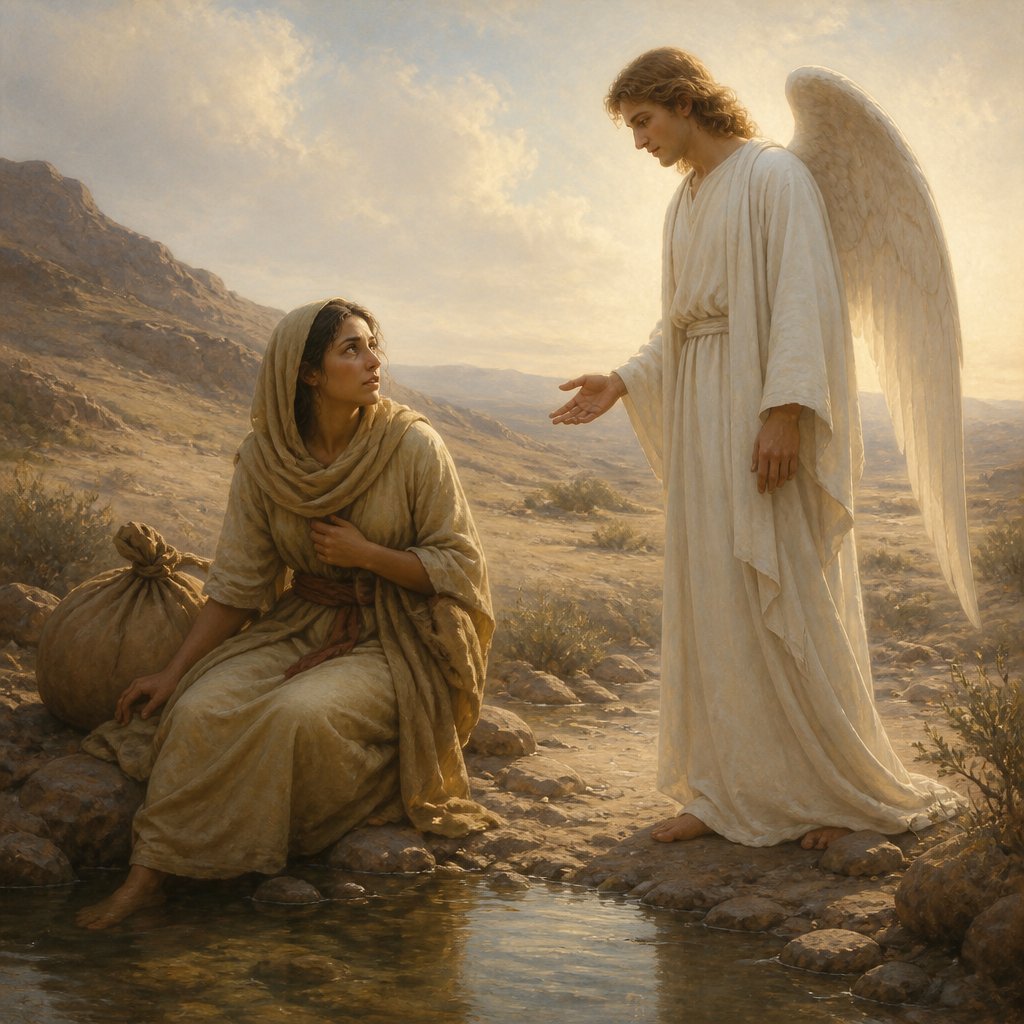
Genesis 16:8 in the King James Version of the Bible reads, "And he said, Hagar, Sarai's maid, whence camest thou? and whither wilt thou go? And she said, I flee from the face of my mistress Sarai." This verse comes from the story of Hagar, an Egyptian maidservant who was given to Abram (later known as Abraham) by his wife Sarai (later known as Sarah) in an attempt to fulfill God's promise of a son to Abram. This verse occurs after Hagar had fled from Sarai's mistreatment and was encountered by an angel of the Lord in the desert.
The story of Hagar's encounter with the angel of the Lord and her subsequent return to Sarai's household is a significant and complex passage in the book of Genesis. It provides valuable insights into themes of obedience, faith, divine intervention, and the broader context of God's unfolding plan for humanity.
The verse begins with the angel of the Lord questioning Hagar about her origins and her destination. This shows the divine interest and concern for Hagar's well-being, despite her lowly status as a maidservant. The angel's question also serves as a prompt for Hagar to reassess her situation and consider the choices before her. Hagar's response, "I flee from the face of my mistress Sarai," reveals her desperation and fear of the mistreatment she had endured. It highlights the hardship and oppression experienced by a vulnerable and marginalized woman in ancient society.
The overarching theme of obedience is present in this verse as well. Although Hagar had fled from Sarai, the angel of the Lord instructs her to return and submit herself to Sarai's authority. This command demonstrates the importance of obedience to God's will, even in difficult and unjust circumstances. Hagar's obedience to the angel's directive ultimately leads to her acceptance of God's plan for her and her son, Ishmael.
The verse also illustrates the theme of divine intervention and providence. The angel's encounter with Hagar in the desert is a powerful demonstration of God's personal involvement in the lives of individuals, especially those who are suffering and oppressed. The angel's assurance to Hagar that her descendants will be numerous and that her son will also be blessed reflects God's promise to fulfill His covenant with Abram, despite the unconventional means through which Ishmael was conceived.
Furthermore, the symbolic significance of Hagar's experiences and her eventual return to Sarai's household cannot be overlooked. Hagar's journey from mistreatment and exile to divine encounter and acceptance aligns with the broader biblical theme of redemption and restoration. Her willingness to submit to God's will and trust in His promises foreshadows the redemptive work of Christ and the inclusion of all peoples in God's plan of salvation.
The context of Genesis 16:8 within the larger narrative of Hagar's story serves to deepen the complexity and richness of its meaning. It offers valuable insights into the human experience of suffering, oppression, and obedience, as well as the divine attributes of compassion, intervention, and redemption. Overall, this verse is a testament to the enduring relevance and timeless truths contained within the biblical text. It continues to inspire and instruct readers on the themes of faith, obedience, and the transformative power of God's grace.
Get our apps


Artwork for Genesis 16:8

Genesis 16:8

Genesis 16:8 - "And he said, Hagar, Sarai's maid, whence camest thou? and whither wilt thou go? And she said, I flee from the face of my mistress Sarai."
"And he said, Hagar, Sarai's maid, whence camest thou? and whither wilt thou go? And she said, I flee from the face of my mistress Sarai." - Genesis 16:8

Genesis 8:16 - "Go forth of the ark, thou, and thy wife, and thy sons, and thy sons' wives with thee."

Genesis 16:16
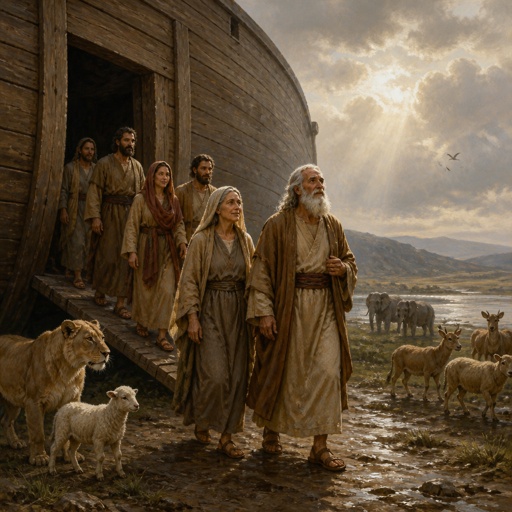
"Go forth of the ark, thou, and thy wife, and thy sons, and thy sons' wives with thee." - Genesis 8:16

Genesis 16:3

Genesis 16:14

Genesis 16:2

Genesis 16:6

Genesis 1:16

Genesis 15:16

Genesis 16:12

Genesis 25-16

Genesis 16:1

Genesis 18-16

Genesis 16:11

Genesis 3:16

Genesis 17-16

Genesis 16:4

Genesis 16:7

Genesis 23-16

Genesis 16:9

Genesis 16:5

Genesis 20-16

Genesis 28-16

Genesis 22-16

Genesis 16:15

Genesis 16:10

Genesis 16:3