What does Genesis 19:27 mean?
“And Abraham gat up early in the morning to the place where he stood before the LORD:” — Genesis 19:27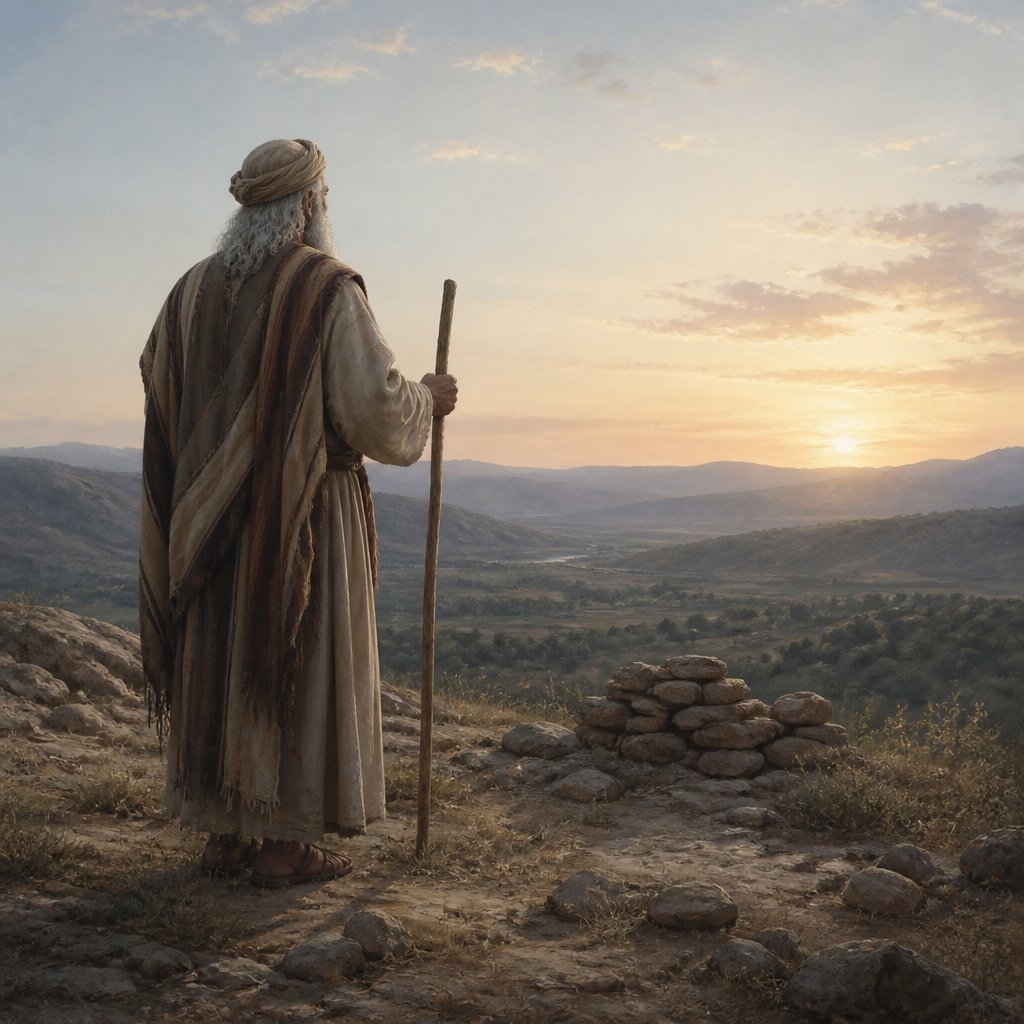
Genesis 19:27 in the King James Version (KJV) reads, "And Abraham gat up early in the morning to the place where he stood before the LORD." This verse is part of the larger narrative of the destruction of Sodom and Gomorrah, and it holds significant meaning within the context of Abraham's relationship with God and his role as a patriarch in the biblical narrative.
In order to truly understand the depth of this verse, it is important to examine the broader context in which it is situated. In Genesis 18, we see the Lord appearing to Abraham in the form of three men. Abraham offers hospitality to these visitors, and it is during this encounter that the Lord reveals to Abraham that Sodom and Gomorrah are to be destroyed due to their wickedness. Abraham pleads with the Lord to spare the cities if there are righteous people within them, and the Lord agrees to spare the cities if even ten righteous people can be found.
In Genesis 19, the two angels who appeared as men go to Sodom to rescue Lot and his family before the destruction of the city. Lot and his family are warned not to look back as they flee, but Lot's wife disobeys and is turned into a pillar of salt. The destruction of Sodom and Gomorrah then follows, and in the aftermath, we find Abraham gazing at the smoke rising from the cities.
The verse in question, Genesis 19:27, describes Abraham rising early in the morning to the place where he had stood before the Lord. This act of rising early and returning to a significant place indicates Abraham's devotion and commitment to his relationship with God. It also reflects his desire to seek communion with the Lord and to fulfill his role as a faithful servant. Throughout the narrative, Abraham's pleas for the righteous are evidence of his concern for justice and his faithful obedience to God's will.
Symbolically, the act of rising early in the morning can be seen as a symbol of diligence, dedication, and commitment. It reflects a deep sense of reverence and submission to the will of God. Abraham's actions serve as a model for believers, demonstrating the importance of seeking God earnestly and consistently.
The story of the destruction of Sodom and Gomorrah and Abraham's response to it also highlights the themes of judgment, righteousness, and mercy. The Lord's judgment upon the wickedness of Sodom and Gomorrah is contrasted with His mercy in sparing Lot and his family. Abraham's pleas for mercy on behalf of the righteous demonstrate the tension between justice and compassion, and they reveal the complexity of God's character and His dealings with humanity.
In a broader sense, this verse and its surrounding narrative offer insight into the nature of God and the dynamics of the relationship between God and man. It illustrates the importance of faithful obedience, diligent prayer, and persistent intercession. It also emphasizes the significance of standing before the Lord and seeking His presence in all circumstances.
Overall, Genesis 19:27 in the King James Version is a powerful verse that encapsulates the themes of devotion, righteousness, judgment, and mercy. It provides valuable lessons for believers about the nature of God, the importance of faithfulness, and the dynamics of the relationship between God and man. Through the example of Abraham, this verse challenges us to seek communion with the Lord, to intercede for the righteous, and to trust in God's sovereignty and mercy.
Get our apps


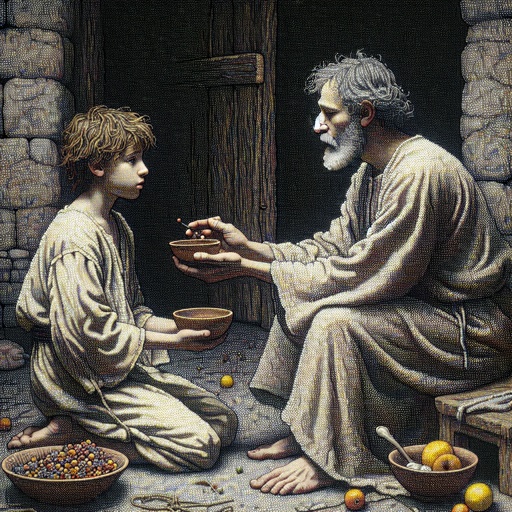
Artwork for Genesis 19:27

Genesis 19-27

Genesis 19:27 - "¶ And Abraham gat up early in the morning to the place where he stood before the LORD:"
"¶ And Abraham gat up early in the morning to the place where he stood before the LORD:" - Genesis 19:27

Genesis 27:18-19

Genesis 27:19 - "And Jacob said unto his father, I am Esau thy firstborn; I have done according as thou badest me: arise, I pray thee, sit and eat of my venison, that thy soul may bless me."

Genesis 19-19

Genesis 27:5

Genesis 27:32

Genesis 25-27

Genesis 17-27

Genesis 18-27

Genesis 24-27

Genesis 21-27

Exodus 27:19-20

John 19:25-27

Genesis 10:27 - "And Hadoram, and Uzal, and Diklah,"

Genesis 27:10 KJV

John 19:25-27

John 19:26-27

Exodus 27:19-21

Genesis 27:1-3

Genesis 36:27 - "The children of Ezer are these; Bilhan, and Zaavan, and Akan."
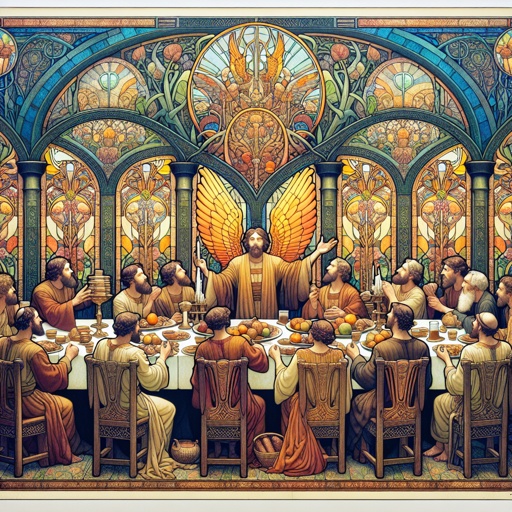
Genesis 27:19 KJV And Jacob said unto his father, I am Esau thy firstborn; I have done according as thou badest me: arise, I pray thee, sit and eat of my venison, that thy soul may bless me.
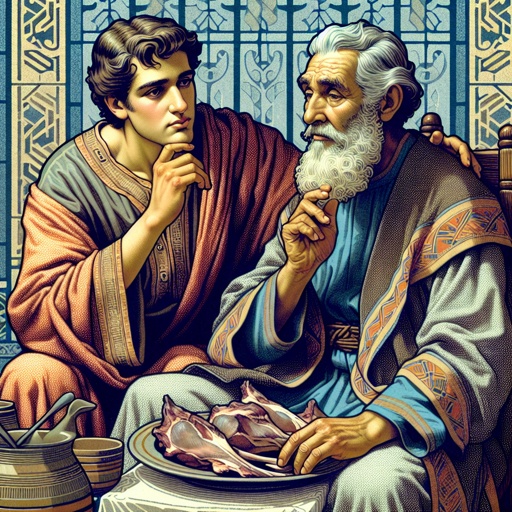
Genesis 27:19 KJV And Jacob said unto his father, I am Esau thy firstborn; I have done according as thou badest me: arise, I pray thee, sit and eat of my venison, that thy soul may bless me.
Genesis 27:19 KJV And Jacob said unto his father, I am Esau thy firstborn; I have done according as thou badest me: arise, I pray thee, sit and eat of my venison, that thy soul may bless me.

Genesis 15:19

Genesis 19-26

Genesis 19-13

Genesis 23-19

Genesis 28-19