What does Genesis 20:1 mean?
“And Abraham journeyed from thence toward the south country, and dwelled between Kadesh and Shur, and sojourned in Gerar.” — Genesis 20:1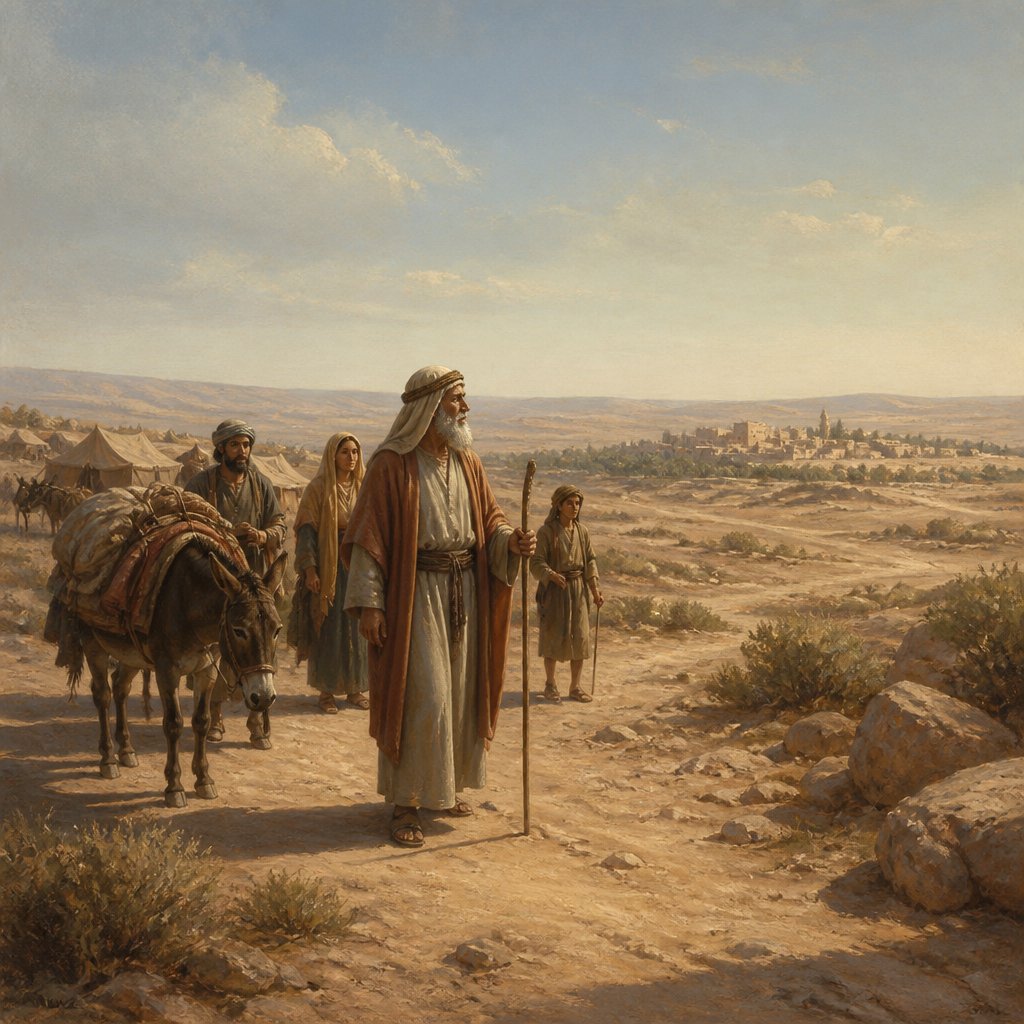
Genesis 20:1 in the King James Version of the Bible reads, "And Abraham journeyed from thence toward the south country, and dwelled between Kadesh and Shur, and sojourned in Gerar." This verse is a part of a larger narrative about Abraham's journey and his encounter with King Abimelech in the land of Gerar. To fully understand the meaning and significance of this verse, it is important to consider the context, themes, and symbolism within the broader story of Abraham's life.
The book of Genesis is the first book of the Bible and serves as a foundational text for both Judaism and Christianity. It is a book rich with themes of creation, covenant, and the origins of the world and humanity. The narrative of Abraham, in particular, is significant because he is often considered the father of the Israelite nation and a key figure in the lineage of Jesus Christ. Abraham's story is one of faith, obedience, and the fulfillment of God's promises.
In Genesis 20, Abraham is on a journey with his wife Sarah. They are traveling through the land of Canaan, the land that God had promised to give to Abraham and his descendants. However, as they approach the region of Gerar, Abraham becomes fearful. He tells Sarah to pretend to be his sister rather than his wife because he is afraid that the inhabitants of Gerar will kill him in order to take Sarah for themselves. This decision reflects a lack of faith and trust in God's protection, as well as a failure to fully trust in the covenant promises that God had made to him.
Abraham's journey to the south country, between Kadesh and Shur, signifies a period of wandering and uncertainty. Throughout the Bible, the act of journeying is often symbolic of the spiritual journey of the individual or the nation of Israel. It represents the ups and downs, challenges, and victories that come with a life of faith and devotion to God. Abraham's physical journey is also reflective of the spiritual journey that we all must take as we seek to follow God's will and fulfill our purpose.
The land of Gerar, where Abraham and Sarah sojourn, is a significant location in this story. Gerar is the territory of King Abimelech, a powerful ruler in the region. The encounter between Abraham and Abimelech serves as a test of Abraham's faith and integrity. It also demonstrates the complex interplay between human decisions and divine intervention in the unfolding of God's purposes. The name "Gerar" itself means "lodging place" or "a region of much grass," and it is associated with both hospitality and conflict in the biblical narrative.
The themes of fear, faith, and deception are central to the story of Abraham and Sarah's sojourn in Gerar. Abraham's decision to deceive Abimelech about his relationship with Sarah is a reflection of his fear and lack of trust in God's protection. This act of deception puts Sarah in a vulnerable position and ultimately leads to a confrontation with Abimelech. However, despite Abraham's failure, God intervenes to protect Sarah and Abimelech from acting in ignorance.
The story of Abraham's journey to Gerar and his encounter with Abimelech is a powerful reminder of the human tendency to falter in our faith and trust in God. It also demonstrates God's faithfulness and sovereignty in the midst of human frailty and failure. The narrative ultimately points to the importance of holding steadfast to God's promises and relying on His protection and provision, even in the face of fear and uncertainty.
In conclusion, Genesis 20:1 and the broader narrative of Abraham's journey to Gerar and his encounter with King Abimelech contain profound themes of faith, fear, deception, and divine intervention. These themes are woven into the larger tapestry of the human experience and serve as a reminder of the complexities of our spiritual journey. The story ultimately points to the importance of trusting in God's promises and relying on His protection, even in the midst of uncertainty and doubt.
Get our apps


Artwork for Genesis 20:1

Genesis 20-1

Genesis 20:1 - "And Abraham journeyed from thence toward the south country, and dwelled between Kadesh and Shur, and sojourned in Gerar."
"And Abraham journeyed from thence toward the south country, and dwelled between Kadesh and Shur, and sojourned in Gerar." - Genesis 20:1

Genesis 35:16-20

Genesis 20

Genesis 1:20 - "And God said, Let the waters bring forth abundantly the moving creature that hath life, and fowl that may fly above the earth in the open firmament of heaven."

Genesis 20-18

Genesis 20-13

Genesis 20-16

Genesis 15:20

Genesis 20-4

Genesis 20-15

Genesis 18-20

Genesis 19-20

Genesis 20-17
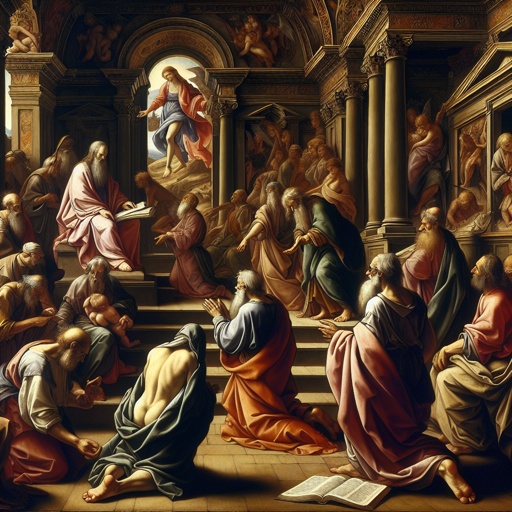
Genesis 20-3

Genesis 20-7

Genesis 23-20

Genesis 20-19

Genesis 20-8

Genesis 28-20

Genesis 20-12

Genesis 20-10
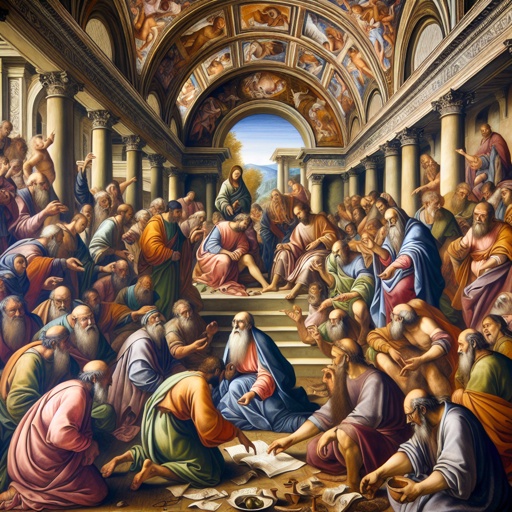
Genesis 20-11

Genesis 22-20

Genesis 21-20

Genesis 20:9

Genesis 20-2

Genesis 20-14

Genesis 20-5