What does Genesis 20:15 mean?
“And Abimelech said, Behold, my land is before thee: dwell where it pleaseth thee.” — Genesis 20:15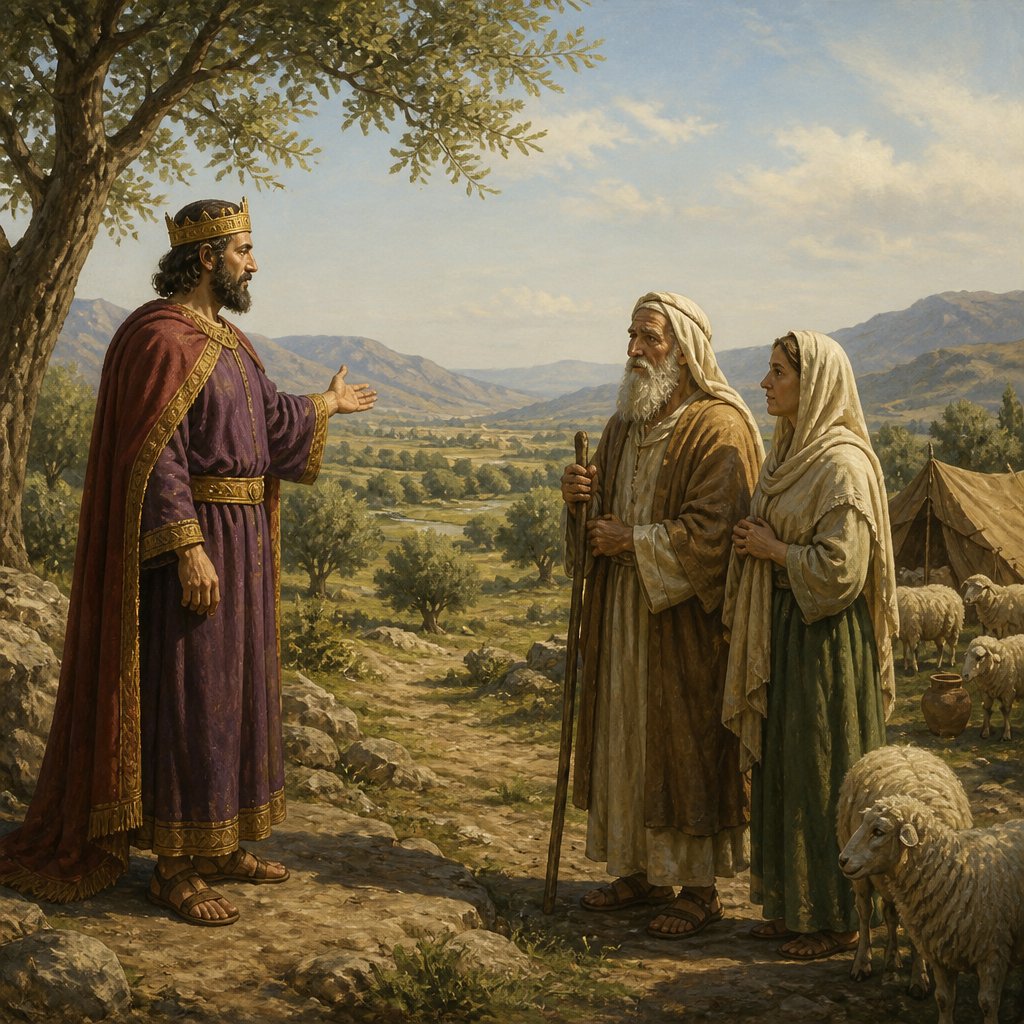
Genesis 20:15 (KJV) says, "And Abimelech said, Behold, my land is before thee: dwell where it pleaseth thee."
This verse comes from the story of Abraham and Sarah's time in Gerar. The context of this verse is crucial for understanding its meaning and significance. In the preceding verses, we learn that Abraham, in fear for his life, had lied to Abimelech, king of Gerar, telling him that Sarah was his sister rather than his wife. This lie put Sarah in a dangerous position, as she was taken into Abimelech's household. However, before he had any intimate relations with Sarah, God appeared to Abimelech in a dream and warned him that she was actually Abraham's wife. Abimelech then returned Sarah to Abraham and offered him sheep, oxen, and servants as a gesture of reconciliation.
In this verse, Abimelech is expressing his desire to make amends with Abraham by offering him the freedom to live wherever he chooses in the land of Gerar. This is a significant act of reconciliation and forgiveness, as in ancient times, the right to live in a certain area was a symbol of security and acceptance. By telling Abraham that his land is before him and he can dwell wherever he pleases, Abimelech is essentially welcoming him back into the community and ensuring his safety and freedom.
There are several themes at play in this verse, the first being forgiveness and reconciliation. Despite the deception and betrayal that occurred, Abimelech is willing to put the past behind him and extend an olive branch to Abraham. This demonstrates the value of forgiveness and the importance of extending grace to those who have wronged us.
Another theme is the idea of hospitality and generosity. Abimelech's willingness to offer Abraham a place to dwell reflects the virtue of hospitality, which is highly valued in the biblical tradition. This act of kindness also aligns with the broader theme of caring for others and treating them with dignity and respect.
Symbolism can also be found in this verse. The land that Abimelech offers to Abraham can be seen as a symbol of restoration and belonging. By allowing Abraham to dwell wherever he pleases, Abimelech is granting him the opportunity to reclaim his sense of security and place in the community. This gesture can be interpreted as a symbol of renewal and a fresh start.
In a broader context, this verse can serve as a reflection of the complexities of human relationships. It acknowledges that people are fallible and capable of making mistakes, but it also highlights the potential for reconciliation and healing. This story illustrates the power of forgiveness and the opportunity for individuals to grow and learn from their experiences.
Ultimately, Genesis 20:15 embodies themes of forgiveness, reconciliation, hospitality, and restoration. It serves as a powerful reminder of the capacity for grace and the potential for healing in human relationships. This verse offers a meaningful lesson in the importance of extending forgiveness and second chances, as well as the significance of creating a sense of belonging and security for others.
Get our apps


Artwork for Genesis 20:15

Genesis 20-15

Genesis 20:15 - "And Abimelech said, Behold, my land is before thee: dwell where it pleaseth thee."

"And Abimelech said, Behold, my land is before thee: dwell where it pleaseth thee." - Genesis 20:15

Genesis 15:20

Genesis 15:20 - "And the Hittites, and the Perizzites, and the Rephaims,"

"And the Hittites, and the Perizzites, and the Rephaims," - Genesis 15:20

Genesis 15:15

Genesis 20

Genesis 20-18

Genesis 20-13

Genesis 20-16

Genesis 20-4

Genesis 20-1

Genesis 18-20

Genesis 19-20

Genesis 20-17
Genesis 20-3

Genesis 20-7

Genesis 23-20

Genesis 20-19

Genesis 20-8

Genesis 28-20

Genesis 20-12

Genesis 20-10
Genesis 20-11

Genesis 22-20

Genesis 21-20

Genesis 20:9

Genesis 20-2

Genesis 20-14