What does Genesis 20:7 mean?
“Now therefore restore the man his wife; for he is a prophet, and he shall pray for thee, and thou shalt live: and if thou restore her not, know thou that thou shalt surely die, thou, and all that are thine.” — Genesis 20:7
Genesis 20:7 KJV: "Now therefore restore the man his wife; for he is a prophet, and he shall pray for thee, and thou shalt live: and if thou restore her not, know thou that thou shalt surely die, thou, and all that are thine."
In this Bible verse, we see the story of Abraham and Sarah's encounter with King Abimelech. This verse is part of a larger narrative that spans from Genesis 20:1-18, and it illustrates the consequences of Abraham's deception in claiming Sarah as his sister to protect himself.
The story begins with Abraham and Sarah entering Gerar, the territory of King Abimelech. Fearing for his life, Abraham tells Abimelech that Sarah is his sister, not his wife. As a result, Abimelech takes Sarah into his household. However, before Abimelech can consummate the relationship, God appears to him in a dream and reveals the truth about Sarah's marital status. Abimelech pleads his innocence, as he was unaware of the true relationship between Abraham and Sarah. In response, God warns Abimelech to return Sarah to Abraham and informs him that Abraham is a prophet who will pray for him so that Abimelech and his household may live. If Abimelech fails to restore Sarah to Abraham, he and all his household will die.
This verse has several important themes and lessons that can be drawn from it. One of the key themes is the consequences of deception. Abraham's decision to deceive Abimelech not only puts Sarah in a vulnerable position but also endangers the lives of those in Abimelech's household. It serves as a reminder of the far-reaching impact of our actions, especially when they are rooted in deceit.
Another theme that emerges from this verse is the concept of righteousness and intercession. Despite his own failings, God refers to Abraham as a prophet and grants him the power to pray for Abimelech's life. This demonstrates God's willingness to use flawed individuals as instruments of His righteousness and shows the importance of intercession in seeking forgiveness and restoration.
Additionally, this verse highlights the sovereignty of God. It is God who intervenes in the situation, reveals the truth to Abimelech, and sets the terms for Sarah's return to Abraham. The verse emphasizes God's authority over human affairs and His ability to bring about justice and righteousness, even in the midst of human deceit.
Symbolically, this verse can be seen as a foreshadowing of the coming of Christ and His role as a mediator between God and humanity. The idea of a prophet intervening on behalf of others and interceding for their lives reflects the ultimate intercession of Jesus Christ, who offered Himself as a sacrifice for the sins of the world.
In terms of context, this passage serves as a glimpse into the early relationships between different nations and tribes, as well as the challenges and conflicts that arose from these interactions. It also provides insight into the character of Abraham and his journey of faith, showing both his moments of triumph and his moments of moral failure.
In conclusion, Genesis 20:7 is a powerful and multifaceted verse that offers valuable lessons on the consequences of deception, the role of righteousness and intercession, and the sovereignty of God. It also serves as a reminder of the flawed nature of humanity and the need for divine intervention and forgiveness. The verse holds significance not only within its immediate narrative but also in its broader theological and symbolic implications.
Get our apps


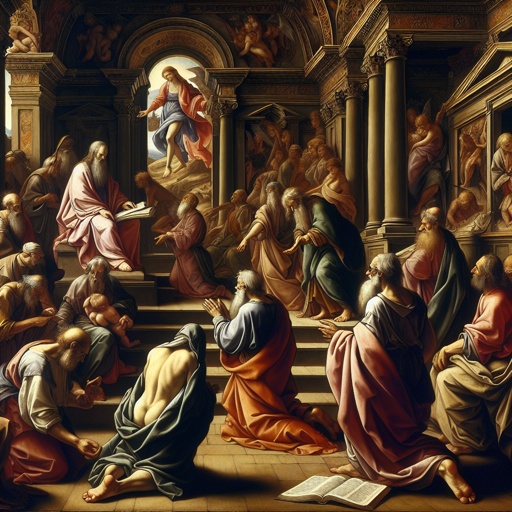
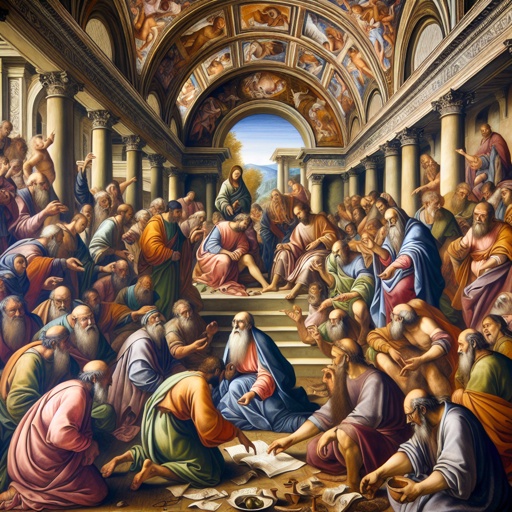
Artwork for Genesis 20:7

Genesis 20-7

Genesis 20:7 - "Now therefore restore the man his wife; for he is a prophet, and he shall pray for thee, and thou shalt live: and if thou restore her not, know thou that thou shalt surely die, thou, and all that are thine."

"Now therefore restore the man his wife; for he is a prophet, and he shall pray for thee, and thou shalt live: and if thou restore her not, know thou that thou shalt surely die, thou, and all that are thine." - Genesis 20:7

Genesis 7:20 - "Fifteen cubits upward did the waters prevail; and the mountains were covered."

"Fifteen cubits upward did the waters prevail; and the mountains were covered." - Genesis 7:20

Genesis 20

Genesis 20-18

Genesis 20-13

Genesis 20-16

Genesis 15:20

Genesis 20-4

Genesis 20-1

Genesis 20-15

Genesis 18-20

Genesis 19-20

Genesis 20-17
Genesis 20-3

Genesis 23-20

Genesis 20-19

Genesis 20-8

Genesis 28-20

Genesis 20-12

Genesis 20-10
Genesis 20-11

Genesis 22-20

Genesis 21-20

Genesis 20:9

Genesis 20-2

Genesis 20-14

Genesis 20-5