What does Genesis 21:26 mean?
“And Abimelech said, I wot not who hath done this thing: neither didst thou tell me, neither yet heard I of it, but to day.” — Genesis 21:26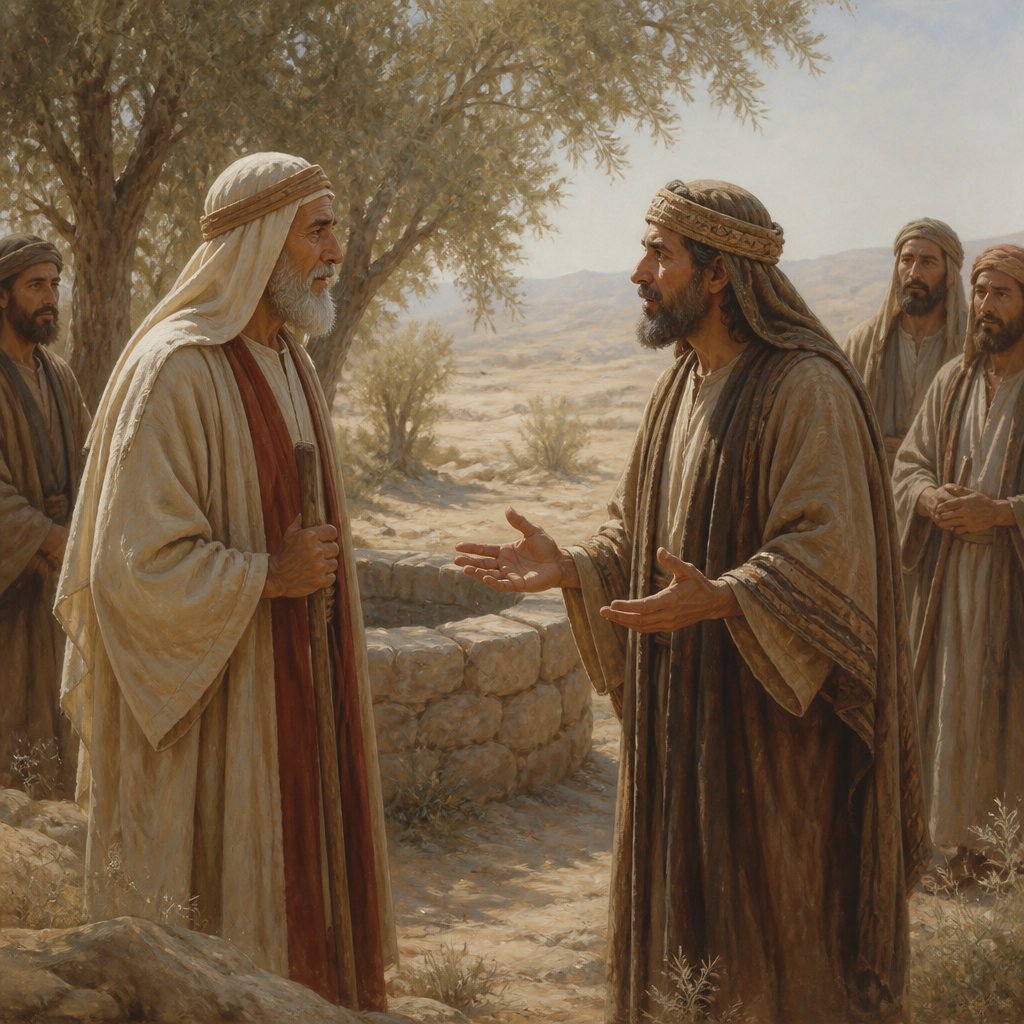
Genesis 21:26 (KJV) - "And Abimelech said, I wot not who hath done this thing; neither didst thou tell me, neither yet heard I of it, but to day."
This verse is from the Book of Genesis, which is the first book of the Bible. Genesis is a foundational text for many religious traditions, including Judaism, Christianity, and Islam. It is a book of beginnings, detailing the creation of the world, the origins of humanity, and the establishment of God's covenant with his people. Genesis 21 specifically focuses on the birth of Isaac, the son of Abraham and Sarah, and the subsequent conflicts and interactions with the people around them.
In Genesis 21:26, we find Abimelech, the king of Gerar, speaking to Abraham about a particular situation. To understand the significance of this verse, we must first examine the context in which it occurs. Earlier in the chapter, Sarah, Abraham's wife, has given birth to Isaac, fulfilling God's promise to make Abraham the father of many nations. However, tensions arise between Sarah and Hagar, the mother of Abraham's other son Ishmael. Sarah insists that Hagar and Ishmael be cast out of the household, and although Abraham is distressed by this, God reassures him that He will take care of Ishmael and make him the father of a great nation.
In the midst of this turmoil, Abimelech and his chief captain, Phichol, come to make a covenant with Abraham. They are concerned about the growing power and influence of Abraham and want to ensure peaceful relations between their two peoples. Before they begin the negotiations, Abimelech brings up a matter that is troubling him. He discovers that someone in Abraham's household has committed a wrongful act, and he is unaware of who is responsible or why it happened. This is the context in which Abimelech makes the statement in Genesis 21:26, expressing his lack of knowledge about the situation.
The themes present in this verse and the surrounding passage include the importance of honesty and accountability, the complexities of human relationships, and the role of divine intervention in human affairs. Abimelech's confusion and concern about the wrongdoing within Abraham's household prompt us to reflect on the nature of sin and its consequences. Additionally, the interaction between Abimelech and Abraham highlights the importance of maintaining peaceful relations and honest communication between different communities.
Symbolically, Abimelech's bewilderment can be seen as representative of the confusion and moral ambiguity that often characterizes human interactions. Furthermore, his admission of ignorance underscores the limitations of human understanding and the need for divine guidance. In this way, Abimelech's statement serves as a reminder of the profound moral and spiritual truths that underpin the narrative of Genesis.
It is also worth noting that Abimelech's acknowledgment of his lack of knowledge sets the stage for a resolution to the conflict. This points to the broader theme of reconciliation and forgiveness that is woven throughout the Bible. As the narrative progresses, Abimelech and Abraham ultimately come to a mutual understanding, and the chapter concludes with the establishment of a lasting covenant between their two peoples.
In conclusion, Genesis 21:26 is a verse that encapsulates the complexities of human relationships and the ever-present need for honesty, integrity, and reconciliation. It invites us to consider the moral and spiritual dimensions of our own actions and to seek guidance from the divine in navigating the intricacies of human interaction. This verse contributes to the rich tapestry of themes and motifs present in the Book of Genesis, offering timeless insights into the nature of God's covenant with humanity and the challenges and triumphs of living in community with others.
Get our apps


Artwork for Genesis 21:26

Genesis 21-26
Genesis 21:26 - "And Abimelech said, I wot not who hath done this thing: neither didst thou tell me, neither yet heard I of it, but to day."
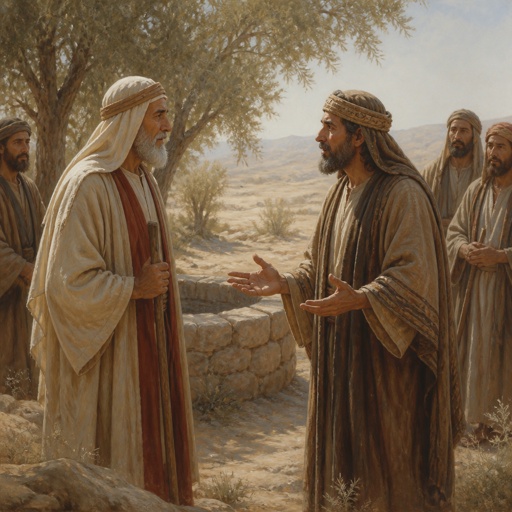
"And Abimelech said, I wot not who hath done this thing: neither didst thou tell me, neither yet heard I of it, but to day." - Genesis 21:26

Genesis 26:21 - "And they digged another well, and strove for that also: and he called the name of it Sitnah."
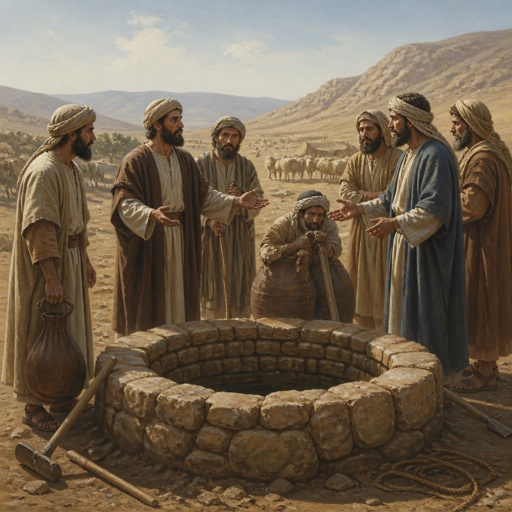
"And they digged another well, and strove for that also: and he called the name of it Sitnah." - Genesis 26:21

Genesis 1:26

Genesis 1:26

Genesis 1:26

Genesis 21-21

Genesis 1:26

Genesis 24-26

Genesis 26:35

Genesis 50:26

Genesis 26:25

Genesis 25-26

Genesis 50:26

Genesis 50:26

Genesis 26:29

Genesis 18-26

Genesis 19-26

Genesis 26:18

Genesis 50:26

Genesis 26:9

Genesis 17-26

Luke 6:21-26

Genesis 1:21

Luke 6:21-26

Genesis 1:21

Genesis 26 1 famine

Genesis 26:6 - "¶ And Isaac dwelt in Gerar:"