What does Genesis 22:22 mean?
“And Chesed, and Hazo, and Pildash, and Jidlaph, and Bethuel.” — Genesis 22:22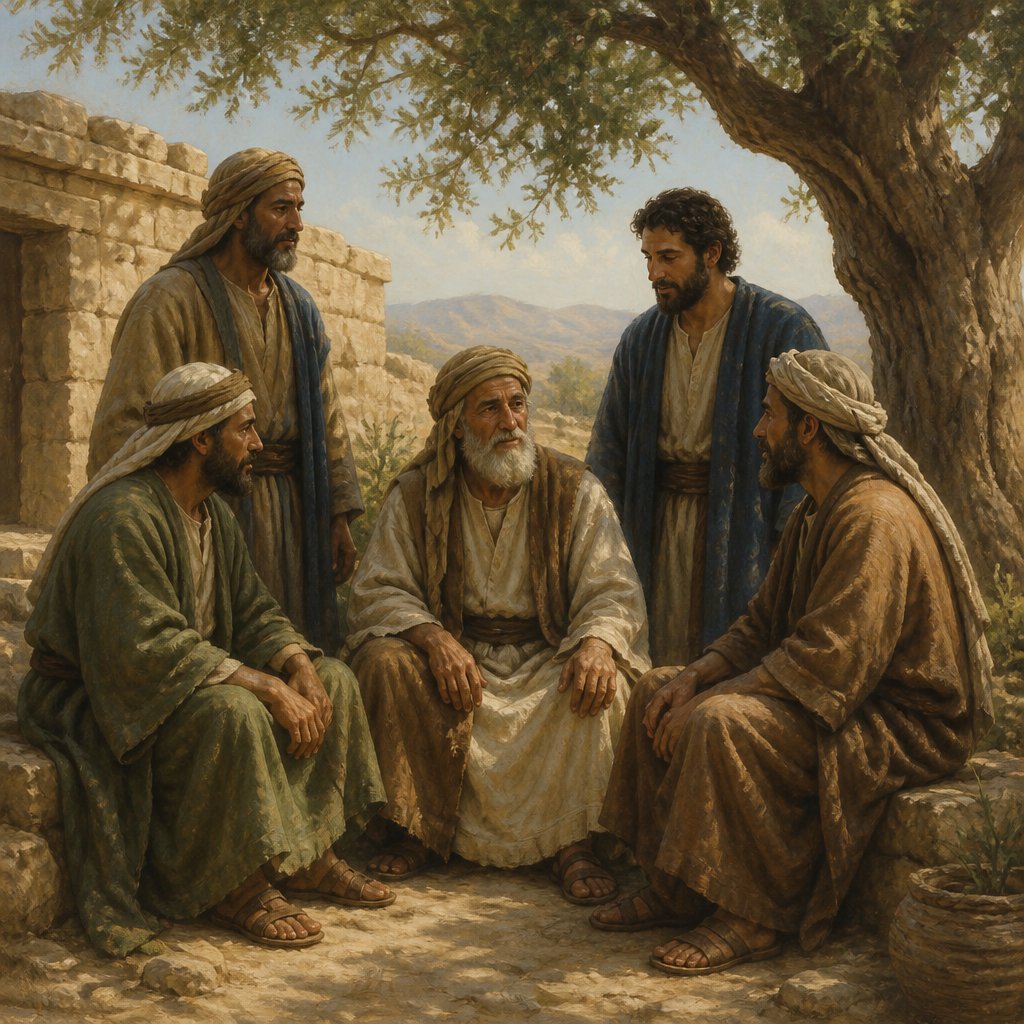
Genesis 22:22 (KJV) reads, "And it came to pass after these things, that it was told Abraham, saying, Behold, Milcah, she hath also born children unto thy brother Nahor." This verse appears in the larger context of Genesis 22, which recounts the story of Abraham's near-sacrifice of his son, Isaac, and the subsequent provision of a ram for the offering.
The story of Abraham's willingness to offer his son as a sacrifice is one of the most well-known and often-cited narratives in the Bible. It is a pivotal moment in the life of Abraham, who is considered the father of the nation of Israel and a foundational figure in the Abrahamic faith traditions. The story is often interpreted as a demonstration of Abraham's unwavering faith and obedience to God, as well as a foreshadowing of the ultimate sacrifice of Jesus Christ, God's own Son, for the redemption of humanity.
In this verse, we see a pivot from the intense and dramatic narrative of the near-sacrifice of Isaac to a seemingly mundane report that Milcah, Abraham's sister-in-law, has given birth to children. At first glance, this verse may appear to be relatively unimportant in the larger scope of the biblical narrative. However, the context and placement of this verse within the larger story of Abraham are significant and hold deeper meaning.
The mention of Milcah and her children serves as a reminder of the broader context of Abraham's life and family. It serves as a way to ground the narrative in the broader scope of human relationships and the passage of time. The birth of Milcah's children represents a continuation of life and the fulfillment of God's promises to Abraham's extended family, even as the central focus of the story remains on Abraham and his immediate family.
Furthermore, the mention of Milcah and her children connects this verse to the broader themes of lineage and genealogy that run throughout the book of Genesis and the Bible as a whole. The biblical narrative often places great importance on the concept of family and the passing down of blessings and promises from one generation to the next. The mention of Milcah's children serves as a reminder that God's covenantal promises extend beyond the immediate descendants of Abraham to encompass the larger family and community.
Symbolically, this verse can be seen as a reminder of God's faithfulness and provision. Even as Abraham faces the most difficult test of his faith, God is still at work in the lives of others, fulfilling promises and bringing new life into the world. It serves as a reminder that God's plans and blessings are not limited to a single individual or family, but extend to all who are part of His larger purpose and plan.
In addition, the mention of Milcah's children can be seen as a foreshadowing of the future fulfillment of God's promises to Abraham's descendants through the generations. The birth of children represents the continuation of life and the potential for future blessings and fulfillment of God's covenantal promises.
In conclusion, while Genesis 22:22 may appear to be a relatively minor and inconsequential verse, it serves as a meaningful and significant reminder of the broader context of God's faithfulness and provision. It connects the story of Abraham's faith and obedience to the larger themes of lineage, family, and God's ongoing work in the world. Ultimately, this verse serves as a powerful reminder of God's sovereignty and the continuation of His promises throughout the generations.
Get our apps


Artwork for Genesis 22:22

Genesis 22:22 - "And Chesed, and Hazo, and Pildash, and Jidlaph, and Bethuel."

Genesis 22-22
"And Chesed, and Hazo, and Pildash, and Jidlaph, and Bethuel." - Genesis 22:22

Genesis 22

Genesis 22:1

Genesis 22-20

Genesis 22:11

Genesis 22-18

Genesis 24-22

Genesis 22:10

Genesis 22-3

Genesis 22-2

Genesis 22-5

genesis 22:6

Genesis 25:22

Genesis 22-9

Genesis 22-24

Genesis 22:19

Genesis 22:6

Genesis 22-13

Genesis 22 14

Genesis 21:22

Genesis 18-22

Genesis 22-9

Genesis 22-8

Genesis 22:15

Genesis 22-12

Genesis 28-22

Genesis 22-10

Genesis 22-16