What does Genesis 23:12 mean?
“And Abraham bowed down himself before the people of the land.” — Genesis 23:12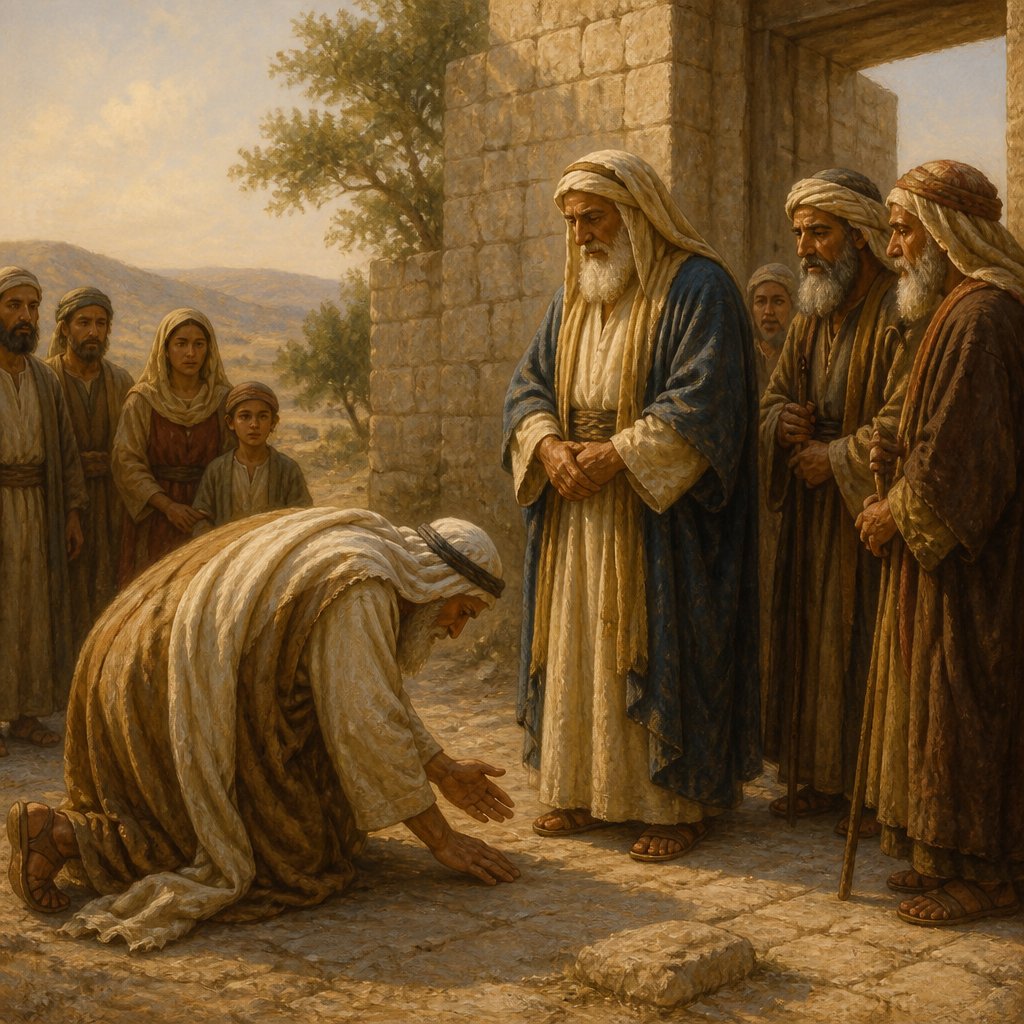
Genesis 23:12 (KJV) states, "And he communed with them, saying, If it be your mind that I should bury my dead out of my sight, hear me, and entreat for me to Ephron the son of Zohar,"
This verse is a part of the larger narrative in Genesis 23, which tells the story of Abraham's purchase of a burial plot for his beloved wife Sarah. The verse comes at a crucial moment in the story, as Abraham is negotiating with the Hittites for a suitable burial place for Sarah.
To understand the deeper meaning and context of this verse, it is important to consider the broader themes and symbolism present in the story. One of the primary themes in this passage is the importance of honoring the dead and respecting their memory. In ancient Near Eastern culture, proper burial was considered essential for the well-being of the deceased in the afterlife. By seeking a proper burial place for Sarah, Abraham demonstrates his deep love and respect for her, as well as his faith in God's promises of a future inheritance in the land of Canaan.
Additionally, the negotiation process depicted in this passage reveals important insights into the cultural practices and values of the time. In ancient Near Eastern societies, the purchase of land and the rituals surrounding burial were both highly significant and symbolic acts. The fact that Abraham is willing to pay a significant price for the burial plot indicates the seriousness with which he regards the matter and his desire to establish a permanent place of remembrance for Sarah.
The verse also highlights the importance of community and interpersonal relationships. Abraham's dialogue with the Hittites shows his willingness to engage in diplomatic and courteous discourse, even in the midst of negotiations. This demonstrates his respect for the local customs and his desire to maintain harmonious relationships with his neighbors.
Furthermore, the mention of Ephron the son of Zohar in the verse holds symbolic significance. In biblical literature, names often carry symbolic meanings and Ephron's name means "fawn-like," which may suggest a connection to the natural world and the cycles of life and death. This association with nature could further emphasize the significance of finding a suitable resting place for Sarah's remains, connecting her memory with the eternal rhythms of the natural world.
It's important to note that this verse is part of a larger narrative that highlights the faith and obedience of Abraham, as well as God's faithfulness in fulfilling His promises. Throughout the book of Genesis, Abraham's journey is marked by instances of testing and endurance, and this passage is no exception. By seeking a burial place for Sarah, Abraham is affirming his belief in God's covenant and his commitment to the future of his descendants in the land of Canaan.
In conclusion, Genesis 23:12 (KJV) offers profound insights into the themes of love, respect, community, and faith, as well as the cultural and symbolic significance of burial practices in ancient Near Eastern societies. The verse underscores the importance of honoring the memory of the deceased and the significance of rituals surrounding burial, while also highlighting the depth of Abraham's faith and his trust in God's promises. This passage serves as a powerful reminder of the enduring values and timeless truths found within the biblical narrative.
Get our apps


Artwork for Genesis 23:12

Genesis 23-12

Genesis 23:12 - "And Abraham bowed down himself before the people of the land."
"And Abraham bowed down himself before the people of the land." - Genesis 23:12

Genesis 1:2 3

Genesis 23-19

Genesis 23-13

Genesis 23:11

Genesis 23-17

Genesis 23-3

Genesis 23-9

Genesis 23-18

Genesis 23-5

Genesis 23:2

Genesis 23-4

Genesis 17-23

Genesis 23:1

Genesis 23-10

Genesis 23-16

Genesis 23-6

Genesis 23-8

Genesis 25-23

Genesis 22-23

Genesis 18-23

Genesis 19-23

Genesis 23-14
Genesis 21-23

Genesis 23-7

Genesis 24-23

Genesis 3:23

Genesis 23-20