What does Genesis 24:6 mean?
“And Abraham said unto him, Beware thou that thou bring not my son thither again.” — Genesis 24:6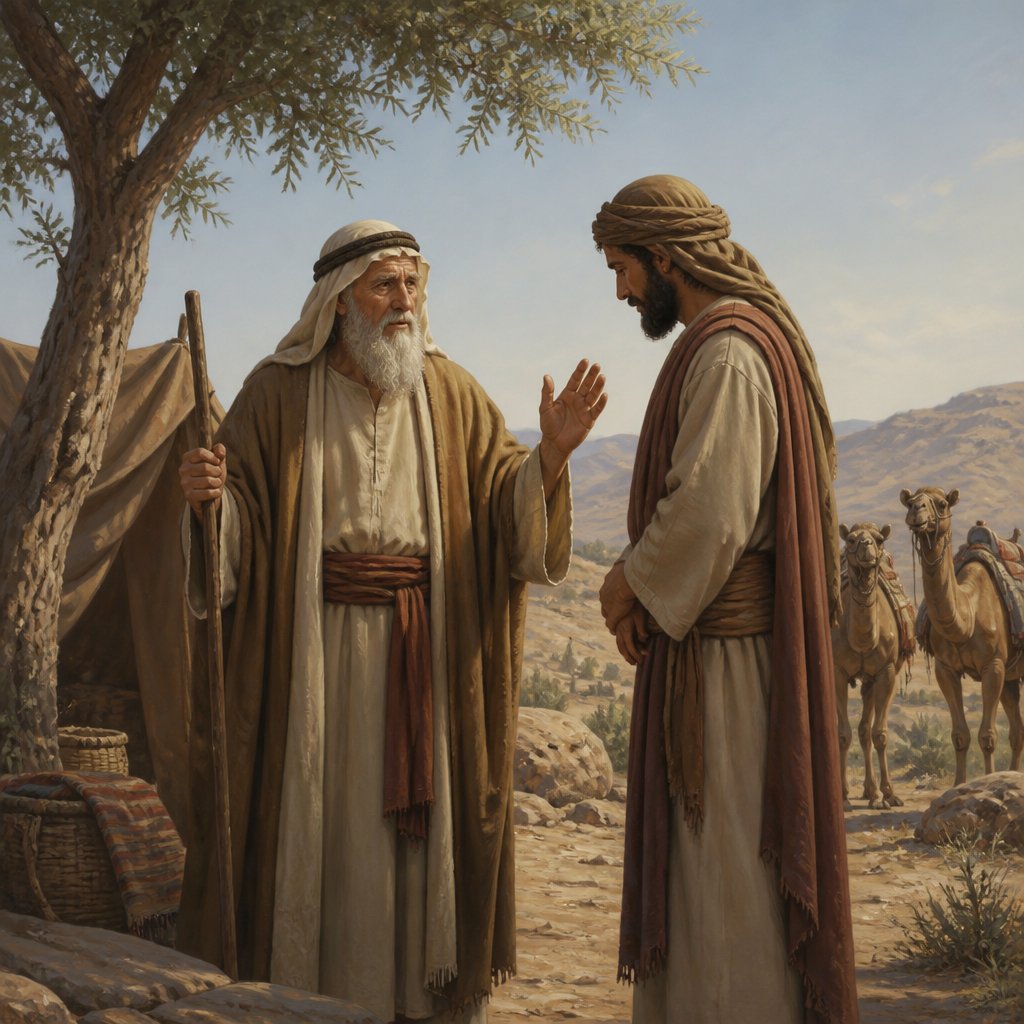
Genesis 24:6 (KJV) - "And Abraham said unto him, Beware thou, that thou bring not my son thither again."
In order to fully understand the meaning and significance of this verse, it's important to first examine the context and the events leading up to this point in the book of Genesis. Genesis 24 begins with Abraham, who is now well advanced in years, desiring to secure a wife for his son Isaac. Abraham sends his most trusted servant to find a suitable wife among his relatives, making the servant swear an oath that he will not take a wife from the Canaanites, but rather from his own country and kindred. This is the backdrop for the verse in question.
The verse itself is a command from Abraham to his servant, instructing him to be cautious and to not bring his son, Isaac, back to the land of Abraham's family. The verse signifies the importance of protecting the promise that God had made to Abraham, which was that the land of Canaan would be given to his descendants. It serves as a reminder that Isaac should not leave the promised land, which is significant given the uncertainty and danger of the journey to find Isaac a wife.
One of the key themes that can be drawn from this verse is the idea of faithfulness to God's promises. Abraham's command to his servant reflects his unwavering faith in God's promise to give the land of Canaan to his descendants. This theme of faithfulness to God's promises is a recurring motif throughout the book of Genesis, as God's covenant with Abraham and his descendants plays a central role in the narrative. The verse underscores the importance of staying true to God's promises and not faltering in the face of uncertainty or difficulty.
Another theme that can be observed in this verse is the idea of obedience and trust in God's providence. Abraham's command to his servant is an expression of his trust in God's plan for Isaac's future. By instructing his servant to not bring Isaac back to the land of his family, Abraham is demonstrating his faith that God will provide a suitable wife for Isaac without having to leave the promised land. This theme of obedience and trust in God's providence is a fundamental aspect of Abraham's character throughout the biblical narrative, and it serves as a model for believers to follow in their own lives.
Symbolism can also be found in this verse, particularly in the significance of the promised land. The land of Canaan represents the fulfillment of God's promises to Abraham and his descendants, and it serves as a physical and spiritual inheritance for the people of God. The command to not bring Isaac back to the land of Abraham's family symbolizes the necessity of remaining faithful to God's promises and not allowing worldly influences to distract from his divine plan. The land of Canaan becomes a symbol of the assurance of God's faithfulness and provision, and the verse emphasizes the importance of staying rooted in that promise.
In conclusion, Genesis 24:6 conveys a powerful message about faithfulness to God's promises, obedience and trust in his providence, and the symbolism of the promised land as a tangible representation of God's faithfulness. The verse serves as a reminder for believers to remain steadfast in their faith and to trust in God's plan, even in the face of uncertainty and difficulty. It also reflects the ongoing themes of obedience and faith that run throughout the book of Genesis, providing valuable insights for readers seeking to deepen their understanding of the biblical narrative.
Get our apps


Artwork for Genesis 24:6

Genesis 24-6

Genesis 24:6 - "And Abraham said unto him, Beware thou that thou bring not my son thither again."
"And Abraham said unto him, Beware thou that thou bring not my son thither again." - Genesis 24:6

Genesis 24:24

Genesis 24-21

Genesis 25-24

Genesis 24-41

Genesis 24-61

Genesis 24:36

Genesis 24-54

Genesis 24-50

Genesis 24:60

Genesis 24-62

Genesis 24-7

Genesis 24-26

Genesis 24-55

Genesis 24-59

Genesis 24-56

Genesis 3:24

Genesis 24-53

Genesis 24-63

Genesis 24-66

Genesis 21-24

Genesis 24-15

Genesis 24-48

Genesis 24-43

Genesis 24-16

Genesis 24-3

Genesis 19:24

Genesis 24-17