What does Genesis 24:67 mean?
“And Isaac brought her into his mother Sarah’s tent, and took Rebekah, and she became his wife; and he loved her: and Isaac was comforted after his mother’s death.” — Genesis 24:67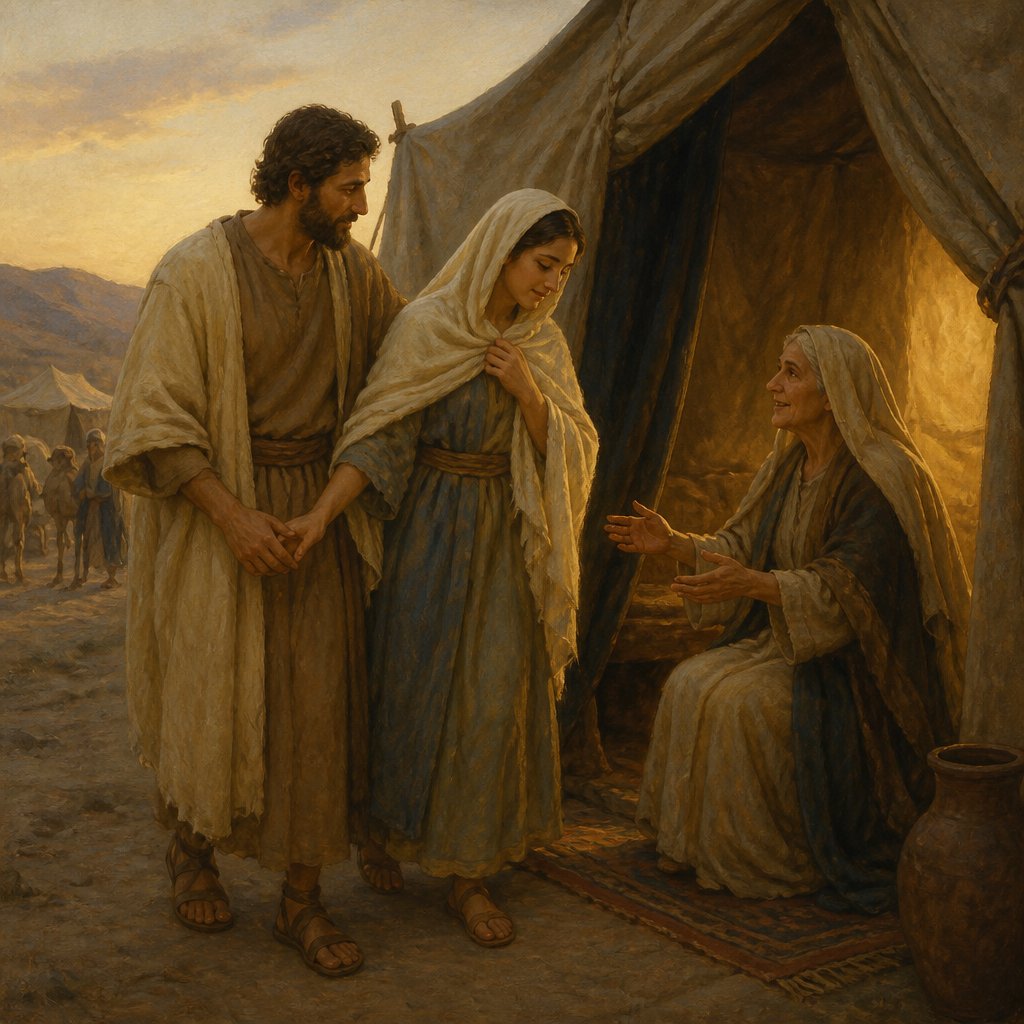
Genesis 24:67 (KJV): "And Isaac brought her into his mother Sarah's tent, and took Rebekah, and she became his wife; and he loved her: and Isaac was comforted after his mother's death."
Genesis 24:67 is a significant verse in the biblical narrative of Isaac and Rebekah. This verse represents the union of Isaac and Rebekah, the fulfillment of God's plan, and the beginning of a new chapter in the lineage of Abraham. Let's explore the deeper meaning and commentary of this verse by examining the themes, context, and symbolism within it.
Themes:
1. Divine Providence: One of the prominent themes in Genesis 24:67 is the concept of divine providence. The entire chapter 24 recounts the account of Abraham's servant seeking a wife for Isaac. God's providential guidance is evident throughout the narrative as the servant is led by God to Rebekah. The verse emphasizes that Isaac's marriage to Rebekah was part of God's plan, and the success of the mission was seen as a result of God's guidance.
2. Love and Marriage: The verse also highlights the themes of love and marriage. It portrays the love that Isaac had for Rebekah, which serves as a model for the sanctity of marriage. This verse indicates that their marriage was founded not only on obligation or duty, but also on genuine affection and love. This love not only brought comfort to Isaac but also signifies the covenantal bond that marriage represents.
3. Comfort and Healing: After the death of his mother, Sarah, Isaac found consolation in Rebekah. This theme of comfort and healing is significant as it demonstrates the role of marriage as a source of emotional support and comfort during times of grief. Isaac's love for Rebekah brought him solace and helped him to move forward from the loss of his mother.
Context:
The context of Genesis 24:67 is within the larger narrative of the patriarchs, particularly the story of Isaac and Rebekah. It follows the account of Abraham sending his servant to find a wife for Isaac from among his relatives. The servant, guided by God, meets Rebekah at the well and brings her back to Isaac. This verse represents the culmination of the servant's mission and the beginning of Isaac and Rebekah's life together as husband and wife. It also serves as a transition from the older generation to the new, as Isaac takes on the role of head of the family following the death of his mother.
Symbolism:
The tent of Sarah: The mention of Isaac bringing Rebekah into his mother Sarah's tent holds symbolic significance. In ancient Near Eastern culture, a tent was a symbol of home, family, and legacy. By bringing Rebekah into his mother's tent, Isaac was symbolically acknowledging her as the new matriarch and wife, thereby continuing the lineage of his mother and father. This act also emphasized the continuity and stability of the family line.
Rebekah as the Comforter: Rebekah's role as the comforter to Isaac after the death of his mother can be seen as symbolic of the role of spouses in providing emotional support and healing in times of grief and loss. The verse highlights the importance of companionship and love within marriage, as well as the significance of finding solace in one's partner during difficult times.
In conclusion, Genesis 24:67 holds deep meaning within the larger biblical narrative. It reflects themes of divine providence, love and marriage, and the role of companionship in providing comfort and healing. The verse also carries symbolic significance, particularly in the representation of Isaac and Rebekah's union as the continuation of the family lineage. Overall, Genesis 24:67 is not only a significant moment in the story of Isaac and Rebekah but also a reflection of timeless truths about the sanctity of marriage and the providential guidance of God.
Get our apps


Artwork for Genesis 24:67

Genesis 24-67

Genesis 24:67 - "And Isaac brought her into his mother Sarah's tent, and took Rebekah, and she became his wife; and he loved her: and Isaac was comforted after his mother's death."
"And Isaac brought her into his mother Sarah's tent, and took Rebekah, and she became his wife; and he loved her: and Isaac was comforted after his mother's death." - Genesis 24:67

Genesis 24:24

Genesis 24-26

Genesis 24-21

Genesis 24-7

Genesis 24-55

Genesis 3:24

Genesis 24-59

Genesis 24:60

Genesis 24-50

Genesis 24-54

Genesis 24:36

Genesis 24-61

Genesis 24-41

Genesis 25-24

Genesis 24-62

Genesis 24-56

Genesis 24-53

Genesis 24-63

Genesis 24-15

Genesis 24-66

Genesis 24-48

Genesis 24-43

Genesis 21-24

Genesis 19:24

Genesis 24:28

Genesis 24-17

Genesis 24-16