What does Genesis 25:2 mean?
“And she bare him Zimran, and Jokshan, and Medan, and Midian, and Ishbak, and Shuah.” — Genesis 25:2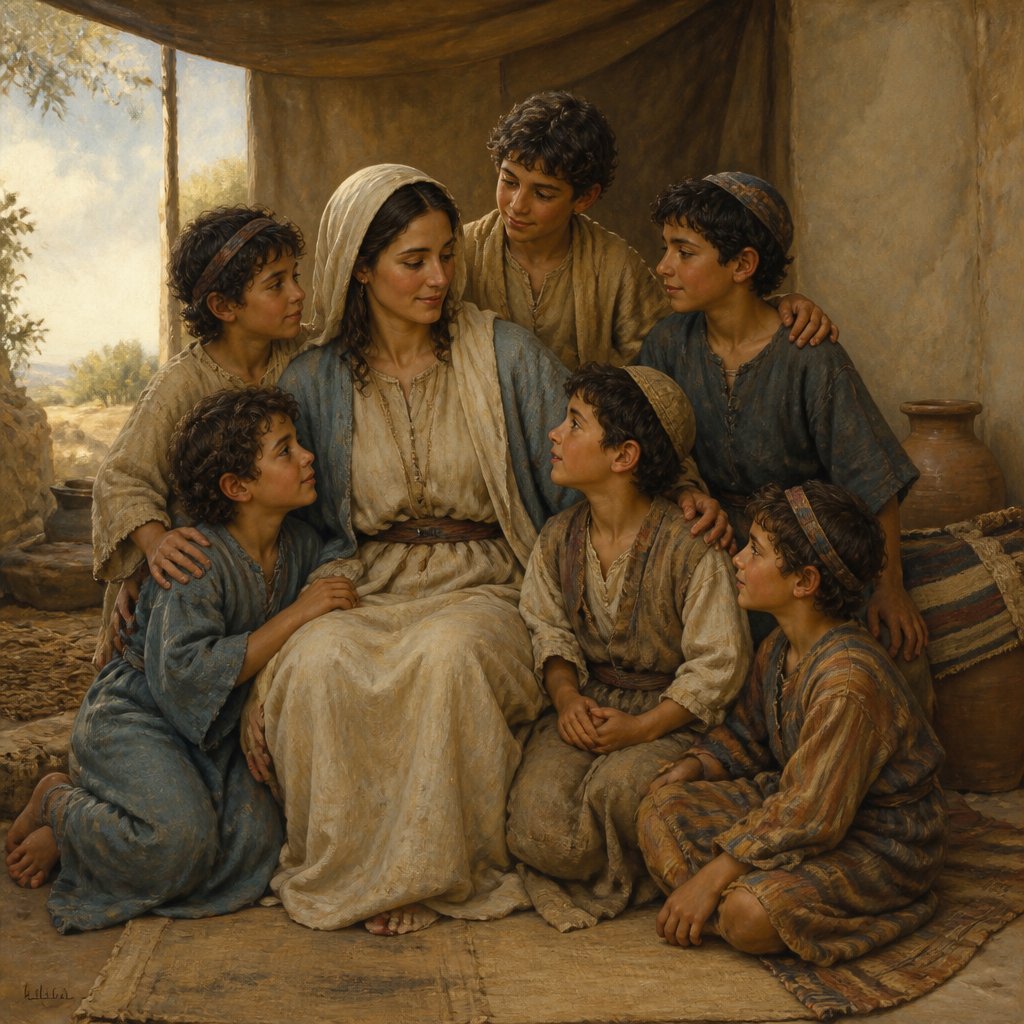
Genesis 25:2 (KJV) states:
"And she bare him Zimran, and Jokshan, and Medan, and Midian, and Ishbak, and Shuah."
This verse is a seemingly simple statement in the book of Genesis, but it carries significant meaning within the larger context of the biblical narrative. To fully understand the depth and significance of this verse, it is important to examine it within the broader context of the book of Genesis and the themes of family, lineage, and the promises of God.
Genesis is the first book of the Bible and serves as the foundation for understanding the rest of the biblical narrative. It begins with the creation of the world and the first humans, Adam and Eve. As the narrative unfolds, Genesis introduces us to the story of Abraham, who is considered the patriarch of the Israelite nation and is a key figure in the history of God's chosen people. Genesis 25 is part of the larger story of Abraham and his descendants, and it is within this context that we encounter the verse in question.
The verse specifically mentions the children born to Abraham and his concubine Keturah. It lists the names of their sons: Zimran, Jokshan, Medan, Midian, Ishbak, and Shuah. From a historical perspective, the names of these individuals are significant as they represent a part of the genealogy of the Israelite nation. The inclusion of this list of names serves to establish the lineage of Abraham's descendants and provides a framework for understanding the broader narrative of God's covenant with the Israelites.
One of the central themes of the book of Genesis is the fulfillment of God's promises to Abraham. In Genesis 12, God makes a covenant with Abraham, promising to make him the father of a great nation and to bless all the families of the earth through his offspring. This promise is reiterated throughout the book, and the birth and lineage of Abraham's children are crucial to the fulfillment of this covenant. The mention of Keturah's children in Genesis 25:2 is thus part of the unfolding of God's covenant promises to Abraham and the establishment of his lineage.
Moreover, the names of Keturah's sons hold symbolic significance within the biblical narrative. In the Bible, names often carry meaning and symbolize the character or destiny of the individual. For example, the name "Midian" means "strife" or "contention," which foreshadows the role of the Midianites in the later history of the Israelites. Similarly, the names of the other sons may hold symbolic or prophetic significance that contributes to the overall narrative of the Bible.
Additionally, the mention of Keturah's children highlights the theme of family and lineage in the book of Genesis. Throughout the narrative, the importance of heritage and ancestry is emphasized, as it shapes the identity and destiny of the descendants of Abraham. The genealogical record provided in Genesis 25:2 serves to establish the continuity of the family line and to connect the past with the future, demonstrating the faithfulness of God in fulfilling his promises to Abraham and his descendants.
In conclusion, Genesis 25:2 may appear to be a simple list of names, but within the broader context of the biblical narrative, it holds deep significance. It contributes to the unfolding of God's covenant promises to Abraham, emphasizes the importance of lineage and ancestry, and may hold symbolic meaning in the names of Keturah's sons. Ultimately, this verse serves as a reminder of the faithfulness of God in fulfilling his promises and the profound impact of family and ancestry in shaping the history of the Israelite nation.
Get our apps


Artwork for Genesis 25:2

Genesis 25-2

Genesis 25:2 - "And she bare him Zimran, and Jokshan, and Medan, and Midian, and Ishbak, and Shuah."
"And she bare him Zimran, and Jokshan, and Medan, and Midian, and Ishbak, and Shuah." - Genesis 25:2

Genesis 2:25

Genesis 2:25 - "And they were both naked, the man and his wife, and were not ashamed."

Genesis 25:25
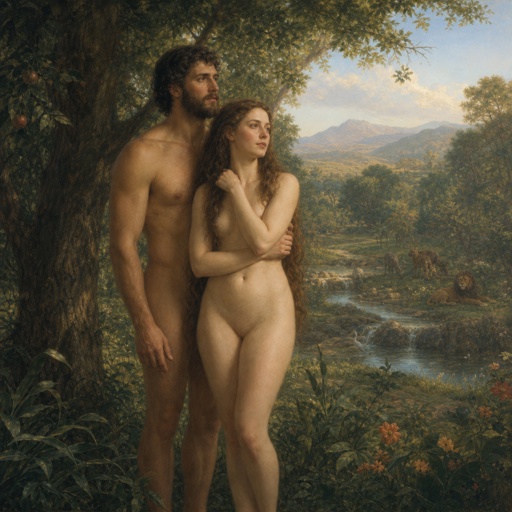
"And they were both naked, the man and his wife, and were not ashamed." - Genesis 2:25

Genesis 1:1-25

Genesis 1:1-25

Genesis 1:1-25

Genesis 25-18

Genesis 25-24

Genesis 25-7

Genesis 25-23

Genesis 25-14

Genesis 26:25

Genesis 50:25

Genesis 25:1

Genesis 21:25

Genesis 25-15

Genesis 25-26

Genesis 25-13

Genesis 50:25

Genesis 25-32

Genesis 25-6

Genesis 18-25

Genesis 25-16

Genesis 18:25

Genesis 25-8

Genesis 25-10