What does Genesis 26:10 mean?
“And Abimelech said, What is this thou hast done unto us? one of the people might lightly have lien with thy wife, and thou shouldest have brought guiltiness upon us.” — Genesis 26:10
Genesis 26:10 (KJV) states, "And Abimelech said, What is this thou hast done unto us? one of the people might lightly have lien with thy wife, and thou shouldest have brought guiltiness upon us." This verse is part of the story of Isaac, the son of Abraham, and his interactions with King Abimelech. This passage holds deep meaning and offers valuable insights into themes of trust, obedience, and the protection of God's chosen people.
The context of this verse is crucial to understanding its significance. Isaac, like his father Abraham, faced a severe famine in the land of Gerar and was instructed by God to not go down to Egypt but to stay in the land that God would show him. In obedience to God's command, Isaac remained in Gerar, where he encountered King Abimelech. Fearing for his safety, Isaac lied about his relationship with his wife, Rebekah, claiming that she was his sister. However, Abimelech soon discovered the truth, and he questioned Isaac about his deceit, expressing his concern that one of his people might have slept with Rebekah, thereby bringing guilt upon them.
One of the key themes in this verse is the importance of trust and honesty. Both Isaac and Abimelech displayed a lack of trust in each other, leading to a breakdown in their relationship. Isaac's deception not only put his own life at risk but also jeopardized the safety and reputation of the people of Gerar. Abimelech's questioning of Isaac's actions reveals his concern for the well-being of his kingdom and the potential consequences of Isaac's deceit. This theme serves as a timeless lesson about the destructive nature of dishonesty and the need for trust and integrity in all relationships.
Another significant theme in this verse is the protection of God's chosen people. Despite Isaac's lack of trust in God's ability to protect him, God remained faithful to His promise. Throughout the entire ordeal, God watched over Isaac and Rebekah, preventing any harm from coming to them. This demonstrates the unwavering protection and providence that God offers to His chosen people, even in the face of their shortcomings and lack of faith.
The symbolism in this verse is also worth noting. Isaac's deception mirrors the lack of faith and trust in God's provision, while Abimelech's concern reflects the consequences of human deceit and the importance of upholding moral and ethical values. Furthermore, Rebekah's role as Isaac's wife signifies the importance of unity and honesty within the marital relationship, highlighting the significance of open communication and trust between spouses.
In conclusion, Genesis 26:10 (KJV) offers profound insights into themes of trust, obedience, and the protection of God's chosen people. The context of the verse, along with its deeper meanings and symbolism, provide valuable lessons for readers about the consequences of dishonesty, the importance of faith and trust in God, and the unwavering protection offered to His chosen people. This verse serves as a timeless reminder of the significance of integrity, honesty, and the faithfulness of God in all circumstances.
Get our apps


Artwork for Genesis 26:10

Genesis 26:10 - "And Abimelech said, What is this thou hast done unto us? one of the people might lightly have lien with thy wife, and thou shouldest have brought guiltiness upon us."
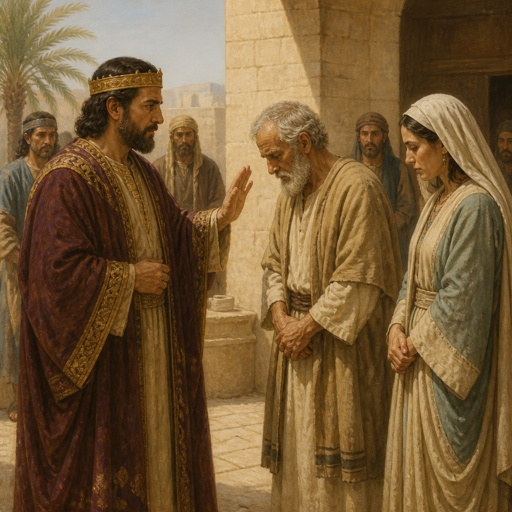
"And Abimelech said, What is this thou hast done unto us? one of the people might lightly have lien with thy wife, and thou shouldest have brought guiltiness upon us." - Genesis 26:10

Genesis 10:26 - "And Joktan begat Almodad, and Sheleph, and Hazarmaveth, and Jerah,"

"And Joktan begat Almodad, and Sheleph, and Hazarmaveth, and Jerah," - Genesis 10:26

Genesis 1:26

Genesis 1:26

Genesis 1:26

Genesis 1:26

Genesis 24-26

Genesis 26:35

Genesis 50:26

Genesis 26:25

Genesis 21-26

Genesis 25-26

Genesis 50:26

Genesis 19-26

Genesis 26:29

Genesis 50:26

Genesis 18-26

Genesis 26:18

Genesis 50:26

Genesis 26:9

Genesis 17-26

Genesis 26 1 famine

Genesis 26:6 - "¶ And Isaac dwelt in Gerar:"

genesis 26:1-35

Genesis 26:26 - "¶ Then Abimelech went to him from Gerar, and Ahuzzath one of his friends, and Phichol the chief captain of his army."

Genesis 42:26 - "And they laded their asses with the corn, and departed thence."

Genesis 36:26 - "And these are the children of Dishon; Hemdan, and Eshban, and Ithran, and Cheran."

Genesis 26:23 - "And he went up from thence to Beer-sheba."