What does Genesis 26:4 mean?
“And I will make thy seed to multiply as the stars of heaven, and will give unto thy seed all these countries; and in thy seed shall all the nations of the earth be blessed;” — Genesis 26:4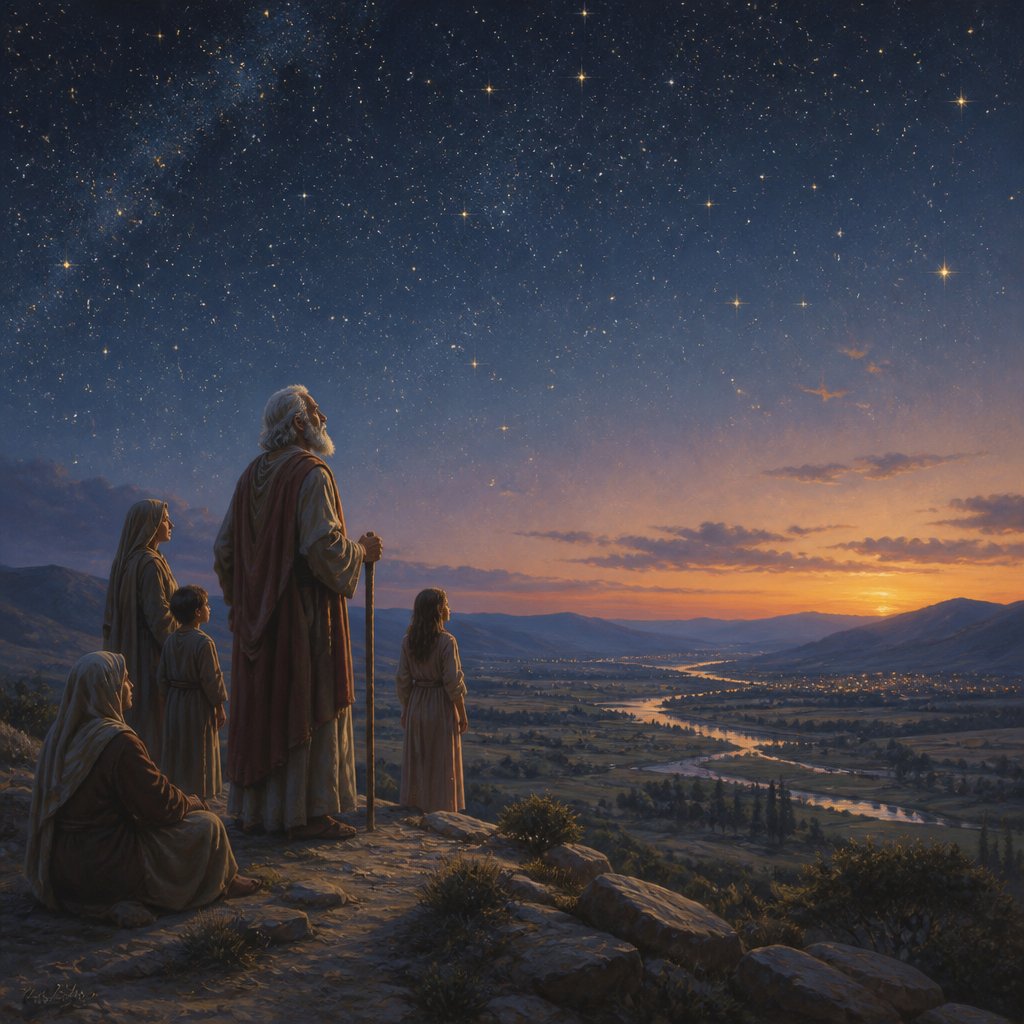
Genesis 26:4 (KJV) states, "And I will make thy seed to multiply as the stars of heaven, and will give unto thy seed all these countries; and in thy seed shall all the nations of the earth be blessed."
This verse is part of a promise made by God to Isaac, the son of Abraham, as he faced adversity and uncertainty. The promise echoes the covenant that God made with Abraham, Isaac's father. In this verse, God assures Isaac that his descendants will be numerous, they will inherit the land, and they will bring blessings to all the nations of the earth.
One of the key themes in this verse is the faithfulness of God. Throughout the Bible, God makes and fulfills promises to his people. In this instance, God reassures Isaac of his faithfulness by affirming the covenant that he made with Abraham. Despite the challenges that Isaac was facing, God's promise serves as a source of hope and encouragement. This theme of God's faithfulness is not only relevant to the context of the verse, but it continues to be a central theme throughout the entire Bible.
Another important theme in this verse is the idea of inheritance. God promises Isaac that his descendants will inherit the land. This echoes the promise made to Abraham in Genesis 15:18, where God promises him the land of Canaan. In the biblical context, the concept of inheritance is not just about land ownership, but it also carries spiritual significance. The land represents not only a physical dwelling place but also a promise of God's presence and provision for his people.
Furthermore, the fulfillment of this promise points to the future blessing of all nations through the seed of Isaac. This foreshadows the coming of Jesus Christ, who is ultimately the fulfillment of this promise. Galatians 3:16 confirms this, stating, "Now to Abraham and his seed were the promises made. He saith not, And to seeds, as of many; but as of one, And to thy seed, which is Christ." This verse highlights the importance of Jesus as the ultimate seed through whom all the nations of the earth are blessed.
The symbolism in this verse is rich and multi-faceted. The comparison of Isaac's descendants to the stars of heaven is a powerful image of abundance and vastness. The stars are often used in the Bible to represent God's promises and the fulfillment of those promises. Just as the stars are countless and awe-inspiring, so too will be the descendants of Isaac. Additionally, the mention of blessing all nations through Isaac's seed points to the redemptive work of Jesus Christ, who brings salvation to people from all nations.
In conclusion, Genesis 26:4 (KJV) is a significant verse that highlights the faithfulness of God, the promise of inheritance, and the future blessing of all nations through the seed of Isaac. This verse not only holds relevance within its immediate context, but it also points to the broader biblical narrative of God's redemptive plan for humanity. The imagery and symbolism in this verse convey the magnitude and significance of God's promises, emphasizing the hope and blessings that come from a relationship with him.
Get our apps


Artwork for Genesis 26:4

Genesis 26:4 - "And I will make thy seed to multiply as the stars of heaven, and will give unto thy seed all these countries; and in thy seed shall all the nations of the earth be blessed;"
"And I will make thy seed to multiply as the stars of heaven, and will give unto thy seed all these countries; and in thy seed shall all the nations of the earth be blessed;" - Genesis 26:4

Genesis 4:26 - "And to Seth, to him also there was born a son; and he called his name Enos: then began men to call upon the name of the LORD."

Genesis 1:26

Genesis 1:26

Genesis 1:26

Genesis 1:26

Genesis 24-26

Genesis 26:35

Genesis 50:26

Genesis 26:25

Genesis 25-26

Genesis 21-26

Genesis 50:26

Genesis 50:26

Genesis 26:29

Genesis 18-26

Genesis 19-26

Genesis 26:18

Genesis 50:26

Genesis 26:9

Genesis 17-26

Genesis 26 1 famine

Genesis 26:6 - "¶ And Isaac dwelt in Gerar:"

genesis 26:1-35

Genesis 26:26 - "¶ Then Abimelech went to him from Gerar, and Ahuzzath one of his friends, and Phichol the chief captain of his army."

Genesis 42:26 - "And they laded their asses with the corn, and departed thence."

Genesis 36:26 - "And these are the children of Dishon; Hemdan, and Eshban, and Ithran, and Cheran."

Genesis 10:26 - "And Joktan begat Almodad, and Sheleph, and Hazarmaveth, and Jerah,"

Genesis 26:23 - "And he went up from thence to Beer-sheba."