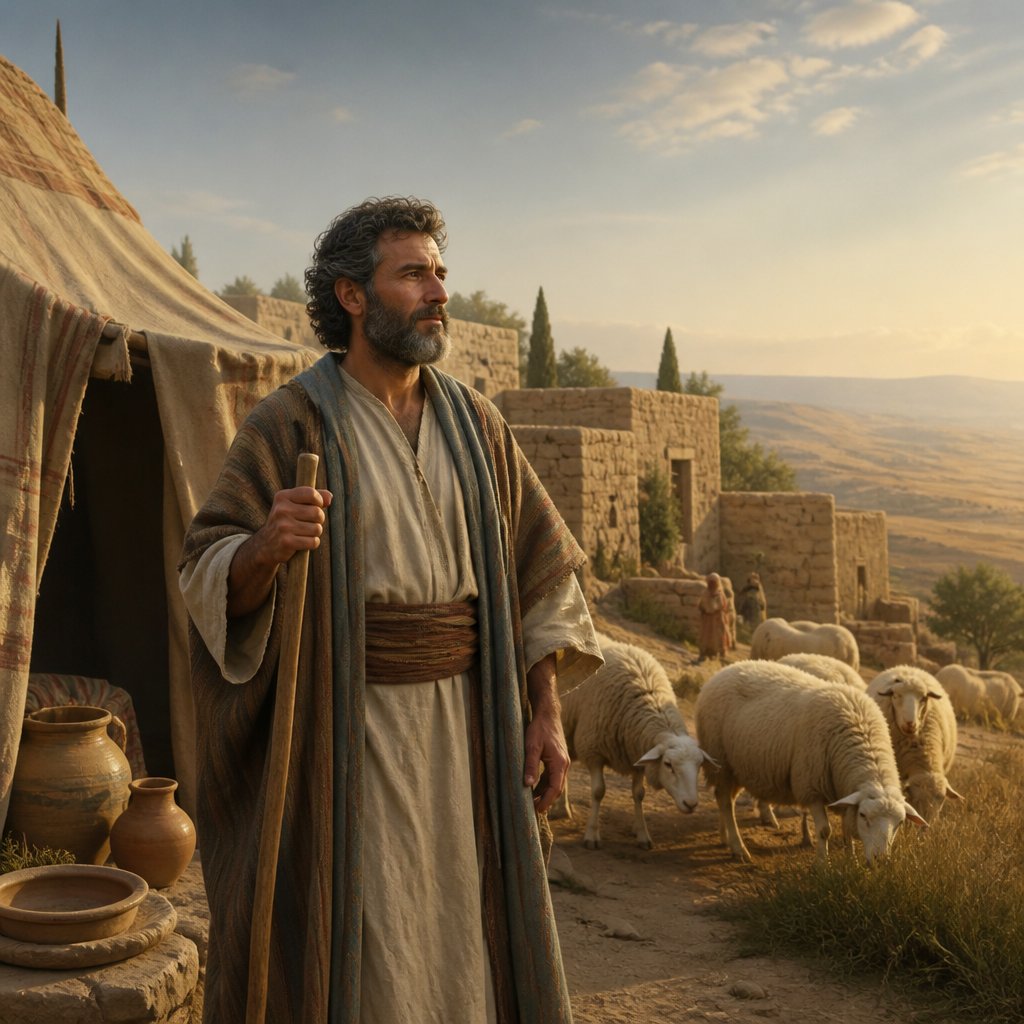
Genesis 26:6 (KJV) says: "And Isaac dwelt in Gerar".
The book of Genesis is the first book of the Bible and is highly significant in its content. It is the foundation upon which the rest of the Bible is built and lays the groundwork for the Christian faith. The verse Genesis 26:6 is a small segment in the larger story of Isaac, the son of Abraham, and his time in the land of Gerar.
In order to fully appreciate the meaning and commentary of this verse, it is important to understand its context within the broader narrative. The events leading up to Genesis 26:6 involve a famine in the land of Canaan, where Isaac and his family lived. In response to the famine, Isaac, following the example of his father Abraham, went to the land of Gerar, in the land of the Philistines.
While in Gerar, Isaac encountered a king named Abimelech. Like his father Abraham, Isaac was afraid that the people of Gerar would kill him in order to take his wife Rebekah, who was very beautiful. Isaac deceived the people of Gerar by saying that Rebekah was his sister, not his wife. This deception was similar to the one his father had told on two separate occasions about his own wife, Sarah, to Pharaoh and again to a king in Gerar (Genesis 12:10-20, 20:1-18).
Despite his deception, Isaac indeed "dwelt" in Gerar, which means that he stayed there. This decision to remain in Gerar was a bold step, as he had no assurance of his own safety or that of his household. Yet, Isaac chose to trust in the Lord to protect him and his family.
The life of Isaac in Gerar illustrates the idea of dwelling or staying in a place, even amidst the uncertainties and adversities of that place. It is a powerful demonstration of faith and trust in God's provision and protection, even in the face of potential dangers and challenges.
The themes in this verse include faith, trust, and obedience to God's guidance. Isaac's decision to dwell in Gerar is a reminder that even in unfamiliar and potentially dangerous situations, God is present and can be relied upon to provide and protect. It speaks to the importance of trusting in God's faithfulness and sovereignty, even when circumstances seem uncertain or precarious. It also highlights the idea of obedience to God's call, as Isaac chose to remain in Gerar despite the potential risks.
The context of this verse also presents a deeper reflection on human nature and the propensity to deceive and manipulate in order to protect oneself. It serves as a cautionary tale about the consequences of dishonesty and the importance of integrity in all dealings.
Furthermore, the symbolism in this verse is significant. Gerar is a place of unfamiliarity and potential danger, a symbolic representation of the trials and challenges that believers may face in their own lives. Isaac's decision to dwell in Gerar represents the believer's choice to place their trust in God and remain steadfast in their faith, even when surrounded by uncertainty and potential harm.
In conclusion, Genesis 26:6 is a verse that illuminates the themes of faith, trust, and obedience, while also serving as a cautionary reflection on the consequences of deceit. It holds symbolic significance as a representation of the believer's choice to trust in God and remain steadfast in their faith amidst the trials and challenges of life. As such, it serves as a reminder of the unwavering faithfulness and protection of God, even in the midst of uncertainty.
Get our apps


Artwork for Genesis 26:6

Genesis 26:6 - "¶ And Isaac dwelt in Gerar:"
"¶ And Isaac dwelt in Gerar:" - Genesis 26:6

Genesis 1:26

Genesis 1:26

Genesis 1:26

Genesis 1:26

Genesis 24-26

Genesis 26:35

Genesis 50:26

Genesis 26:25

Genesis 25-26

Genesis 21-26

Genesis 50:26

Genesis 50:26

Genesis 26:29

Genesis 18-26

Genesis 19-26

Genesis 26:18

Genesis 50:26

Genesis 26:9

Genesis 17-26

Genesis 26 1 famine

genesis 26:1-35

Genesis 26:26 - "¶ Then Abimelech went to him from Gerar, and Ahuzzath one of his friends, and Phichol the chief captain of his army."

Genesis 42:26 - "And they laded their asses with the corn, and departed thence."

Genesis 36:26 - "And these are the children of Dishon; Hemdan, and Eshban, and Ithran, and Cheran."

Genesis 10:26 - "And Joktan begat Almodad, and Sheleph, and Hazarmaveth, and Jerah,"

Genesis 26:23 - "And he went up from thence to Beer-sheba."

Genesis 24:26 - "And the man bowed down his head, and worshipped the LORD."

Genesis 26:30 - "And he made them a feast, and they did eat and drink."