What does Genesis 26:30 mean?
“And he made them a feast, and they did eat and drink.” — Genesis 26:30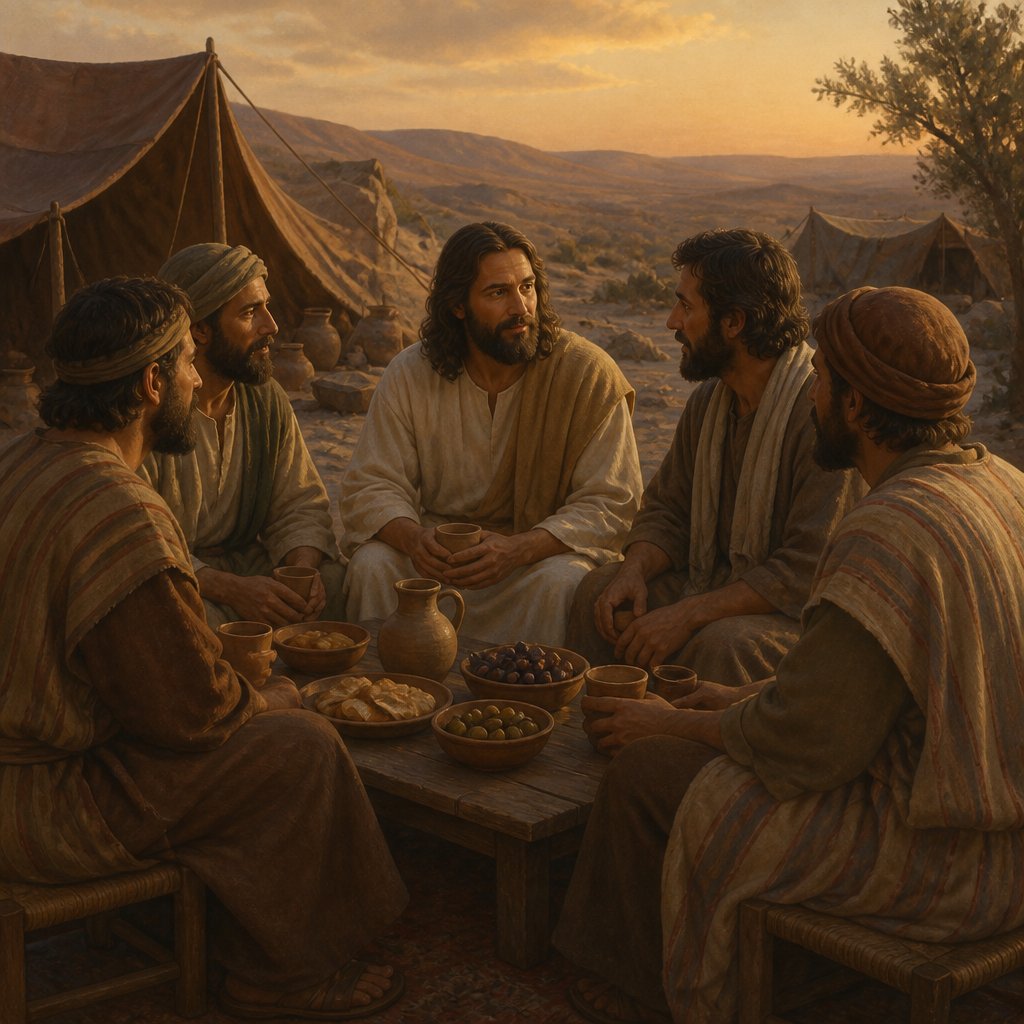
Genesis 26:30 (KJV) reads, "And he made them a feast, and they did eat and drink." This verse comes from the story of Isaac in the book of Genesis, and it describes Isaac's interaction with Abimelech, the king of the Philistines, and his men. In this particular verse, Isaac is seen making a feast for Abimelech and his men, and they ate and drank together. But beyond this simple description lies a deeper meaning and commentary that sheds light on important themes, context, and symbolism in the Bible.
One of the themes present in this verse is the theme of hospitality. In the ancient near eastern culture, hospitality was a significant value, and it was considered a sign of honor and respect to host visitors and provide them with a feast. In this context, Isaac's act of making a feast for Abimelech and his men reflects his desire to show hospitality and maintain good relations with his neighbors. This theme of hospitality is notable throughout the Bible, with numerous stories emphasizing the importance of welcoming and caring for others, as exemplified by Abraham's hospitality towards the three strangers in Genesis 18 and Lot's hospitality towards the two angels in Genesis 19.
Additionally, the context of this verse is essential for understanding its significance. In the preceding verses, we learn that Isaac had been dwelling in the land of Gerar, and he had become very prosperous. However, his prosperity had caused tension and envy among the Philistines, leading to a dispute over wells that Isaac had dug. Despite this conflict, Isaac's willingness to make a feast for Abimelech and his men reflects his desire for peace and harmony, showcasing his diplomatic and conciliatory approach to resolving conflicts. This context highlights the importance of seeking peaceful resolutions and maintaining positive relationships, even in the face of adversity, and it serves as a model for handling disputes and promoting unity.
Symbolism can also be found in this verse, as the act of making a feast holds spiritual significance. Feasting together is a symbol of unity, friendship, and fellowship, and it often signifies reconciliation and goodwill. In the Bible, feasting is frequently associated with important events and celebrations, such as the feasts of the Lord in the Old Testament and the Last Supper in the New Testament. Therefore, Isaac's act of making a feast for Abimelech and his men can be seen as a symbolic gesture of reconciliation and restoration of peaceful relations, reflecting the biblical principle of overcoming enmity and promoting love and unity among people.
In conclusion, Genesis 26:30 (KJV) provides a rich and multi-layered commentary on themes of hospitality, peacemaking, and symbolic significance of feasting. This verse captures Isaac's demonstration of hospitality and his desire for peace, highlighting the importance of kindness and goodwill towards others. Its context adds depth to the narrative, illustrating Isaac's approach to resolving conflicts and promoting harmony, and its symbolism underscores the spiritual significance of feasting as a symbol of unity and reconciliation. As such, this verse serves as a powerful reminder of the biblical principles of hospitality, peace, and unity, and it offers timeless lessons for fostering positive relationships and promoting love and harmony in our interactions with others.
Get our apps


Artwork for Genesis 26:30

Genesis 26:30 - "And he made them a feast, and they did eat and drink."
"And he made them a feast, and they did eat and drink." - Genesis 26:30
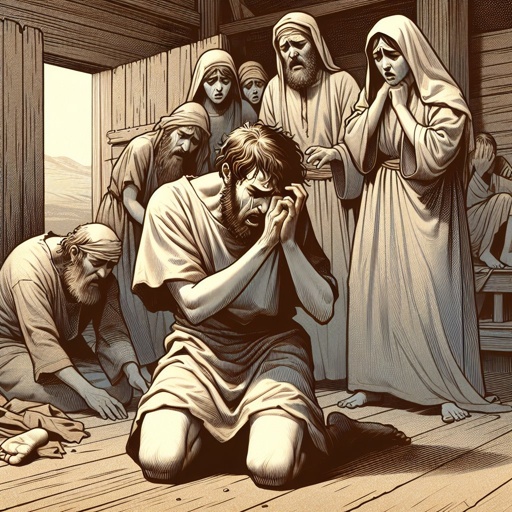
Genesis 30:26 - "Give me my wives and my children, for whom I have served thee, and let me go: for thou knowest my service which I have done thee."

Exodus 26:30

Genesis 19-30

Genesis 24-30

Genesis 18-30

Genesis 21-30

Genesis 1:26

Genesis 1:26

Genesis 1:26

Genesis 1:26

Proverbs 30:26 - "The conies are but a feeble folk, yet make they their houses in the rocks;"

Genesis 30:10-11

Genesis 29:15-30

Numbers 26:30 - "These are the sons of Gilead: of Jeezer, the family of the Jeezerites: of Helek, the family of the Helekites:"

Exodus 30:26 - "And thou shalt anoint the tabernacle of the congregation therewith, and the ark of the testimony,"

Matthew 26:30 - "And when they had sung an hymn, they went out into the mount of Olives."

Genesis 24-26

Genesis 26:35

Genesis 50:26

Genesis 26:25

Genesis 21-26

Genesis 25-26

Genesis 50:26

Genesis 19-26

Genesis 26:29

Genesis 50:26

Genesis 18-26

Genesis 26:18