What does Genesis 27:11 mean?
“And Jacob said to Rebekah his mother, Behold, Esau my brother is a hairy man, and I am a smooth man:” — Genesis 27:11
In Genesis 27:11 of the King James Version of the Bible, we read: "And Jacob said to Rebekah his mother, Behold, Esau my brother is a hairy man, and I am a smooth man." This verse is part of the story of Isaac blessing his sons, Jacob and Esau. The context of the verse is Isaac, who was old and blind, wanting to bless his eldest son Esau before his death. However, Jacob and his mother Rebekah conspired to deceive Isaac into giving the blessing to Jacob instead.
In this verse, Jacob is expressing his concern to his mother about deceiving his father. He is pointing out the physical differences between himself and Esau in order to express his doubt about being able to successfully deceive his father. Jacob is acknowledging that Esau is hairy, while he is smooth-skinned, which could be a key factor in Isaac recognizing him and discovering the deception.
One of the major themes in this verse is the issue of deception and its consequences. Jacob and Rebekah's deceptive plan to receive the blessing highlights the moral and ethical implications of deception. It raises questions about the righteousness of their actions and the consequences that result from deceit, as well as the familial conflict that arises from it.
Another theme in this verse is the idea of favoritism and the consequences of parental favoritism. Throughout the story, we see Isaac favoring Esau and Rebekah favoring Jacob. This favoritism leads to conflict and manipulation within the family, ultimately resulting in a breach of trust and a strained relationship between Jacob and Esau. This theme speaks to the importance of fair treatment and equal love within a family, and the damaging effects of favoritism.
The verse also symbolizes the broader theme of the human condition and the struggle for power. Jacob's desire to receive his father's blessing at any cost reflects the inherent human desire for power, recognition, and success. His willingness to deceive his father illustrates the lengths to which people may go in order to achieve their goals, and the moral dilemmas and ethical considerations that arise from these actions.
Moreover, the physical differences between Jacob and Esau symbolize the dichotomy of their characters. Esau, the hairy man, is often associated with strength, masculinity, and outdoor prowess, while Jacob, the smooth man, is associated with cunning, intelligence, and domesticity. This symbolizes the complexities of human nature and the different qualities and personalities that exist within individuals and within the family dynamic.
In conclusion, Genesis 27:11 from the King James Version of the Bible is a verse that delves into the themes of deception, favoritism, the human condition, and the complexities of family relationships. It highlights the moral and ethical implications of deceit, the damaging effects of parental favoritism, and the broader symbolism of human nature and the struggle for power. This verse serves as a powerful lesson about the consequences of deceit and the importance of fairness and equal treatment within the family unit.
Get our apps


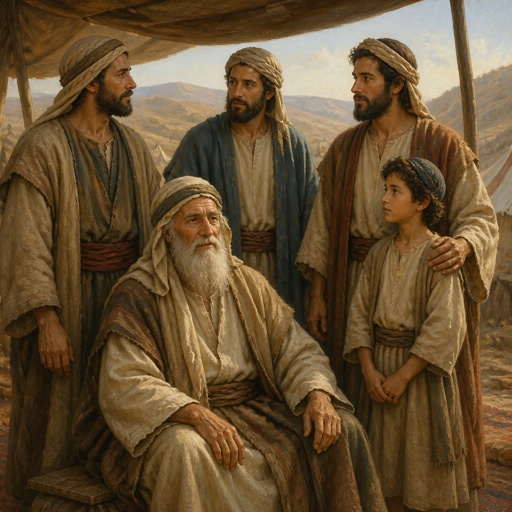
Artwork for Genesis 27:11

Genesis 27:11 - "And Jacob said to Rebekah his mother, Behold, Esau my brother is a hairy man, and I am a smooth man:"

Genesis 27:11 KJV And Jacob said to Rebekah his mother, Behold, Esau my brother is a hairy man, and I am a smooth man:

Genesis 11:27 - "¶ Now these are the generations of Terah: Terah begat Abram, Nahor, and Haran; and Haran begat Lot."
"¶ Now these are the generations of Terah: Terah begat Abram, Nahor, and Haran; and Haran begat Lot." - Genesis 11:27

Genesis 27:32

Genesis 27:5

Genesis 25-27

Genesis 17-27

Genesis 18-27

Genesis 24-27

Genesis 21-27

Genesis 19-27

Genesis 10:27 - "And Hadoram, and Uzal, and Diklah,"

Genesis 27:10 KJV

Genesis 27:18-19

Genesis 27:1-3

Genesis 36:27 - "The children of Ezer are these; Bilhan, and Zaavan, and Akan."

"And Hadoram, and Uzal, and Diklah," - Genesis 10:27

1 Chronicles 11:27 - "Shammoth the Harorite, Helez the Pelonite,"

Nehemiah 11:27 - "And at Hazar-shual, and at Beer-sheba, and in the villages thereof,"

Deuteronomy 27:11 - "¶ And Moses charged the people the same day, saying,"

Genesis 11:5

genesis 8:11

genesis 8:11

Genesis 8:11

genesis 8:11

Genesis 8:11

Genesis 15:11

Genesis 21-11

genesis 8:11