What does Genesis 29:22 mean?
“And Laban gathered together all the men of the place, and made a feast.” — Genesis 29:22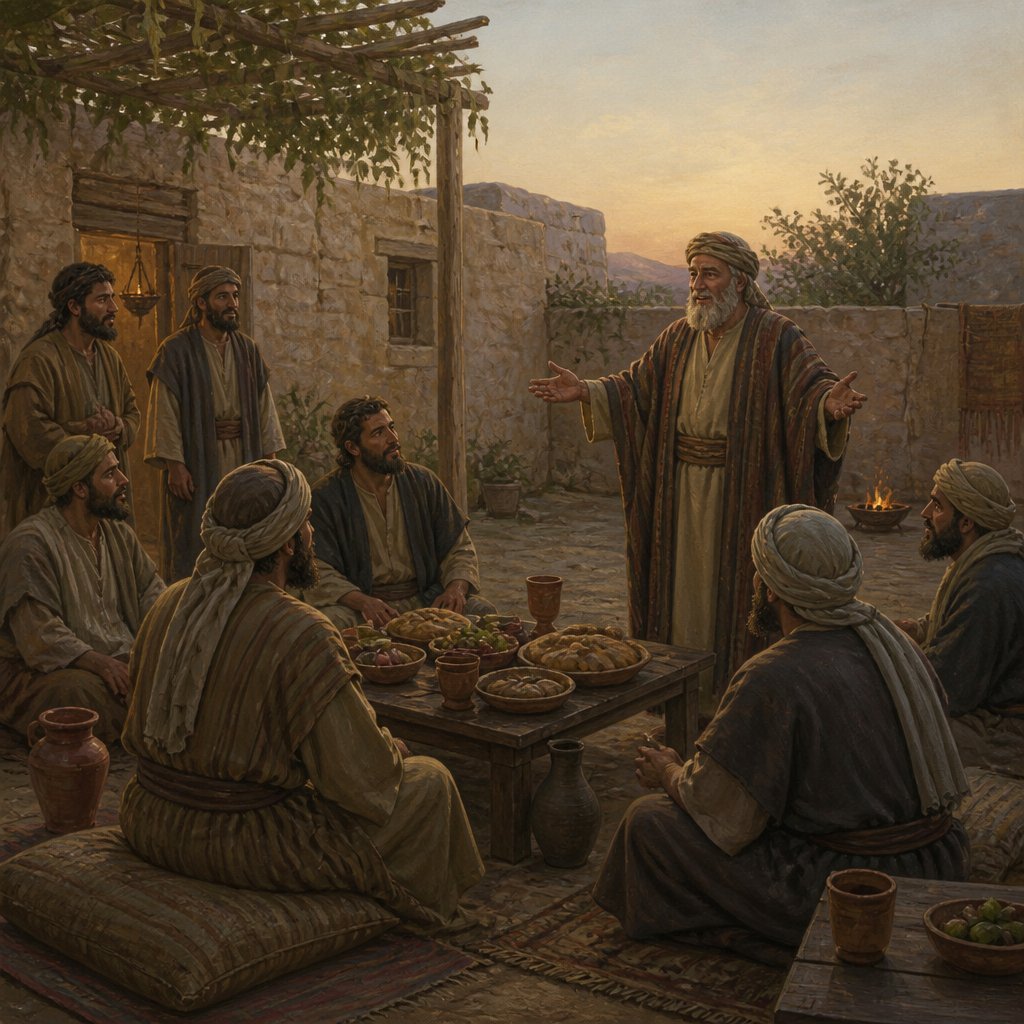
Genesis 29:22 (KJV) states, "And Laban gathered together all the men of the place, and made a feast."
In order to fully understand the meaning and significance of this verse, it is important to first examine its context within the broader narrative of the book of Genesis. This specific verse is part of the story of Jacob, who was the son of Isaac and the grandson of Abraham. Jacob had fled from his home after deceiving his father and brother, and was on his way to his uncle Laban's house in search of a wife. Upon arriving at Laban's home, Jacob meets Rachel, Laban's daughter, and falls in love with her. Laban agrees to give Rachel to Jacob as his wife in exchange for seven years of labor. This verse comes after Jacob fulfills his part of the bargain, and Laban celebrates their union with a feast.
The verse, "And Laban gathered together all the men of the place, and made a feast," serves as a pivotal moment in the narrative, marking a significant turning point in Jacob's life. The feast represents a joyous occasion and a symbol of unity and celebration. It signifies the coming together of two families through marriage and the observance of a traditional custom. In biblical times, feasting was a common way to commemorate important events, and it often signified the establishment of covenants and the forging of alliances.
Furthermore, this verse also sheds light on the character of Laban, who is portrayed as a cunning and manipulative individual throughout the narrative. Laban's actions here are indicative of his desire to orchestrate and control the events surrounding his family members, as well as his willingness to use his influence and authority to achieve his own ends.
The themes and symbolism present in this verse are manifold. Firstly, the theme of marriage and union is central to this passage. Marriage is depicted as an institution of great significance, and the celebration of Jacob and Rachel's union through a feast underscores the value placed on the institution of marriage in biblical times. Additionally, the verse also emphasizes the importance of tradition and community in the fulfillment of these sacred unions.
Symbolically, the feast itself can be seen as a representation of abundance and prosperity. In the ancient Near East, feasting was often associated with the display of wealth and hospitality, and it served as a means of demonstrating one's social status and generosity. The feast also serves as a symbol of unity and solidarity, as the coming together of the men of the place conveys a sense of communal harmony and shared celebration.
In conclusion, Genesis 29:22 (KJV) is a verse that carries profound significance within the broader context of the biblical narrative. It serves to illustrate the themes of marriage, tradition, and community, while also providing valuable insight into the characters and motivations of the individuals involved. Through a careful examination of this verse, readers can gain a deeper understanding of the customs and practices of ancient societies, as well as the timeless significance of marriage and unity within the biblical narrative.
Get our apps


Artwork for Genesis 29:22

Genesis 29:22 - "And Laban gathered together all the men of the place, and made a feast."
"And Laban gathered together all the men of the place, and made a feast." - Genesis 29:22

Jonah 2:2-9 Jonah praying in the belly of the fish.

Genesis 22-22

Genesis 29:29 - "And Laban gave to Rachel his daughter Bilhah his handmaid to be her maid."

Genesis 29-2

Genesis 29-6

Genesis 29-5

Genesis 42:29

Genesis 29-7

Genesis 29:1

Genesis 18-29

Genesis 26:29

Genesis 29-3

Genesis 19-29

Genesis 29-8

Genesis 29-4

Genesis 21-29

Genesis 24-29

Genesis 29:16-35

Genesis 29:15-30

Genesis 22:22 - "And Chesed, and Hazo, and Pildash, and Jidlaph, and Bethuel."

Genesis 22

Jeremiah 22:29 - "O earth, earth, earth, hear the word of the LORD."

Genesis 10:29 - "And Ophir, and Havilah, and Jobab: all these were the sons of Joktan."

Genesis 29:17 - "Leah was tender eyed; but Rachel was beautiful and well favoured."

Genesis 22 14

Genesis 21:22

Genesis 18-22

Genesis 22-9