What does Genesis 29:31 mean?
“And when the LORD saw that Leah was hated, he opened her womb: but Rachel was barren.” — Genesis 29:31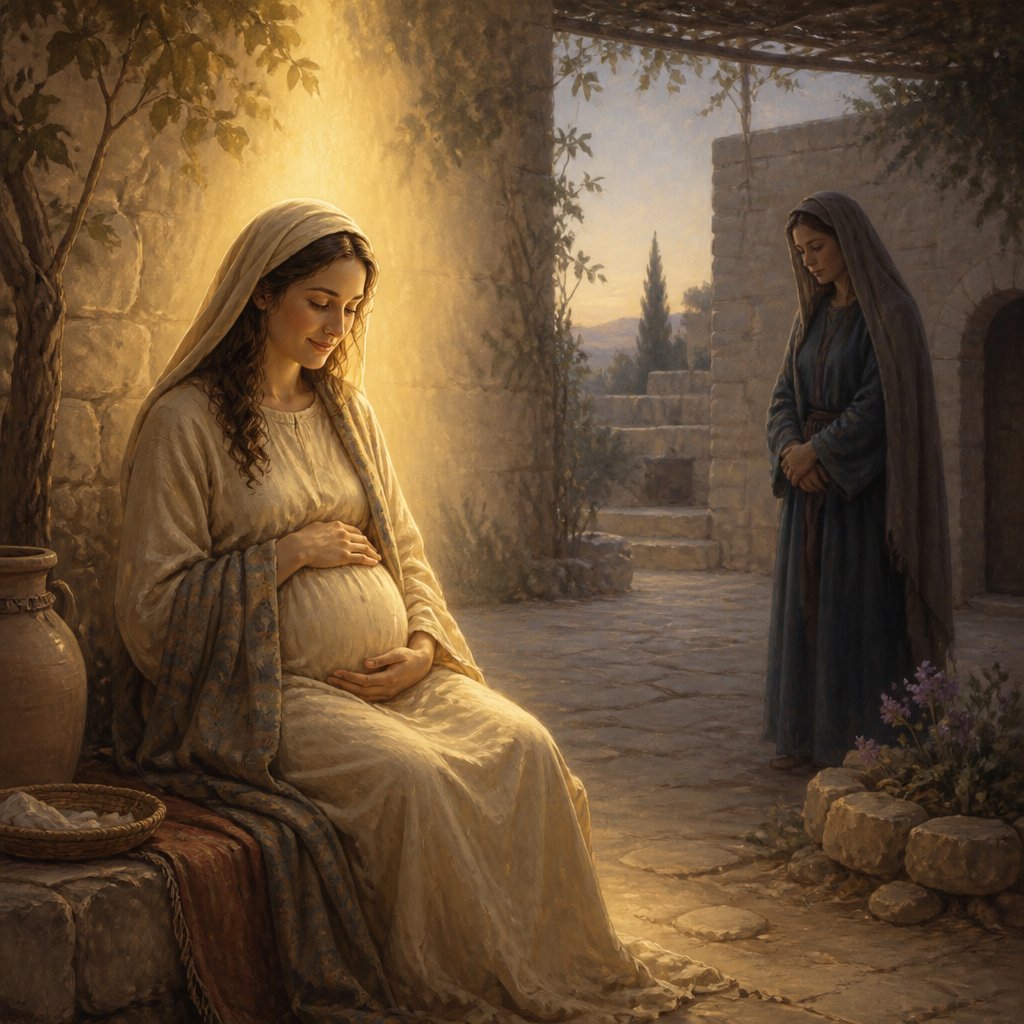
Genesis 29:31 (KJV) - "And when the Lord saw that Leah was hated, he opened her womb: but Rachel was barren."
This verse is a poignant reflection on the social and cultural dynamics of the ancient world, as well as the timeless human experiences of jealousy, longing, and the quest for validation. In this commentary, we will explore the themes, context, and symbolism of Genesis 29:31 in the King James Version of the Bible.
The opening phrase, "And when the Lord saw that Leah was hated," immediately sets the dramatic stage for the verse. It highlights the deep emotional conflict between two sisters, Leah and Rachel, who are both married to Jacob. The theme of favoritism and its consequences is prominent throughout the biblical narrative, and this verse is no exception.
Leah, the older sister, is described as "hated," not necessarily because of her own actions, but because she is perceived as less desirable than Rachel, who is Jacob's true love. This rejection and mistreatment of Leah reflects the harsh reality of the ancient world, where a woman's worth was often determined by her beauty and ability to bear children.
The verse then continues, "he opened her womb: but Rachel was barren." Here, the Lord's intervention becomes the focal point of the narrative. The opening of Leah's womb is a symbolic act of divine grace, a sign that despite her lack of favor in the eyes of her husband and society, she is seen and valued by God. This act of opening the womb represents fertility, abundance, and the potential for new life.
Conversely, the mention of Rachel's barrenness serves as a stark contrast to Leah's newfound fertility. This detail underscores the ongoing rivalry and anguish between the two sisters. Rachel's barrenness is a source of personal pain and shame, as well as a deep frustration in her relationship with Jacob.
The context of this verse is essential in understanding the complex dynamics at play. Leah and Rachel are not only competing for Jacob's affection, but also for their own sense of identity and purpose as women. In the patriarchal society of ancient Israel, a woman's fulfillment often revolved around marriage and motherhood. The inability to bear children was a deep source of shame and disappointment, and it could even lead to social rejection.
The symbolism in Genesis 29:31 is rich and multifaceted. The opening of Leah's womb represents God's ability to bring life and create miracles in the midst of sorrow and rejection. It also serves as a reminder of God's sovereignty and his ability to uplift the marginalized and overlooked. This act of divine intervention highlights the theme of God's providence and care for the downtrodden.
On the other hand, Rachel's barrenness symbolizes the pain of unfulfilled longing and the bitterness of unmet expectations. It serves as a poignant reminder of the human experience of yearning for something beyond our reach, and the emotional toll it can take on our relationships and sense of self-worth.
In conclusion, Genesis 29:31 paints a powerful portrait of the human experience, both in ancient times and today. It delves into themes of jealousy, rejection, and the quest for validation, while also showcasing the transformative power of divine intervention. This verse serves as a timeless reminder of God's ability to bring hope and new life in the midst of despair, and it challenges us to examine our own attitudes towards those who may be overlooked or undervalued in our own communities.
Get our apps


Artwork for Genesis 29:31

Genesis 29:31 - "¶ And when the LORD saw that Leah was hated, he opened her womb: but Rachel was barren."
"¶ And when the LORD saw that Leah was hated, he opened her womb: but Rachel was barren." - Genesis 29:31
Genesis 31:29 - "It is in the power of my hand to do you hurt: but the God of your father spake unto me yesternight, saying, Take thou heed that thou speak not to Jacob either good or bad."

Genesis 21-31

Genesis 18-31

Genesis 31:35

Genesis 19-31

Genesis 24-31

Proverbs 31:29 - "Many daughters have done virtuously, but thou excellest them all."

Numbers 31:29 - "Take it of their half, and give it unto Eleazar the priest, for an heave offering of the LORD."

Genesis 29:29 - "And Laban gave to Rachel his daughter Bilhah his handmaid to be her maid."

Genesis 29-2

Genesis 29-6

Genesis 29-5

Genesis 42:29

Genesis 29:1

Genesis 29-7

Genesis 18-29

Genesis 26:29

Genesis 19-29

Genesis 29-8

Genesis 29-3

Genesis 29-4

Genesis 21-29

Genesis 24-29

Exodus 29:31 - "¶ And thou shalt take the ram of the consecration, and seethe his flesh in the holy place."

Joshua 24: 29-31 An image including old Jushua

Genesis 29:16-35

Genesis 29:15-30

Genesis 31:22 - "And it was told Laban on the third day that Jacob was fled."