What does Genesis 29:35 mean?
“And she conceived again, and bare a son: and she said, Now will I praise the LORD: therefore she called his name Judah; and left bearing.” — Genesis 29:35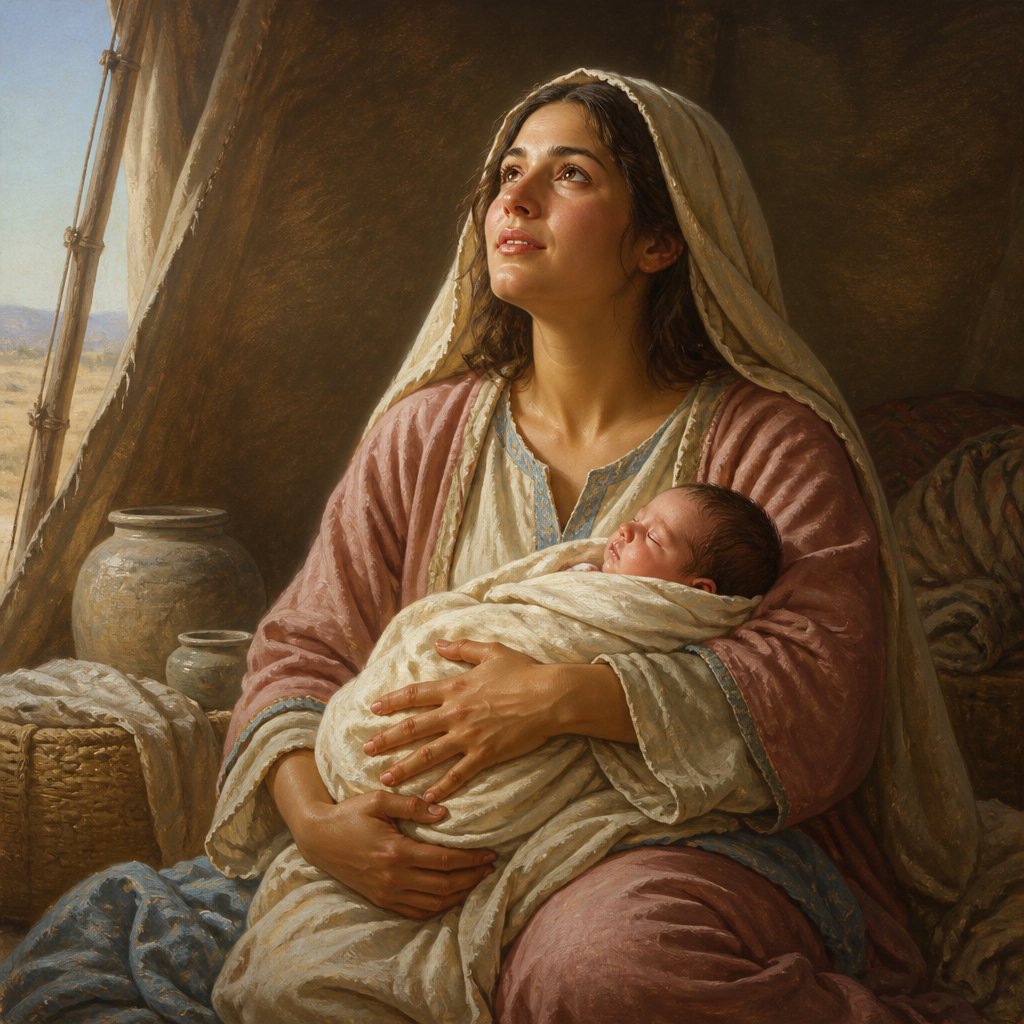
Genesis 29:35 in the King James Version reads, "And she conceived again, and bare a son: and she said, Now will I praise the Lord: therefore she called his name Judah; and left bearing." This verse is found in the book of Genesis, which is the first book of the Bible and is considered by many to be the foundation of the Christian faith.
In the context of the book of Genesis, this verse is part of the story of Jacob and his marriages to Leah and Rachel. Jacob had been tricked into marrying Leah, the older sister, before he could marry Rachel, whom he loved. As a result, there was a competitive spirit between the two sisters as they both vied for Jacob's affection and attention. This verse describes the birth of Leah's fourth son, Judah, and reveals Leah's feelings of gratitude and praise towards God for his blessing of another son.
The name "Judah" has significant meaning as it is derived from the Hebrew word "yadah," which means "praise." In naming her son Judah, Leah expresses her deep gratitude and praise to God for the blessing of another child. This act of naming a child based on gratitude and praise sets the tone for the future of the Israelite people, as Judah becomes one of the twelve tribes of Israel and is ultimately chosen to be the tribe from which the Davidic line and the Messiah would come.
The theme of praise and gratitude is central to this verse. It reflects the idea that even in times of difficulty, God is still worthy of praise. It serves as a reminder to the readers of the importance of acknowledging God's blessings, even when things may not be going as planned. Additionally, this verse highlights the power of a name and the significance of the meaning behind it. By choosing to name her son Judah, Leah publicly expresses her faith and gratitude, and this act sets the stage for a legacy of praise and worship within the Israelite community.
From a symbolic perspective, Judah also represents the line through which Jesus Christ, the ultimate savior, would come. This is significant as it demonstrates God's faithfulness and his ability to bring about his redemptive plan through the most unexpected circumstances. Judah's lineage is traced throughout the Old Testament, and the New Testament reveals Jesus as the ultimate fulfillment of the Messianic prophecies that were promised to come from the tribe of Judah.
In the broader context of the Bible, Genesis 29:35 showcases the faithfulness and sovereignty of God. It serves as a reminder that God's plans will always come to pass, even when they may not align with our own expectations. It also highlights the central theme of praise and gratitude as essential components of a life of faith. By acknowledging and praising God for his blessings, we are reminded of his goodness and faithfulness, even in the midst of challenging circumstances.
Overall, Genesis 29:35 in the King James Version is a verse that carries profound significance within the larger narrative of the Bible. It reflects themes of praise, gratitude, and the faithfulness of God, while also serving as a symbolic foreshadowing of the coming Messiah. This verse continues to hold deep meaning for believers as it encourages a heart of praise and trust in God's sovereign plan.
Get our apps


Artwork for Genesis 29:35

Genesis 29:35 - "And she conceived again, and bare a son: and she said, Now will I praise the LORD: therefore she called his name Judah; and left bearing."
"And she conceived again, and bare a son: and she said, Now will I praise the LORD: therefore she called his name Judah; and left bearing." - Genesis 29:35

Genesis 29:16-35

Genesis 35:29 - "And Isaac gave up the ghost, and died, and was gathered unto his people, being old and full of days: and his sons Esau and Jacob buried him."

Genesis 26:35

Genesis 19-35

Genesis 31:35

Genesis 24-35

Genesis 35:16-20

genesis 26:1-35

Genesis 35:24 - "The sons of Rachel; Joseph, and Benjamin:"
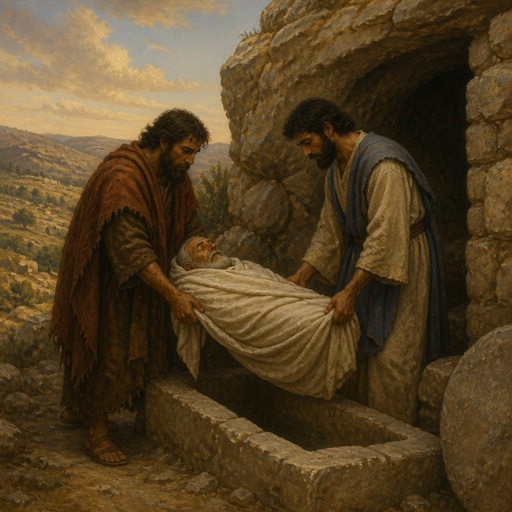
"And Isaac gave up the ghost, and died, and was gathered unto his people, being old and full of days: and his sons Esau and Jacob buried him." - Genesis 35:29

Genesis 35:25 - "And the sons of Bilhah, Rachel's handmaid; Dan, and Naphtali:"

Numbers 35:29 - "So these things shall be for a statute of judgment unto you throughout your generations in all your dwellings."

Numbers 29:35 - "¶ On the eighth day ye shall have a solemn assembly: ye shall do no servile work therein:"

Genesis 35:28 - "And the days of Isaac were an hundred and fourscore years."

Genesis 26:35 - "Which were a grief of mind unto Isaac and to Rebekah."

Genesis 29:29 - "And Laban gave to Rachel his daughter Bilhah his handmaid to be her maid."

Genesis 29-2

Genesis 29-6

Genesis 29-5

Genesis 42:29

Genesis 29:1

Genesis 29-7

Genesis 18-29

Genesis 26:29

Genesis 19-29

Genesis 29-8

Genesis 29-3

Genesis 29-4