What does Genesis 30:25 mean?
“And it came to pass, when Rachel had born Joseph, that Jacob said unto Laban, Send me away, that I may go unto mine own place, and to my country.” — Genesis 30:25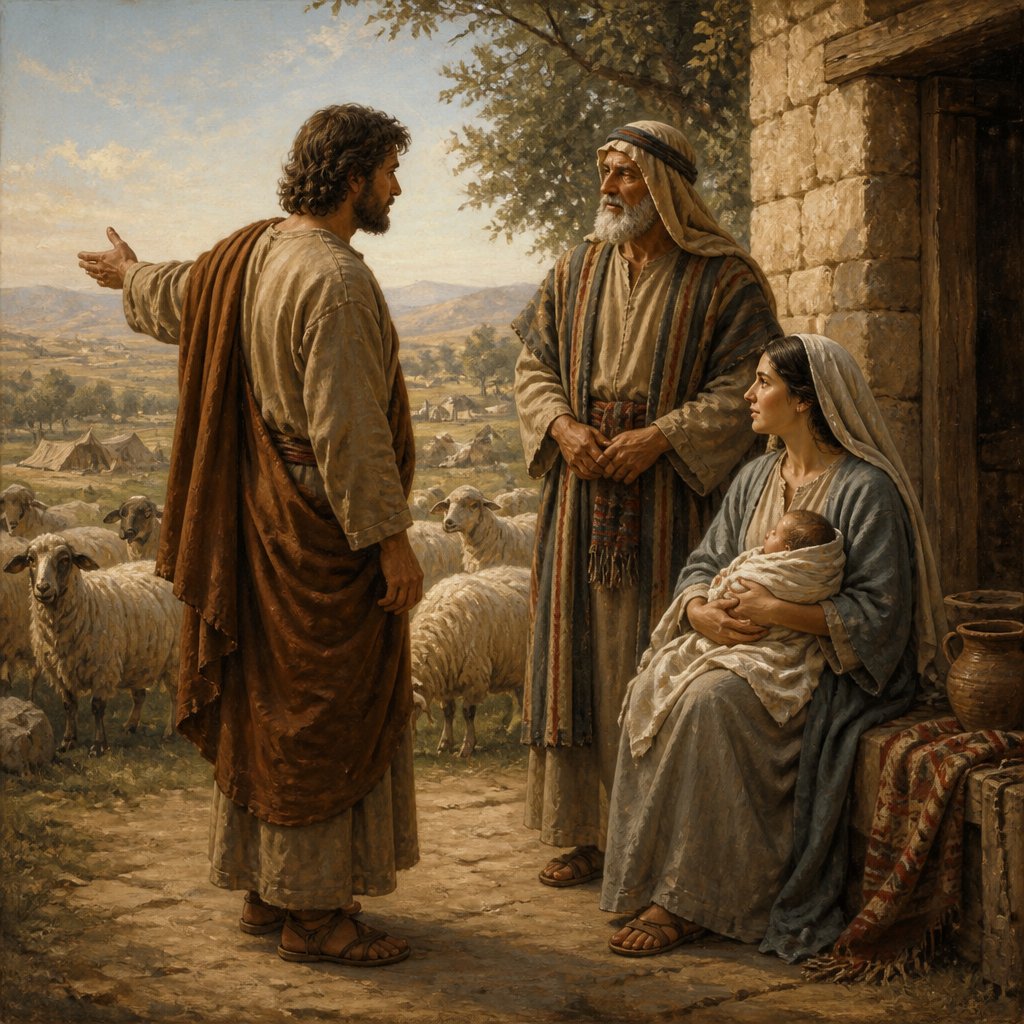
Genesis 30:25 in the King James Version of the Bible reads, "And it came to pass, when Rachel had born Joseph, that Jacob said unto Laban, Send me away, that I may go unto mine own place, and to my country." This verse comes at a pivotal moment in the story of Jacob and his family, and it is filled with deep meaning and symbolism.
To truly understand the significance of this verse, we must first look at the context in which it is set. Jacob had worked for Laban for many years in order to marry Rachel, Laban's younger daughter. However, Laban deceived Jacob by giving him Leah, his older daughter, as his wife instead. As a result, Jacob ended up working an additional seven years for Laban in order to marry Rachel as well. During this time, Jacob had several children with Leah, Rachel, and their servants, but Rachel struggled with infertility. Finally, she gave birth to a son, Joseph, and it was at this point that Jacob expressed his desire to return to his homeland.
The themes present in this verse are numerous and deeply significant. One of the major themes is the fulfillment of promises. Throughout the story of Jacob, we see the fulfillment of God's promises to him and his ancestors. Despite the challenges and deceptions he faced, God remained faithful to Jacob and blessed him with numerous children and material wealth. The birth of Joseph, Rachel's firstborn son, was a tangible manifestation of God's faithfulness and the fulfillment of His promise to bless Jacob's descendants.
Another key theme in this verse is the longing for home. Jacob's request to be sent away to his own place and country reflects his desire to return to the land of his fathers. This theme of longing for home is deeply relatable to many people, as it speaks to the universal human experience of yearning for a place of belonging and security.
Symbolism also plays a significant role in this verse. Rachel's struggle with infertility and her eventual conception of Joseph holds profound symbolic meaning. In the biblical narrative, fertility and childbirth are often used to symbolize God's blessing and favor. Rachel's prolonged infertility serves to highlight the miraculous nature of Joseph's birth and the divine intervention that made it possible. Furthermore, Joseph himself would go on to play a crucial role in God's redemptive plan for his people, making his birth a foreshadowing of future events.
Additionally, Jacob's plea to be sent away to his own place can be seen as symbolic of the broader theme of the journey of faith. Throughout the Bible, the idea of journeying and sojourning is often used to represent the Christian life. Jacob's desire to return to his homeland mirrors the believer's longing for their ultimate home in heaven. This theme of pilgrimage and longing for a heavenly home is something that resonates deeply with many believers.
In conclusion, Genesis 30:25 is a verse rich in meaning, reflecting themes of fulfillment, longing for home, and the miraculous intervention of God. Its placement within the larger narrative of Jacob's life serves to underscore its significance, and its symbolism carries profound spiritual truths. This verse reminds us of God's faithfulness in fulfilling His promises, the universal human longing for a place of belonging, and the symbolism of fertility and journeying as reflections of the Christian experience. Ultimately, this verse points to the overarching narrative of God's redemptive plan for His people and serves as a poignant reminder of His presence and provision in the midst of life's challenges.
Get our apps


Artwork for Genesis 30:25
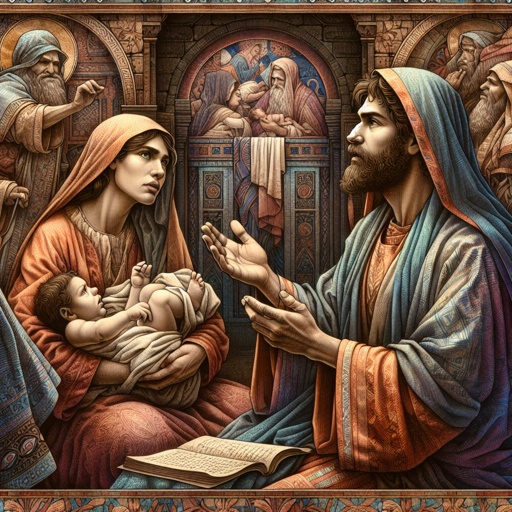
Genesis 30:25 - "¶ And it came to pass, when Rachel had born Joseph, that Jacob said unto Laban, Send me away, that I may go unto mine own place, and to my country."
"¶ And it came to pass, when Rachel had born Joseph, that Jacob said unto Laban, Send me away, that I may go unto mine own place, and to my country." - Genesis 30:25

Genesis 25:30 - "And Esau said to Jacob, Feed me, I pray thee, with that same red pottage; for I am faint: therefore was his name called Edom."

Genesis 25:25

Genesis 19-30

Genesis 24-30

Genesis 18-30

Genesis 21-30

Proverbs 30:25 - "The ants are a people not strong, yet they prepare their meat in the summer;"

Genesis 1:1-25

Genesis 30:10-11

Genesis 1:1-25

Genesis 1:1-25

Genesis 29:15-30

Genesis 25-18

Genesis 25-24

Genesis 25-2

Genesis 25-7

Genesis 25-23

Genesis 25-14

Genesis 50:25

Genesis 25:1

Genesis 26:25

Genesis 25-15

Genesis 21:25

Genesis 25-13

Genesis 25-26

Genesis 50:25

Genesis 25-6

Genesis 2:25