What does Genesis 31:46 mean?
“And Jacob said unto his brethren, Gather stones; and they took stones, and made an heap: and they did eat there upon the heap.” — Genesis 31:46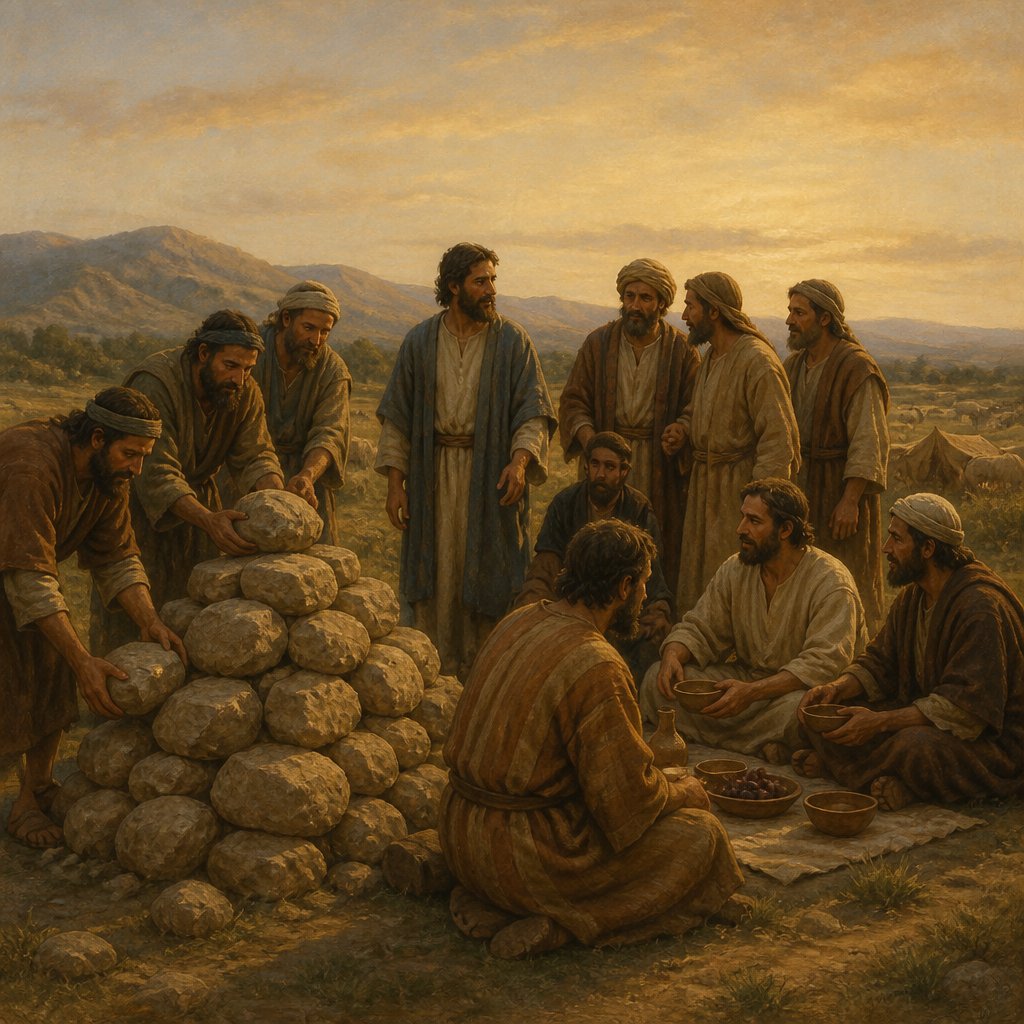
In Genesis 31:46, Laban and Jacob are making a covenant with each other. The verse reads: "And Jacob said unto his brethren, Gather stones; and they took stones, and made an heap: and they did eat there upon the heap." This moment is significant in the narrative of the Old Testament as it marks the resolution of a long-standing feud between Laban and Jacob.
The theme of peace and reconciliation is central to this verse. After years of working for Laban and experiencing deceit and mistreatment, Jacob decides to leave with his family and possessions. Laban pursues him, but God warns him in a dream not to harm Jacob. When they meet, Jacob confronts Laban with his grievances and they eventually make a covenant to live in peace. In the verse, they gather stones and create a heap as a physical marker of their agreement. This act symbolizes the solidity and permanence of their reconciliation.
The context of this verse is important in understanding its significance. Jacob had fled from his home to escape his brother Esau's anger after deceiving their father and obtaining Esau's blessing. On his journey, Jacob meets Laban, who arranges for him to marry his daughters Leah and Rachel. Jacob agrees to work for Laban for seven years in exchange for Rachel's hand in marriage, but Laban deceives Jacob by giving him Leah instead. This deception sets off a chain of events that leads to Jacob acquiring wealth and eventually returning to his homeland with his family. The tension and conflict between Jacob and Laban come to a head in this verse, as they reconcile and make a covenant before parting ways.
The symbolism in this verse is multifaceted. The gathering of stones to form a heap signifies the solidity and permanence of their agreement. Throughout the Old Testament, stones are often used to mark significant events or make covenants. In this case, the heap of stones serves as a physical reminder of the peace treaty between Jacob and Laban. Eating on the heap further emphasizes the importance and sanctity of the covenant they have made. Sharing a meal together is an act of communion and fellowship, signifying the restoration of their relationship.
Furthermore, the act of gathering stones and making a heap is a symbolic representation of the weight and significance of their reconciliation. The heap of stones acts as a boundary, a reminder to both Jacob and Laban of the agreement they have made. It serves as a physical barrier that delineates their newfound peace and sets the stage for future interactions between their families.
In conclusion, Genesis 31:46 captures a pivotal moment in the narrative of Jacob and Laban. The theme of peace and reconciliation is highlighted as they gather stones and make a heap to mark their covenant. The context of their tumultuous relationship and the symbolism of the heap of stones emphasize the significance of their agreement. This verse serves as a powerful reminder of the importance of forgiveness and reconciliation in biblical teachings.
Get our apps


Artwork for Genesis 31:46

Genesis 31:46 - "And Jacob said unto his brethren, Gather stones; and they took stones, and made an heap: and they did eat there upon the heap."
"And Jacob said unto his brethren, Gather stones; and they took stones, and made an heap: and they did eat there upon the heap." - Genesis 31:46

Numbers 31:46 - "And sixteen thousand persons;)"

Genesis 46:31 - "And Joseph said unto his brethren, and unto his father's house, I will go up, and shew Pharaoh, and say unto him, My brethren, and my father's house, which were in the land of Canaan, are come unto me;"

"And sixteen thousand persons;)" - Numbers 31:46

Genesis 46:23 - "¶ And the sons of Dan; Hushim."

Genesis 24-46

Genesis 46:9 - "And the sons of Reuben; Hanoch, and Phallu, and Hezron, and Carmi."

Genesis 46:11 - "¶ And the sons of Levi; Gershon, Kohath, and Merari."

Genesis 46:14 - "¶ And the sons of Zebulun; Sered, and Elon, and Jahleel."

Genesis 46:24 - "¶ And the sons of Naphtali; Jahzeel, and Guni, and Jezer, and Shillem."

Genesis 46:13 - "¶ And the sons of Issachar; Tola, and Phuvah, and Job, and Shimron."

Genesis 46:19 - "The sons of Rachel Jacob's wife; Joseph, and Benjamin."

Genesis 46:22 - "These are the sons of Rachel, which were born to Jacob: all the souls were fourteen."
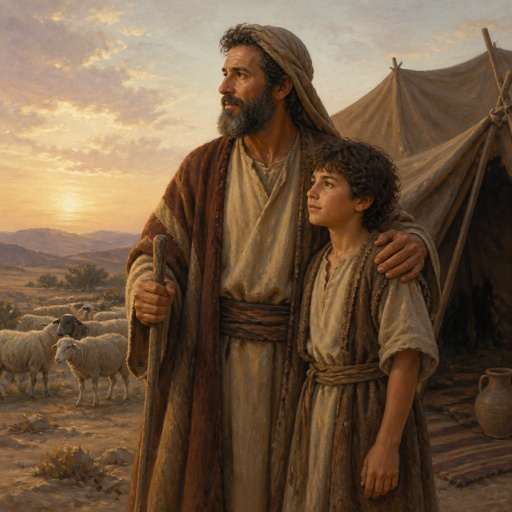
"¶ And the sons of Dan; Hushim." - Genesis 46:23

Genesis 46:16 - "¶ And the sons of Gad; Ziphion, and Haggi, Shuni, and Ezbon, Eri, and Arodi, and Areli."

Genesis 46:21 - "¶ And the sons of Benjamin were Belah, and Becher, and Ashbel, Gera, and Naaman, Ehi, and Rosh, Muppim, and Huppim, and Ard."

Genesis 46:10 - "¶ And the sons of Simeon; Jemuel, and Jamin, and Ohad, and Jachin, and Zohar, and Shaul the son of a Canaanitish woman."

"¶ And the sons of Issachar; Tola, and Phuvah, and Job, and Shimron." - Genesis 46:13
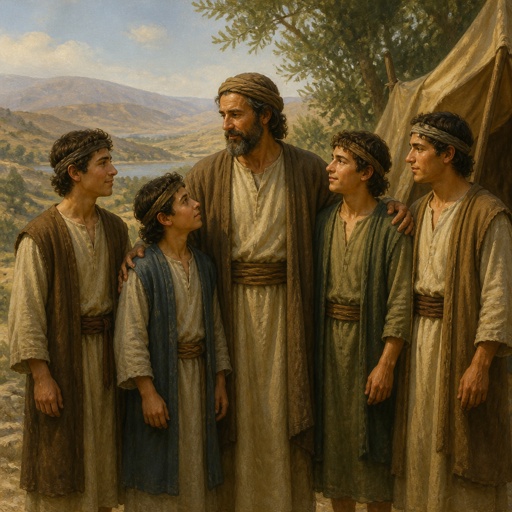
"¶ And the sons of Naphtali; Jahzeel, and Guni, and Jezer, and Shillem." - Genesis 46:24

"The sons of Rachel Jacob's wife; Joseph, and Benjamin." - Genesis 46:19

Genesis 21-31

Genesis 18-31

Genesis 31:35

Genesis 46:2 - "And God spake unto Israel in the visions of the night, and said, Jacob, Jacob. And he said, Here am I."

Genesis 19-31

Genesis 24-31

"¶ And the sons of Levi; Gershon, Kohath, and Merari." - Genesis 46:11

"¶ And the sons of Zebulun; Sered, and Elon, and Jahleel." - Genesis 46:14

Genesis 46:8 - "¶ And these are the names of the children of Israel, which came into Egypt, Jacob and his sons: Reuben, Jacob's firstborn."