What does Genesis 33:17 mean?
“And Jacob journeyed to Succoth, and built him an house, and made booths for his cattle: therefore the name of the place is called Succoth.” — Genesis 33:17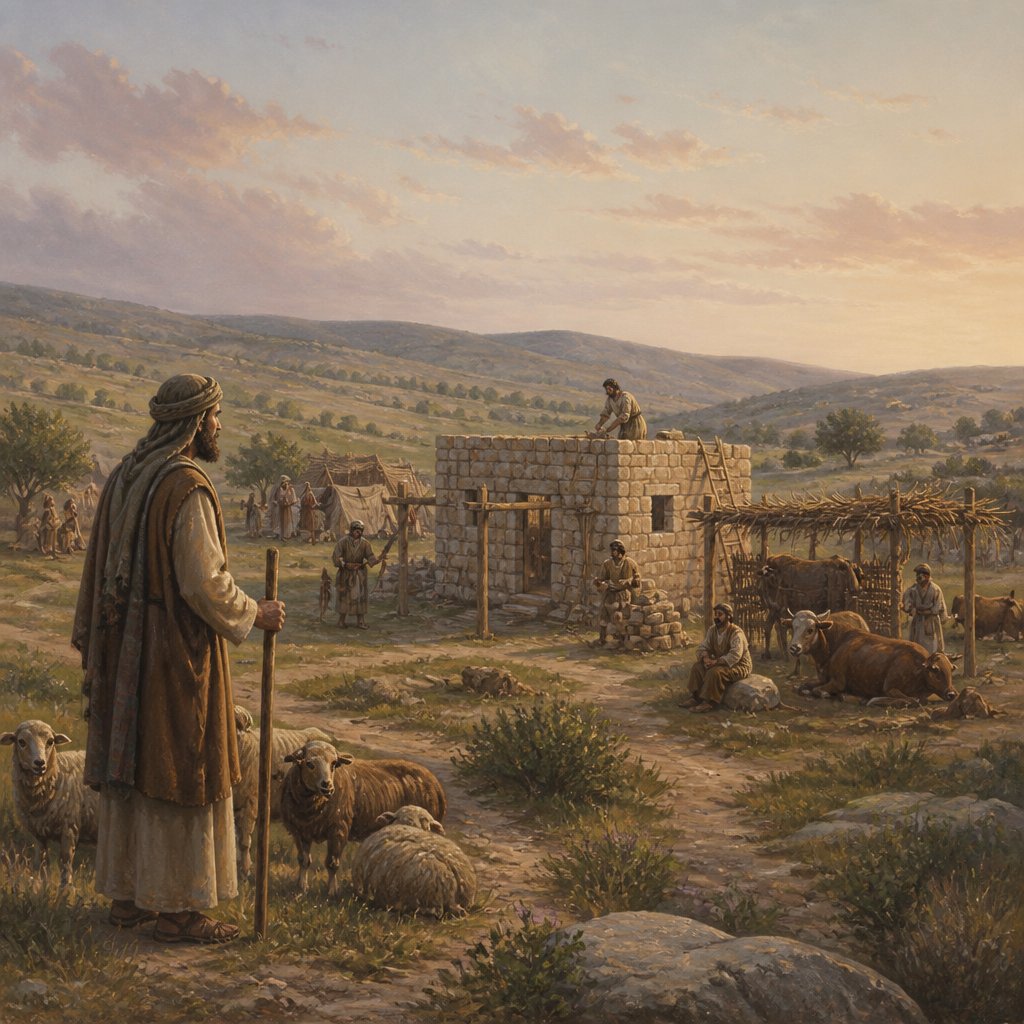
Genesis 33:17 in the King James Version (KJV) states, "And Jacob journeyed to Succoth, and built him an house, and made booths for his cattle: therefore the name of the place is called Succoth." This verse occurs in the larger context of Genesis 33, which describes the reconciliation between Jacob and his brother Esau. This moment is significant in the narrative of the Book of Genesis as it marks the end of a long-standing feud between the two brothers and signifies the beginning of a new chapter in Jacob's life.
To understand the deeper meaning and commentary of Genesis 33:17, it is essential to consider the themes, context, and symbolism surrounding the verse. One of the prominent themes in this passage is the restoration of relationships and the idea of moving forward from the past. Jacob and Esau's reconciliation is a powerful example of forgiveness and the possibility of healing broken relationships. This theme emphasizes the importance of forgiveness and reconciliation in the biblical narrative, highlighting the transformative power of forgiveness and the potential for new beginnings.
Another important theme in this passage is the idea of journeying and building a home. After reconciling with Esau, Jacob journeys to Succoth and builds a house for himself and shelters for his cattle. This act symbolizes the establishment of stability and a sense of belonging after years of wandering and strife. It reflects the idea of finding a place of rest and security after a period of turmoil, emphasizing the importance of settling down and building a life rooted in faith and family.
The context of Genesis 33:17 also provides a deeper understanding of the verse. Following years of conflict and estrangement, Jacob and Esau finally meet and reconcile. This moment of reconciliation is a turning point in the narrative, signifying a shift from conflict and strife to peace and harmony. It demonstrates the transformative power of forgiveness and the potential for reconciliation even in the most challenging circumstances.
In addition to the themes and context, there is also symbolism present in Genesis 33:17. The act of Jacob building a house and making booths for his cattle symbolizes the restoration of order and the fulfillment of God's promises. It represents the idea of creating a home and providing for one's family, as well as the symbolic significance of the land and the blessings that come with it. The name "Succoth" itself carries symbolic weight, as it signifies a place of shelter and protection, reflecting the idea of finding refuge and security in God's provision.
In conclusion, Genesis 33:17 holds significant meaning and commentary within the larger narrative of the Book of Genesis. It reflects themes of reconciliation, forgiveness, and the transformative power of faith. The context of Jacob and Esau's reconciliation provides a powerful example of healing broken relationships, while the symbolism of building a home and finding refuge in God's provision underscores the themes of stability and security. Overall, Genesis 33:17 serves as a poignant reminder of the importance of forgiveness, reconciliation, and finding a place of rest and belonging in God's providence.
Get our apps


Artwork for Genesis 33:17

Genesis 33:17 - "And Jacob journeyed to Succoth, and built him an house, and made booths for his cattle: therefore the name of the place is called Succoth."
"And Jacob journeyed to Succoth, and built him an house, and made booths for his cattle: therefore the name of the place is called Succoth." - Genesis 33:17

Genesis 19-33

Genesis 21-33

Genesis 18-33

Genesis 24-33

Genesis 25-33

1 Samuel 17:33

Numbers 33:17 - "And they departed from Kibroth-hattaavah, and encamped at Hazeroth."

Acts 17:33 - "So Paul departed from among them."

Genesis 33:6 - "Then the handmaidens came near, they and their children, and they bowed themselves."

Genesis 17-17

Genesis 33:20 - "And he erected there an altar, and called it El-elohe-Israel."

Genesis 33:16 - "¶ So Esau returned that day on his way unto Seir."

Genesis 36:33 - "And Bela died, and Jobab the son of Zerah of Bozrah reigned in his stead."

Genesis 21:33 - "¶ And Abraham planted a grove in Beer-sheba, and called there on the name of the LORD, the everlasting God."

Genesis 26:33 - "And he called it Shebah: therefore the name of the city is Beer-sheba unto this day."
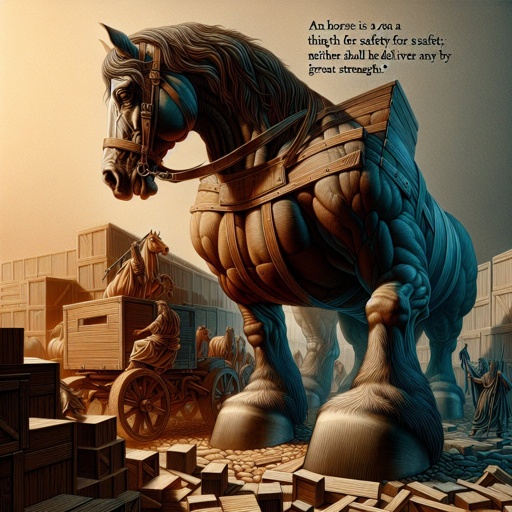
Psalms 33:17 - "An horse is a vain thing for safety: neither shall he deliver any by his great strength."

Job 33:17 - "That he may withdraw man from his purpose, and hide pride from man."

Ezekiel 33:17 - "¶ Yet the children of thy people say, The way of the Lord is not equal: but as for them, their way is not equal."

Genesis 17-15

Genesis 17-23

Genesis 18-17

Genesis 17-27

Genesis 17-21

Genesis 17:2

Genesis 17:6

Genesis 28-17

Genesis 17:4

Genesis 20-17