What does Genesis 33:6 mean?
“Then the handmaidens came near, they and their children, and they bowed themselves.” — Genesis 33:6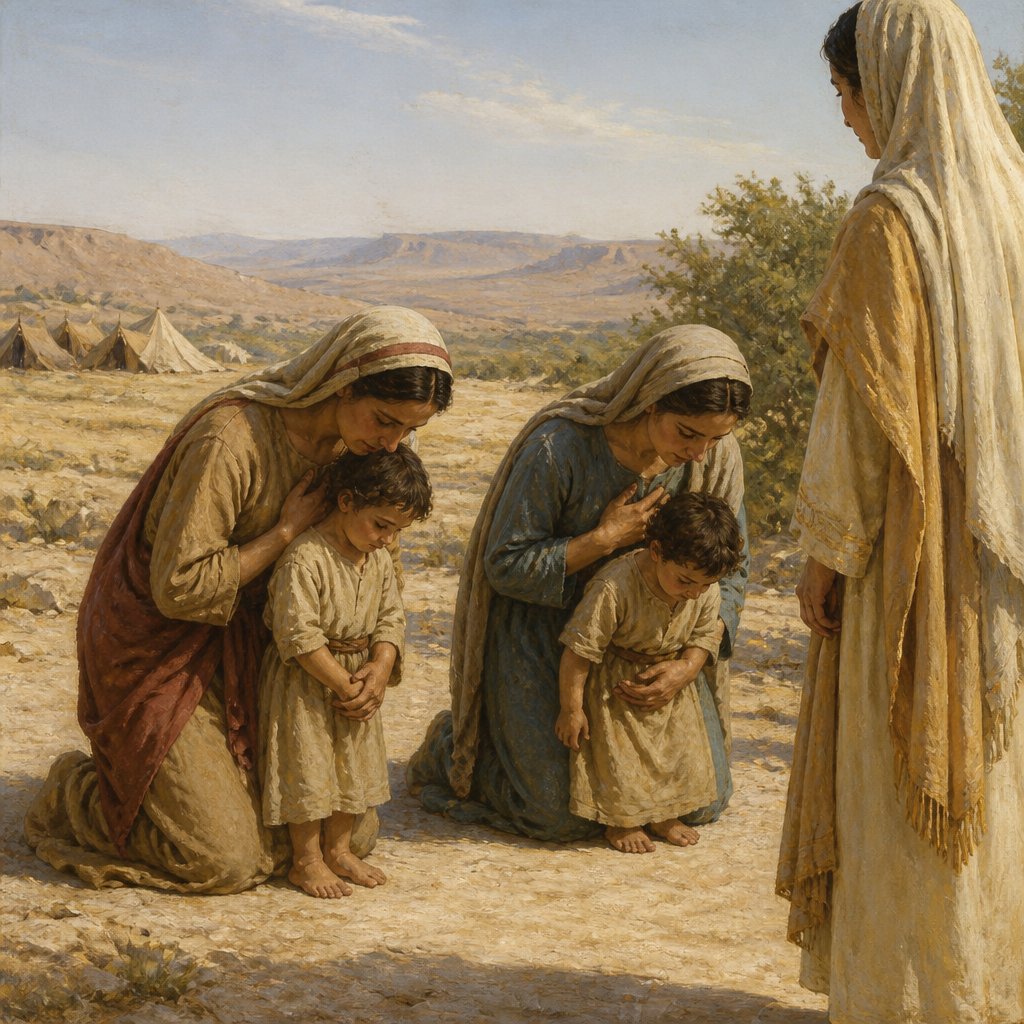
Sure, here is a detailed and in-depth meaning and commentary on Genesis 33:6 from the King James Version of the Bible.
The verse Genesis 33:6 states, "Then the handmaidens came near, they and their children, and they bowed themselves." This verse comes from the story of Jacob's reunion with his brother Esau after many years of separation. It is a significant moment in the biblical narrative, as it marks the resolution of a long-standing conflict between the two brothers. This verse demonstrates a powerful theme of reconciliation and forgiveness, which is a central concept in the Bible and has profound implications for human relationships.
Contextually, this verse takes place after Jacob has sent gifts to Esau as a way of appeasing him before their meeting. Jacob is filled with fear and anxiety as he approaches Esau, knowing that their relationship had been strained ever since Jacob deceived him and took his birthright. However, upon their reunion, Esau runs to meet Jacob and embraces him, showing forgiveness and love. This verse specifically describes how the handmaidens and their children also came near and bowed themselves before Esau. This act represents a sign of respect and submission, and it showcases the restoration of peace and harmony between the two brothers and their families.
One of the prominent themes in this verse is forgiveness. The reconciliation between Jacob and Esau serves as a powerful example of the transformative power of forgiveness. Despite the pain and betrayal that Jacob caused Esau, Esau chooses to let go of the past and embrace his brother with open arms. This act of forgiveness allows for healing and restoration in their relationship, demonstrating the biblical principle of love and reconciliation.
Another important theme that emerges from this verse is the idea of humility and submission. The handmaidens and their children bowing before Esau symbolize a recognition of his authority and a desire for peace. This act of humility reflects the biblical value of humility and the willingness to yield to others in love and harmony.
Moreover, the context of this verse also reflects the biblical theme of family reconciliation. The reunion between Jacob and Esau is not only a reconciliation between two individuals, but also between two families. The bowing of the handmaidens and their children symbolizes the unity and reconciliation of their households, emphasizing the importance of harmony and peace within families.
Symbolically, the act of bowing in this verse represents a transformative shift in the relationship dynamics between Jacob and Esau. It signifies a turning point from hostility and estrangement to reconciliation and forgiveness. Additionally, the act of bowing can be seen as a sign of respect and submission, as the handmaidens and their children acknowledge Esau's authority and seek reconciliation.
In conclusion, Genesis 33:6 is a powerful verse that highlights themes of forgiveness, humility, and family reconciliation. The reunion between Jacob and Esau serves as a powerful example of the transformative power of forgiveness and the restoration of broken relationships. The act of bowing by the handmaidens and their children symbolizes a shift towards reconciliation and harmony, emphasizing the biblical principles of love and forgiveness. This verse reminds us of the power of forgiveness to heal and restore relationships, and it serves as a timeless example of the transformative power of God's grace and mercy.
Get our apps


Artwork for Genesis 33:6

Genesis 33:6 - "Then the handmaidens came near, they and their children, and they bowed themselves."
"Then the handmaidens came near, they and their children, and they bowed themselves." - Genesis 33:6

Genesis 19-33

Genesis 21-33

Genesis 18-33

Genesis 24-33

Genesis 25-33

Mathew 6:33

Isaiah 33:6

Isaiah 33:6

Isaiah 33:6

Genesis 33:20 - "And he erected there an altar, and called it El-elohe-Israel."

Genesis 33:16 - "¶ So Esau returned that day on his way unto Seir."

Genesis 36:33 - "And Bela died, and Jobab the son of Zerah of Bozrah reigned in his stead."

Genesis 21:33 - "¶ And Abraham planted a grove in Beer-sheba, and called there on the name of the LORD, the everlasting God."

Genesis 26:33 - "And he called it Shebah: therefore the name of the city is Beer-sheba unto this day."

Exodus 33:6 - "And the children of Israel stripped themselves of their ornaments by the mount Horeb."

Matthew 6:33. Seeking God's righteousness

Deuteronomy 33:6 - "¶ Let Reuben live, and not die; and let not his men be few."

Genesis 33:9 - "And Esau said, I have enough, my brother; keep that thou hast unto thyself."
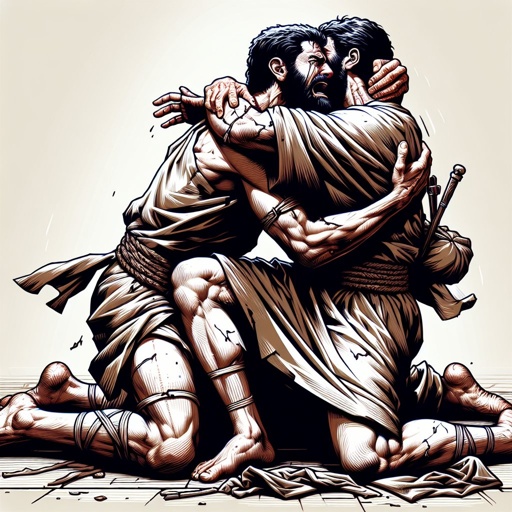
Genesis 33:4 - "And Esau ran to meet him, and embraced him, and fell on his neck, and kissed him: and they wept."

Genesis 33:2 - "And he put the handmaids and their children foremost, and Leah and her children after, and Rachel and Joseph hindermost."

Numbers 33:6 - "And they departed from Succoth, and pitched in Etham, which is in the edge of the wilderness."

Genesis 46:33 - "And it shall come to pass, when Pharaoh shall call you, and shall say, What is your occupation?"

Genesis 33:12 - "And he said, Let us take our journey, and let us go, and I will go before thee."

Proverbs 6:33 - "A wound and dishonour shall he get; and his reproach shall not be wiped away."

Genesis 41:33 - "Now therefore let Pharaoh look out a man discreet and wise, and set him over the land of Egypt."

Genesis 33:7 - "And Leah also with her children came near, and bowed themselves: and after came Joseph near and Rachel, and they bowed themselves."

Genesis 25:33 - "And Jacob said, Swear to me this day; and he sware unto him: and he sold his birthright unto Jacob."

Genesis 33:17 - "And Jacob journeyed to Succoth, and built him an house, and made booths for his cattle: therefore the name of the place is called Succoth."