What does Genesis 33:9 mean?
“And Esau said, I have enough, my brother; keep that thou hast unto thyself.” — Genesis 33:9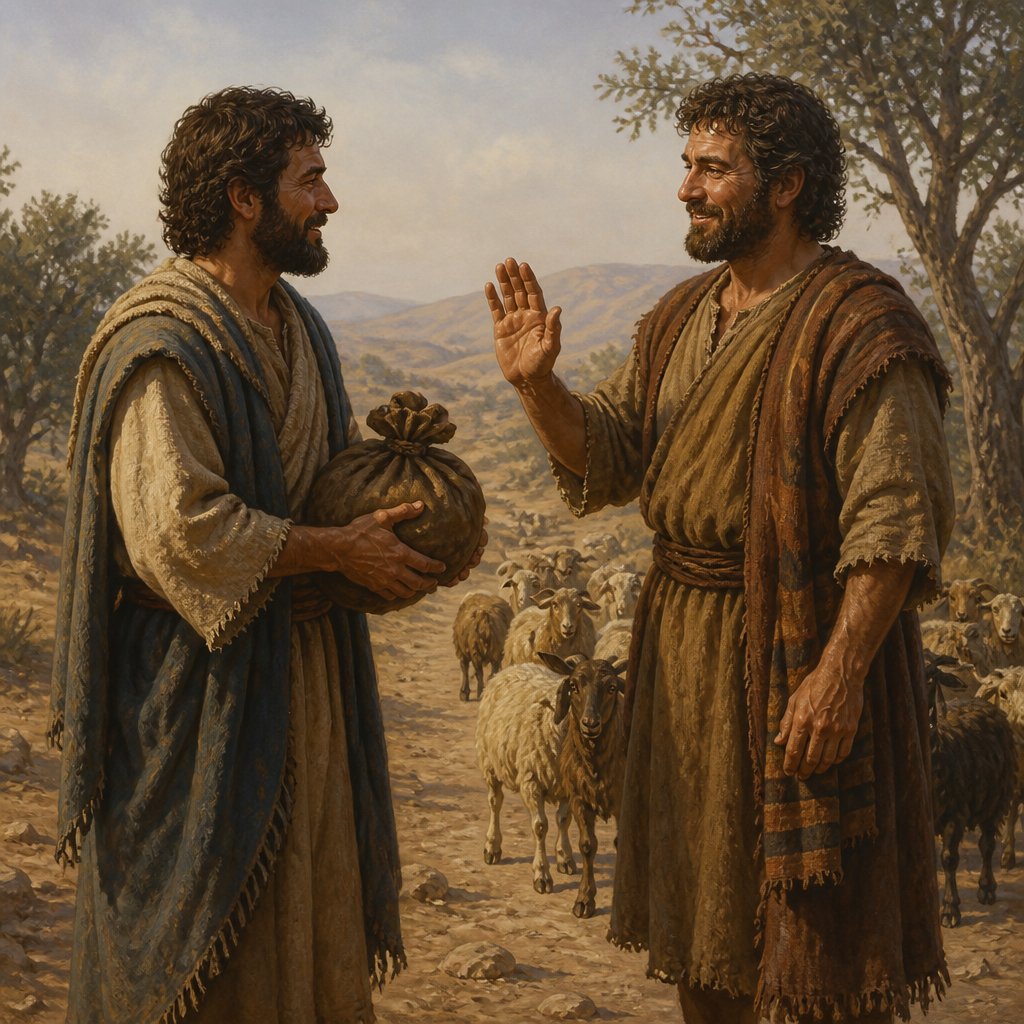
Genesis 33:9 (KJV) says, "And Esau said, I have enough, my brother; keep that thou hast unto thyself." This verse is part of the story of the reunion of Jacob and Esau, two brothers who had been estranged for many years. The verse captures an important moment of reconciliation and forgiveness between the two brothers, which is a central theme in this passage within the book of Genesis.
The context for this verse can be found in the preceding chapters of Genesis. Jacob and Esau were the twin sons of Isaac and Rebekah, and from a young age, they had a tumultuous relationship. According to the biblical narrative, Jacob had deceived their father, Isaac, and stolen Esau's birthright and blessing as the firstborn. This caused a deep rift between the brothers, and Esau had harbored anger and resentment toward Jacob for many years.
In Genesis 32, Jacob prepares to meet Esau after many years of separation. He is filled with fear and apprehension about the encounter, as he is uncertain about how Esau will react to his return. In the previous verses, Jacob sends ahead of him gifts and offerings to appease Esau, hoping to gain favor in his brother's eyes. In a display of humility and deference, he bows down to Esau multiple times upon their meeting.
The verse Genesis 33:9 captures a pivotal moment in this encounter. After Jacob offers Esau gifts of livestock, Esau genuinely refuses the offerings and insists that Jacob keep them for himself. This act of generosity and forgiveness is profound, as it demonstrates Esau's willingness to let go of past grievances and extend grace to his brother. It is a poignant moment of reconciliation and restoration between the two brothers, symbolizing the healing of their fractured relationship.
The themes of forgiveness, reconciliation, and grace are prominent in this verse. Esau's words "I have enough, my brother; keep that thou hast unto thyself" reflect a spirit of contentment and selflessness, as he prioritizes the restoration of their relationship over material possessions. His refusal to accept Jacob's offerings signifies a desire for genuine reconciliation based on love and forgiveness, rather than transactional exchanges or attempts to buy back favor. This act of grace and generosity serves as a model of forgiveness and reconciliation for readers, emphasizing the importance of letting go of past hurts and seeking restoration in relationships.
Moreover, the verse exemplifies the overarching theme of God's faithfulness and sovereignty in the lives of Jacob and Esau. Throughout their tumultuous relationship, God remains faithful to His promises and continues to work in their lives, ultimately leading to a moment of reconciliation and forgiveness. The passage underscores the redemptive power of God's grace and His ability to transform broken relationships into ones characterized by love and harmony.
In addition to its thematic significance, Genesis 33:9 also holds symbolic value within the broader biblical narrative. The reconciliation between Jacob and Esau foreshadows the larger theme of reconciliation and redemption that runs throughout the Bible, culminating in the ultimate reconciliation between God and humanity through the sacrifice of Jesus Christ. The verse serves as a precursor to the message of forgiveness and restoration that is central to the Christian faith, emphasizing the transformative power of grace and love in healing broken relationships.
In conclusion, Genesis 33:9 is a pivotal verse that captures a profound moment of reconciliation and forgiveness between Jacob and Esau. It exemplifies themes of grace, reconciliation, and God's faithfulness, while also holding symbolic value within the broader biblical narrative. The passage serves as a timeless reminder of the power of forgiveness and the potential for restoration in relationships, inspiring readers to seek reconciliation and extend grace to others.
Get our apps


Artwork for Genesis 33:9

Genesis 33:9 - "And Esau said, I have enough, my brother; keep that thou hast unto thyself."
"And Esau said, I have enough, my brother; keep that thou hast unto thyself." - Genesis 33:9

Genesis 19-33

Genesis 21-33

Genesis 18-33

Genesis 24-33

Genesis 25-33

Genesis 33:6 - "Then the handmaidens came near, they and their children, and they bowed themselves."

Ezekiel 33:3-9

Genesis 33:20 - "And he erected there an altar, and called it El-elohe-Israel."

Genesis 33:16 - "¶ So Esau returned that day on his way unto Seir."

Genesis 36:33 - "And Bela died, and Jobab the son of Zerah of Bozrah reigned in his stead."

Genesis 21:33 - "¶ And Abraham planted a grove in Beer-sheba, and called there on the name of the LORD, the everlasting God."

Genesis 26:33 - "And he called it Shebah: therefore the name of the city is Beer-sheba unto this day."

John 9:33 - "If this man were not of God, he could do nothing."

Psalms 33:9 - "For he spake, and it was done; he commanded, and it stood fast."
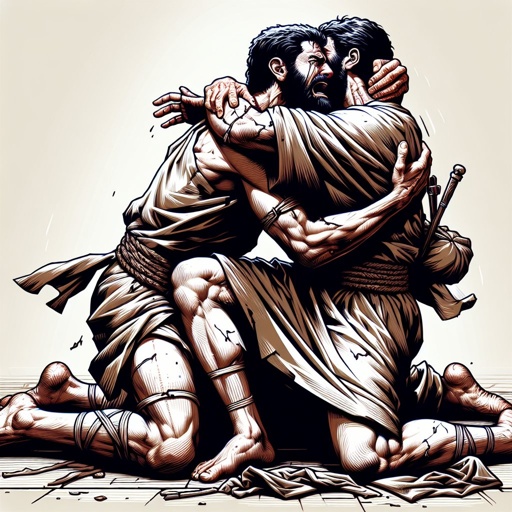
Genesis 33:4 - "And Esau ran to meet him, and embraced him, and fell on his neck, and kissed him: and they wept."

Genesis 33:2 - "And he put the handmaids and their children foremost, and Leah and her children after, and Rachel and Joseph hindermost."

Genesis 46:33 - "And it shall come to pass, when Pharaoh shall call you, and shall say, What is your occupation?"

Genesis 33:12 - "And he said, Let us take our journey, and let us go, and I will go before thee."

Job 33:9 - "I am clean without transgression, I am innocent; neither is there iniquity in me."

Genesis 41:33 - "Now therefore let Pharaoh look out a man discreet and wise, and set him over the land of Egypt."
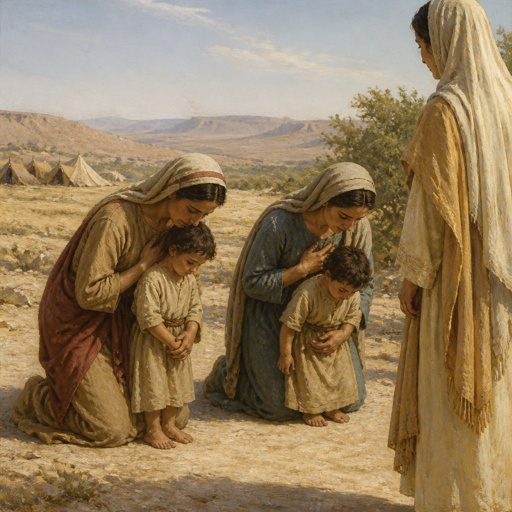
"Then the handmaidens came near, they and their children, and they bowed themselves." - Genesis 33:6

Genesis 25:33 - "And Jacob said, Swear to me this day; and he sware unto him: and he sold his birthright unto Jacob."

Genesis 33:7 - "And Leah also with her children came near, and bowed themselves: and after came Joseph near and Rachel, and they bowed themselves."

Genesis 33:17 - "And Jacob journeyed to Succoth, and built him an house, and made booths for his cattle: therefore the name of the place is called Succoth."

Genesis 43:33 - "And they sat before him, the firstborn according to his birthright, and the youngest according to his youth: and the men marvelled one at another."

Genesis 18:33 - "And the LORD went his way, as soon as he had left communing with Abraham: and Abraham returned unto his place."

Job 9:33 - "Neither is there any daysman betwixt us, that might lay his hand upon us both."
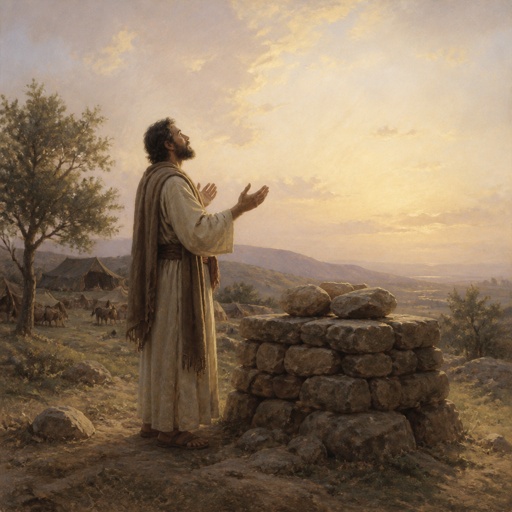
"And he erected there an altar, and called it El-elohe-Israel." - Genesis 33:20