What does Genesis 34:28 mean?
“They took their sheep, and their oxen, and their asses, and that which was in the city, and that which was in the field,” — Genesis 34:28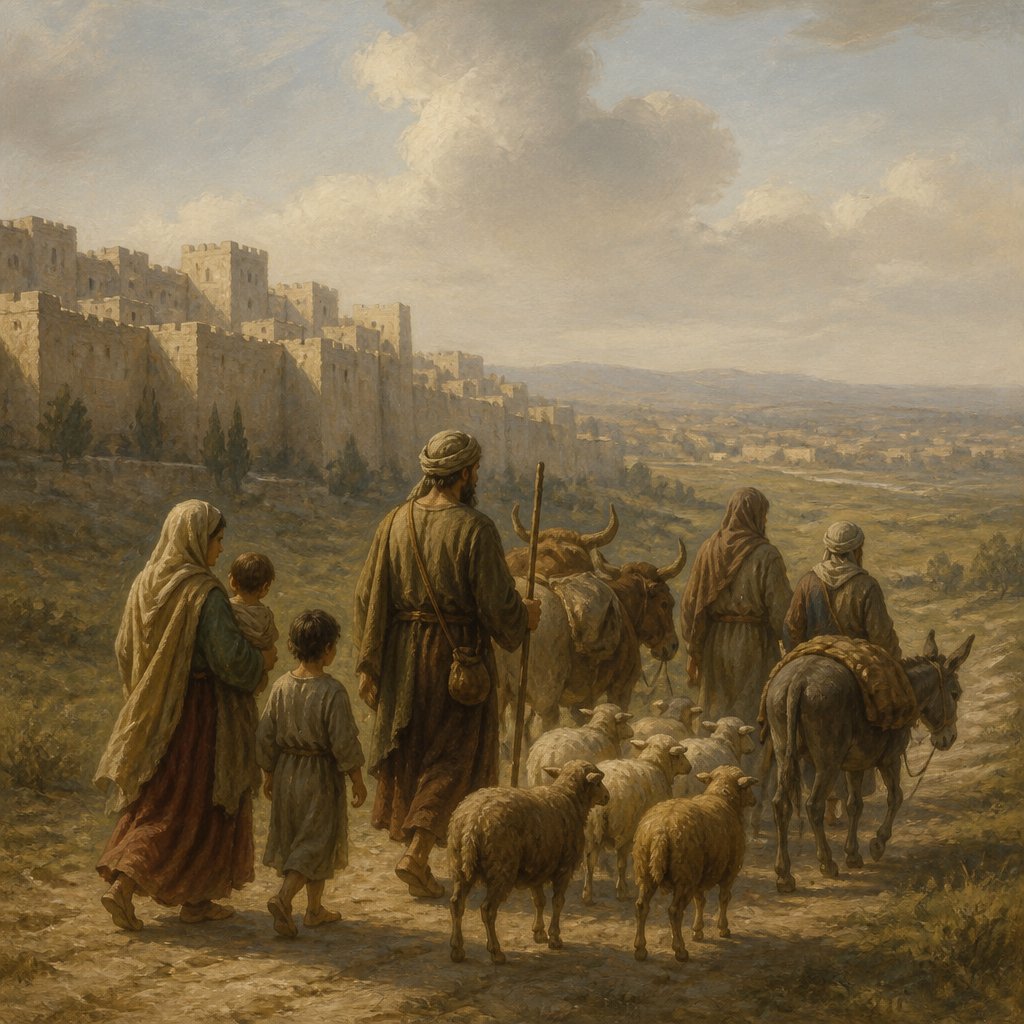
Genesis 34:28 (KJV) reads, "They took their sheep, and their oxen, and their asses, and that which was in the city, and that which was in the field."
This verse comes from the story of Dinah, the daughter of Leah and Jacob, in the book of Genesis. The verse is part of the aftermath of a tragic event in which Dinah is raped by Shechem, the son of Hamor the Hivite. In response to the rape, Dinah's brothers Simeon and Levi deceive Shechem and his people into getting circumcised, and then, while they are still in pain, they attack and kill all the men in the city. They also take everything of value from the city, as the verse describes.
The story of Dinah is a complex and morally challenging one. The actions of Simeon and Levi are harsh and controversial, and the consequences of their actions are severe. This verse, in particular, emphasizes the plundering of the city and the ruthlessness of the brothers' retribution. The verse, in its context, underscores the violent and vengeful nature of Simeon and Levi’s actions.
The themes in this verse and the surrounding story include the concepts of justice, vengeance, and the complexities of human morality. The actions of Simeon and Levi raise moral questions about the appropriate response to wrongdoing and the use of violence as a means of retribution. The verse also touches upon the idea of the consequences of one's actions, as the violent retribution of Simeon and Levi ultimately leads to negative repercussions for their family.
Additionally, the verse speaks to the broader themes of power dynamics and the use of force in the ancient world. It reveals the harsh realities of life in a society where strength and violence often determined one's fate. The plundering of the city serves as a symbol of the destructive capabilities of human beings and the devastating impact of conflict and retribution.
Furthermore, the verse can be interpreted symbolically, representing the idea of loss and destruction. The mention of the sheep, oxen, and asses, along with the possessions in the city and field, signifies the devastation wrought upon the community as a result of the violent actions taken by Simeon and Levi. The verse serves as a stark reminder of the widespread suffering and loss that can result from acts of aggression and vengeance.
In the larger context of the biblical narrative, the story of Dinah and the actions of Simeon and Levi serve as a cautionary tale about the dangers of unchecked anger and the destructive consequences of violent retaliation. It offers a sobering reflection on the complexities of human nature and the need for compassion, forgiveness, and reconciliation in the face of injustice.
In conclusion, Genesis 34:28 is a verse that conveys the aftermath of a violent and vengeful act, and it raises important moral and ethical questions about the use of force and the consequences of one's actions. The verse's themes of justice, vengeance, and the destructive nature of conflict resonate throughout the biblical narrative, offering valuable lessons and insights for readers today.
Get our apps


Artwork for Genesis 34:28

Genesis 34:28 - "They took their sheep, and their oxen, and their asses, and that which was in the city, and that which was in the field,"
"They took their sheep, and their oxen, and their asses, and that which was in the city, and that which was in the field," - Genesis 34:28

Exodus 28:31-34

Exodus 28:31-34

Exodus 28:31-34

Genesis 21-34

Genesis 19-34

Genesis 24-34

Numbers 34:28 - "And the prince of the tribe of the children of Naphtali, Pedahel the son of Ammihud."

Genesis 21:34 - "And Abraham sojourned in the Philistines' land many days."

Deuteronomy 28:34 - "So that thou shalt be mad for the sight of thine eyes which thou shalt see."

Exodus 28:34 - "A golden bell and a pomegranate, a golden bell and a pomegranate, upon the hem of the robe round about."

Job 34:28 - "So that they cause the cry of the poor to come unto him, and he heareth the cry of the afflicted."

Genesis 34:18 - "And their words pleased Hamor, and Shechem Hamor's son."

Genesis 24:34 - "And he said, I am Abraham's servant."

Genesis 28-15

Genesis 28-12

Genesis 28-16

Genesis 28-21

Genesis 28-22

Genesis 28-17

Genesis 21:28

Genesis 28:18

Genesis 24:28

Genesis 28:18

Genesis 28-20

Genesis 28-13

Genesis 28-19

Genesis 28-14

Genesis 28-11