What does Genesis 36:10 mean?
“These are the names of Esau’s sons; Eliphaz the son of Adah the wife of Esau, Reuel the son of Bashemath the wife of Esau.” — Genesis 36:10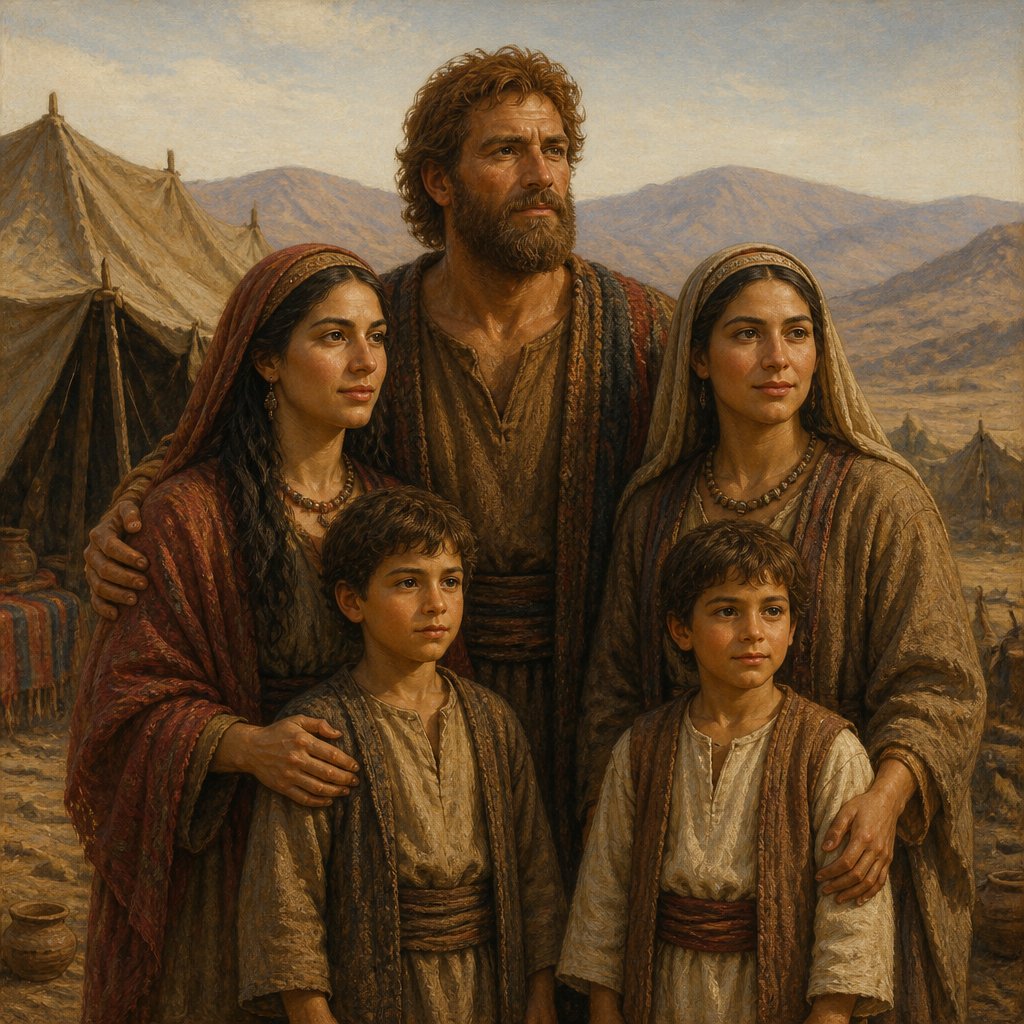
Genesis 36:10 KJV: "These are the names of Esau's sons. Eliphaz the son of Adah the wife of Esau, Reuel the son of Bashemath the wife of Esau"
The verse Genesis 36:10, from the King James Version of the Bible, is a seemingly straightforward passage that lists the names of Esau's sons. However, a closer examination reveals deeper meaning and symbolism within this verse, as well as its significance within the larger context of the Book of Genesis.
The Book of Genesis is the first book of the Bible and serves as a historical and theological account of the origins of the world, humanity, and the people of Israel. It is a foundational text for both Judaism and Christianity, and the stories and characters within it are rich with symbolism and meaning.
In the case of Genesis 36:10, the verse is part of a larger genealogy and lineage of Esau, the elder twin son of Isaac and the older brother of Jacob. Esau is depicted as a skilled hunter and a man of the outdoors, while his brother Jacob is more of a homebody and a "plain man" (Genesis 25:27, KJV). Their relationship is marked by conflict and competition, and it ultimately leads to Jacob deceiving Esau and receiving his father's blessing, causing deep animosity between the brothers.
The names of Esau's sons mentioned in this verse, Eliphaz and Reuel, are significant in their own rights. Eliphaz means "God is fine gold" or "My God is strength" in Hebrew, while Reuel means "friend of God" or "shepherd" in Hebrew. These names carry with them religious connotations and reflect the importance of faith and divine connection within the narrative of the Bible.
Furthermore, the fact that the verse specifies the mothers of Esau's sons, Adah and Bashemath, adds a layer of complexity and depth to the family dynamics within the lineage of Esau. In the Bible, the role of wives and mothers is crucial in establishing the lineage and inheritance of the family, and the inclusion of their names signifies their significance in the overall narrative.
In a broader sense, the mention of Esau's sons in this verse serves to highlight the continuation of the family line and the fulfillment of God's promises to the descendants of Isaac and Esau. It reinforces the theme of inheritance and lineage that runs throughout the Book of Genesis, as well as the broader biblical narrative.
Symbolically, the names of Esau's sons and their mothers can be interpreted as emblematic of the themes of faith, strength, and divine favor within the larger context of the Bible. The names also reflect the familial and spiritual complexities that characterize the relationships within the book and serve as a reminder of the interconnectedness of all the characters and their roles in the fulfillment of God's plan.
In conclusion, Genesis 36:10, while a seemingly simple verse on the surface, holds deep meaning and relevance within the larger context of the Book of Genesis and the Bible as a whole. It highlights the themes of lineage, faith, and divine favor, as well as the complex family dynamics and relationships that are central to the biblical narrative. Through its names and symbolism, the verse serves as a reminder of the enduring presence and influence of God throughout the lives of the characters in the Bible.
Get our apps


Artwork for Genesis 36:10

Genesis 36:10 - "These are the names of Esau's sons; Eliphaz the son of Adah the wife of Esau, Reuel the son of Bashemath the wife of Esau."
"These are the names of Esau's sons; Eliphaz the son of Adah the wife of Esau, Reuel the son of Bashemath the wife of Esau." - Genesis 36:10

Genesis 36:36 - "And Hadad died, and Samlah of Masrekah reigned in his stead."

Genesis 24:36

Genesis 19-36

Genesis 36:28 - "The children of Dishan are these; Uz, and Aran."

"And Hadad died, and Samlah of Masrekah reigned in his stead." - Genesis 36:36

Genesis 36:27 - "The children of Ezer are these; Bilhan, and Zaavan, and Akan."

Genesis 36:3 - "And Bashemath Ishmael's daughter, sister of Nebajoth."

Genesis 36:19 - "These are the sons of Esau, who is Edom, and these are their dukes."

Genesis 36:1 - "Now these are the generations of Esau, who is Edom."

Genesis 36:26 - "And these are the children of Dishon; Hemdan, and Eshban, and Ithran, and Cheran."

Genesis 36:42 - "Duke Kenaz, duke Teman, duke Mibzar,"

Genesis 36:9 - "¶ And these are the generations of Esau the father of the Edomites in mount Seir:"

Ezra 10:36 - "Vaniah, Meremoth, Eliashib,"

Genesis 36:41 - "Duke Aholibamah, duke Elah, duke Pinon,"

Genesis 36:8 - "Thus dwelt Esau in mount Seir: Esau is Edom."

Genesis 19:36 - "Thus were both the daughters of Lot with child by their father."

Genesis 36:25 - "And the children of Anah were these; Dishon, and Aholibamah the daughter of Anah."

Genesis 36:4 - "And Adah bare to Esau Eliphaz; and Bashemath bare Reuel;"

Genesis 36:11 - "And the sons of Eliphaz were Teman, Omar, Zepho, and Gatam, and Kenaz."

Genesis 36:23 - "And the children of Shobal were these; Alvan, and Manahath, and Ebal, Shepho, and Onam."

Genesis 36:34 - "And Jobab died, and Husham of the land of Temani reigned in his stead."

Genesis 36:22 - "And the children of Lotan were Hori and Hemam; and Lotan's sister was Timna."
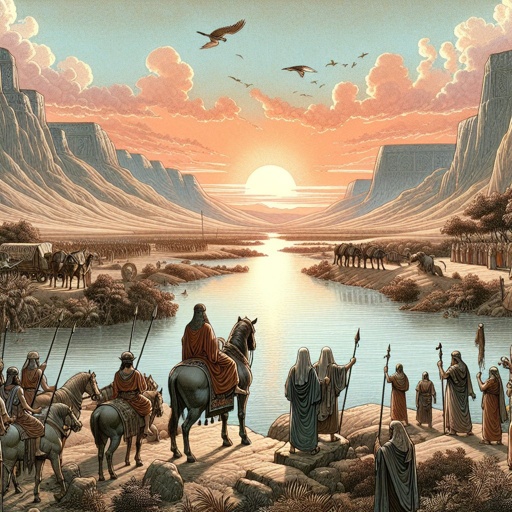
Genesis 36:37 - "And Samlah died, and Saul of Rehoboth by the river reigned in his stead."

Genesis 36:33 - "And Bela died, and Jobab the son of Zerah of Bozrah reigned in his stead."

Genesis 36:38 - "And Saul died, and Baal-hanan the son of Achbor reigned in his stead."

Matthew 10:36 - "And a man's foes shall be they of his own household."

Genesis 36:21 - "And Dishon, and Ezer, and Dishan: these are the dukes of the Horites, the children of Seir in the land of Edom."

Genesis 36:32 - "And Bela the son of Beor reigned in Edom: and the name of his city was Dinhabah."