What does Genesis 36:14 mean?
“And these were the sons of Aholibamah, the daughter of Anah the daughter of Zibeon, Esau’s wife: and she bare to Esau Jeush, and Jaalam, and Korah.” — Genesis 36:14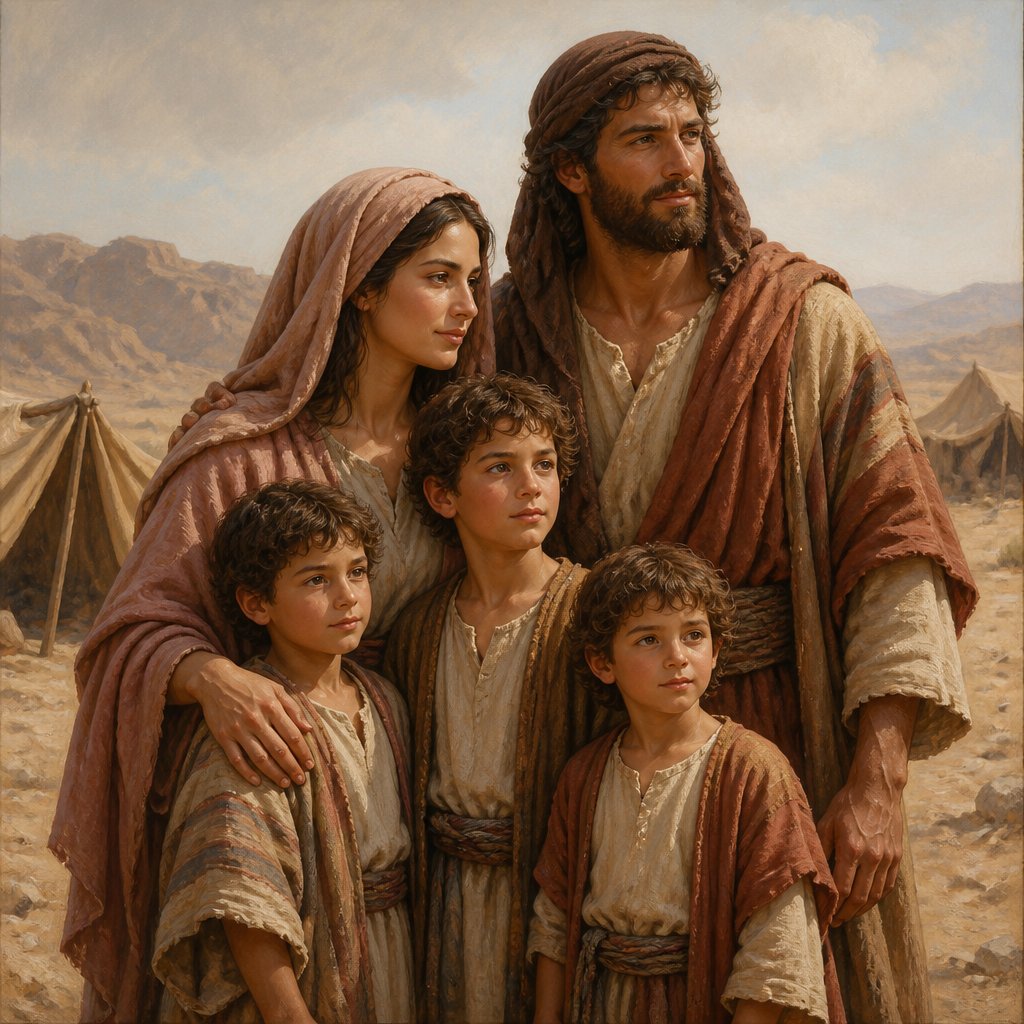
Genesis 36:14 (KJV) states: "And these were the dukes that came of the sons of Esau; the sons of Eliphaz the firstborn son of Esau; duke Teman, duke Omar, duke Zepho, duke Kenaz,"
This verse is part of the genealogy of Esau, the elder son of Isaac and the brother of Jacob. The entire chapter of Genesis 36 is dedicated to the descendants of Esau, outlining the genealogy of the Edomites, who were the descendants of Esau.
The verse lists the dukes that came from the sons of Esau, particularly the descendants of Eliphaz, who is the son of Esau and Adah. The term "duke" in this context refers to a ruler, leader, or chieftain. These dukes were important figures within their community and were responsible for leading and governing their people.
From a historical and contextual standpoint, this genealogy serves as a reminder of God's faithfulness in fulfilling His promises. It also provides insight into the lineage of Esau and the Edomites, which is significant in understanding the broader narrative of the Old Testament and the relationships between different tribes and nations in the region.
One of the key themes present in this verse and the surrounding passage is the sovereignty of God and His providential care over His people. Despite the focus on the descendants of Esau, it is important to note that God's plan and purpose are being worked out through these individuals, even though they may not be the direct descendants of the chosen line of Abraham, Isaac, and Jacob. This demonstrates God's sovereignty in orchestrating the history of His chosen people and using various nations and tribes to accomplish His will.
Another theme that can be derived from this verse is the importance of leadership and governance within a community. The mention of the dukes highlights the structure and organization of the Edomite society, and the responsibility that these leaders had in guiding and making decisions for their people. This theme of leadership is relevant in both a historical and contemporary context, as it emphasizes the significance of wise and responsible leadership for the well-being of a community.
In terms of symbolism, the names of the dukes mentioned in this verse also hold significance. For example, "Teman" means "right-hand," "Omar" means "talkative," "Zepho" means "watcher," and "Kenaz" means "hunter." These names may be symbolic of the characteristics or qualities associated with these individuals, and they add depth to the narrative by providing insight into the personalities and attributes of these leaders.
In conclusion, Genesis 36:14 offers a glimpse into the genealogy and leadership structure of the descendants of Esau. It serves as a reminder of God's faithfulness, the importance of responsible leadership, and the sovereignty of God in working out His purposes through various individuals and nations. Additionally, the symbolic aspects of the names of the dukes add depth to the narrative and provide insight into the qualities and characteristics of these ancient leaders. Overall, this verse contributes to the broader themes of the Old Testament and provides valuable historical and cultural context for understanding the biblical narrative.
Get our apps


Artwork for Genesis 36:14
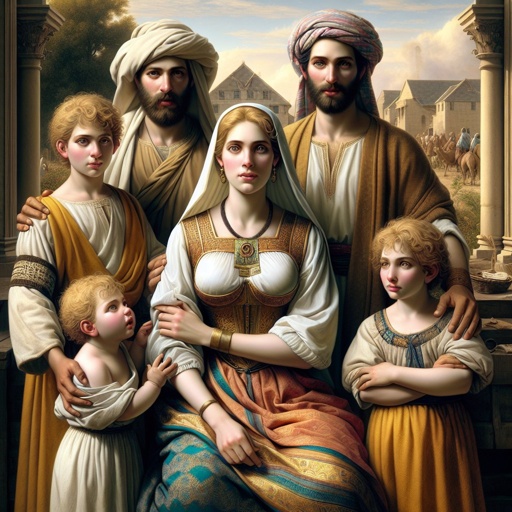
Genesis 36:14 - "¶ And these were the sons of Aholibamah, the daughter of Anah the daughter of Zibeon, Esau's wife: and she bare to Esau Jeush, and Jaalam, and Korah."
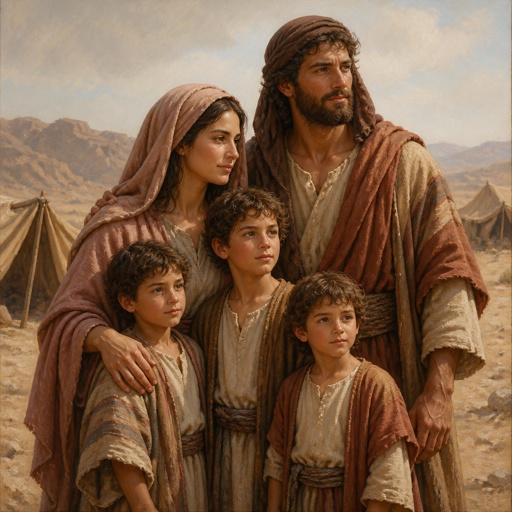
"¶ And these were the sons of Aholibamah, the daughter of Anah the daughter of Zibeon, Esau's wife: and she bare to Esau Jeush, and Jaalam, and Korah." - Genesis 36:14

Genesis 36:36 - "And Hadad died, and Samlah of Masrekah reigned in his stead."

Genesis 24:36

Genesis 19-36

Genesis 36:28 - "The children of Dishan are these; Uz, and Aran."

"And Hadad died, and Samlah of Masrekah reigned in his stead." - Genesis 36:36

Genesis 36:27 - "The children of Ezer are these; Bilhan, and Zaavan, and Akan."

1 Corinthians 14:36

1 Corinthians 14:36

Genesis 36:3 - "And Bashemath Ishmael's daughter, sister of Nebajoth."

Genesis 36:19 - "These are the sons of Esau, who is Edom, and these are their dukes."

Genesis 36:1 - "Now these are the generations of Esau, who is Edom."

Genesis 36:26 - "And these are the children of Dishon; Hemdan, and Eshban, and Ithran, and Cheran."

Genesis 36:42 - "Duke Kenaz, duke Teman, duke Mibzar,"

Genesis 36:9 - "¶ And these are the generations of Esau the father of the Edomites in mount Seir:"

Genesis 36:41 - "Duke Aholibamah, duke Elah, duke Pinon,"

Job 36:14 - "They die in youth, and their life is among the unclean."

Genesis 36:8 - "Thus dwelt Esau in mount Seir: Esau is Edom."

Genesis 19:36 - "Thus were both the daughters of Lot with child by their father."

Genesis 36:25 - "And the children of Anah were these; Dishon, and Aholibamah the daughter of Anah."

Genesis 36:4 - "And Adah bare to Esau Eliphaz; and Bashemath bare Reuel;"

1 Corinthians 14:36-40

1 Corinthians 14:36-37

Genesis 36:11 - "And the sons of Eliphaz were Teman, Omar, Zepho, and Gatam, and Kenaz."

Genesis 36:23 - "And the children of Shobal were these; Alvan, and Manahath, and Ebal, Shepho, and Onam."

Genesis 36:34 - "And Jobab died, and Husham of the land of Temani reigned in his stead."

Genesis 36:22 - "And the children of Lotan were Hori and Hemam; and Lotan's sister was Timna."
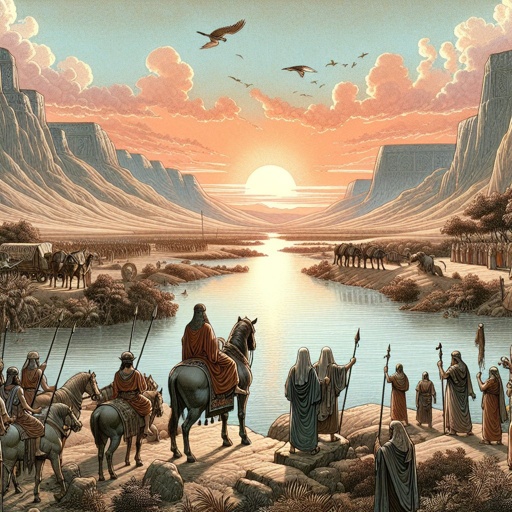
Genesis 36:37 - "And Samlah died, and Saul of Rehoboth by the river reigned in his stead."

Genesis 36:33 - "And Bela died, and Jobab the son of Zerah of Bozrah reigned in his stead."