What does Genesis 36:22 mean?
“And the children of Lotan were Hori and Hemam; and Lotan’s sister was Timna.” — Genesis 36:22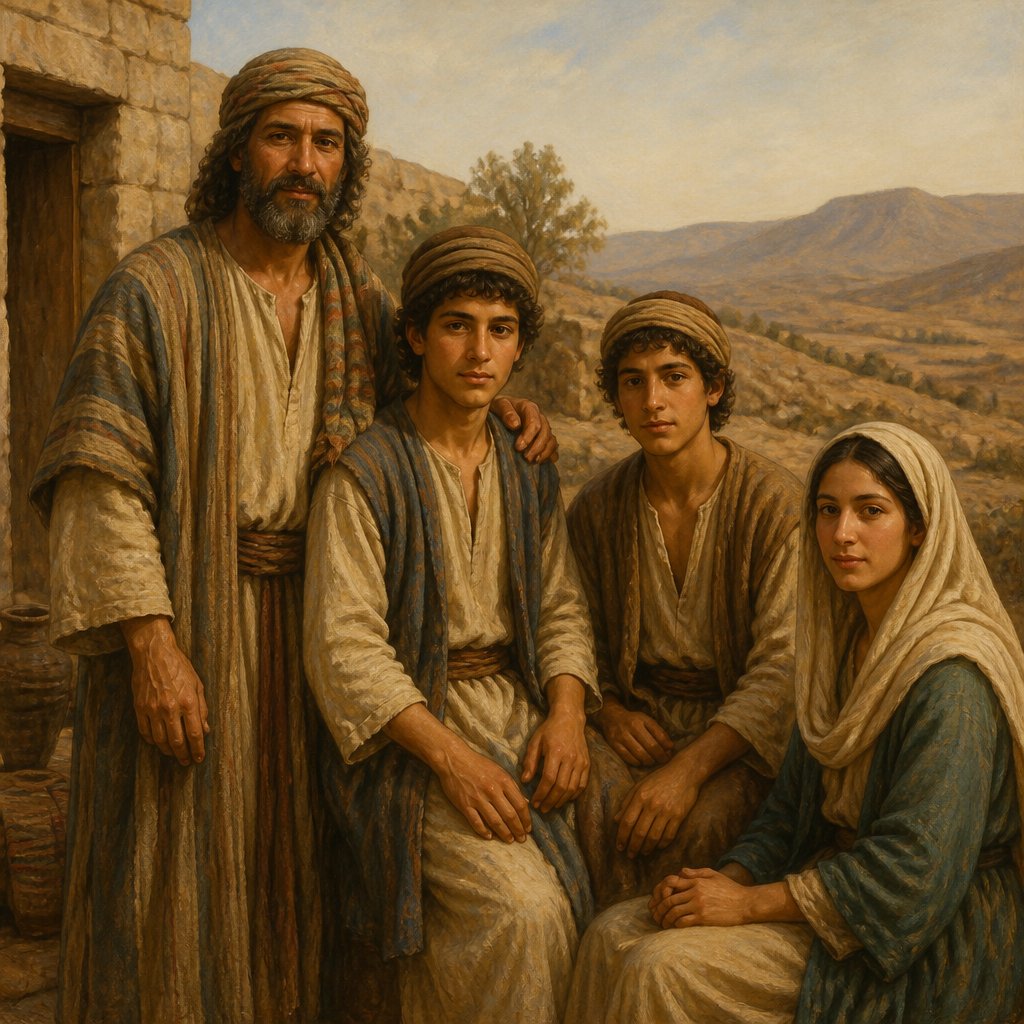
Genesis 36:22 (KJV) reads, "And the children of Lotan were Hori and Hemam; and Lotan's sister was Timna."
To fully understand the significance of this verse, it is essential to dive into the context of the book of Genesis, as well as the symbolism and themes present in this passage.
The book of Genesis is the first book of the Bible and is often referred to as the "book of beginnings." It covers a wide range of topics, including the creation of the world, the fall of man, the flood, and the lives of the patriarchs. Genesis provides the foundation for many core biblical doctrines and contains several prominent themes, including the sovereignty of God, the consequences of sin, the importance of faith, and the fulfillment of God's promises.
Genesis 36:22 is located within the genealogy of Esau, the eldest son of Isaac and the twin brother of Jacob. This chapter documents the genealogy of Esau, also known as Edom, and details the various clans and chiefs that descended from him. The verse specifically mentions the children of Lotan, who was one of Esau's sons. The names of Lotan's children, Hori and Hemam, as well as his sister Timna, may seem inconsequential at first glance, but they are recorded for a purpose.
One of the overarching themes in the book of Genesis is the unfolding of God's plan through the lives of individuals and their descendants. This verse is a part of that overarching theme, as it provides insight into the lineage of Esau and the establishment of the nation of Edom. Despite the seemingly mundane nature of genealogical records, they serve to illustrate the fulfillment of God's promises to Abraham, Isaac, and Jacob regarding the multiplication of their descendants.
From a symbolic standpoint, the names Hori, Hemam, and Timna are also significant. In Hebrew culture, names often carried deep meanings and conveyed aspects of an individual's character, destiny, or circumstances. While the specific meanings of these names are not explicitly provided in the verse, the fact that they are recorded indicates their importance in the lineage of Edom.
Furthermore, the mention of Timna as Lotan's sister may hold symbolic significance. In biblical genealogies, it is not uncommon for women to be included to denote their role in shaping the family line or to highlight significant relationships. Timna's presence in this verse may serve as a reminder of the interconnectedness of individuals within a family and the role of women in the lineage of Edom.
In addition to the historical and symbolic significance, this verse also points to the faithfulness of God in preserving and fulfilling his promises to the patriarchs. The meticulous documentation of genealogies in the Bible serves to demonstrate the intricate tapestry of God's plan unfolding over generations. It underscores the continuity of God's covenant with his people and his sovereign control over human history.
In conclusion, Genesis 36:22 may appear to be a simple genealogical record, but it carries rich layers of meaning within the broader context of the book of Genesis. It provides insight into the lineage of Esau, the establishment of the nation of Edom, and the fulfillment of God's promises. The names mentioned in the verse, while not explicitly explained, carry symbolic significance that contributes to the overall narrative. Ultimately, this verse serves as a testament to the faithfulness of God in preserving and fulfilling his promises through the generations.
Get our apps


Artwork for Genesis 36:22

Genesis 36:22 - "And the children of Lotan were Hori and Hemam; and Lotan's sister was Timna."
"And the children of Lotan were Hori and Hemam; and Lotan's sister was Timna." - Genesis 36:22

Genesis 36:36 - "And Hadad died, and Samlah of Masrekah reigned in his stead."

Genesis 24:36

Genesis 19-36

2 Chronicles 36:22

Proverbs 8:22-36

Matthew 22:36 - "Master, which is the great commandment in the law?"

Genesis 36:28 - "The children of Dishan are these; Uz, and Aran."

"And Hadad died, and Samlah of Masrekah reigned in his stead." - Genesis 36:36

Genesis 36:27 - "The children of Ezer are these; Bilhan, and Zaavan, and Akan."

Genesis 36:19 - "These are the sons of Esau, who is Edom, and these are their dukes."

Genesis 36:3 - "And Bashemath Ishmael's daughter, sister of Nebajoth."

Genesis 36:1 - "Now these are the generations of Esau, who is Edom."

Genesis 36:26 - "And these are the children of Dishon; Hemdan, and Eshban, and Ithran, and Cheran."

Genesis 36:42 - "Duke Kenaz, duke Teman, duke Mibzar,"

Genesis 36:9 - "¶ And these are the generations of Esau the father of the Edomites in mount Seir:"

Genesis 36:41 - "Duke Aholibamah, duke Elah, duke Pinon,"

Genesis 19:36 - "Thus were both the daughters of Lot with child by their father."

Genesis 36:8 - "Thus dwelt Esau in mount Seir: Esau is Edom."

Genesis 22-22

Genesis 36:25 - "And the children of Anah were these; Dishon, and Aholibamah the daughter of Anah."

Genesis 36:4 - "And Adah bare to Esau Eliphaz; and Bashemath bare Reuel;"

Genesis 36:11 - "And the sons of Eliphaz were Teman, Omar, Zepho, and Gatam, and Kenaz."

Job 36:22 - "Behold, God exalteth by his power: who teacheth like him?"

Genesis 36:23 - "And the children of Shobal were these; Alvan, and Manahath, and Ebal, Shepho, and Onam."

Genesis 36:34 - "And Jobab died, and Husham of the land of Temani reigned in his stead."
Genesis 36:37 - "And Samlah died, and Saul of Rehoboth by the river reigned in his stead."

Genesis 36:33 - "And Bela died, and Jobab the son of Zerah of Bozrah reigned in his stead."

Genesis 36:38 - "And Saul died, and Baal-hanan the son of Achbor reigned in his stead."