What does Genesis 36:31 mean?
“And these are the kings that reigned in the land of Edom, before there reigned any king over the children of Israel.” — Genesis 36:31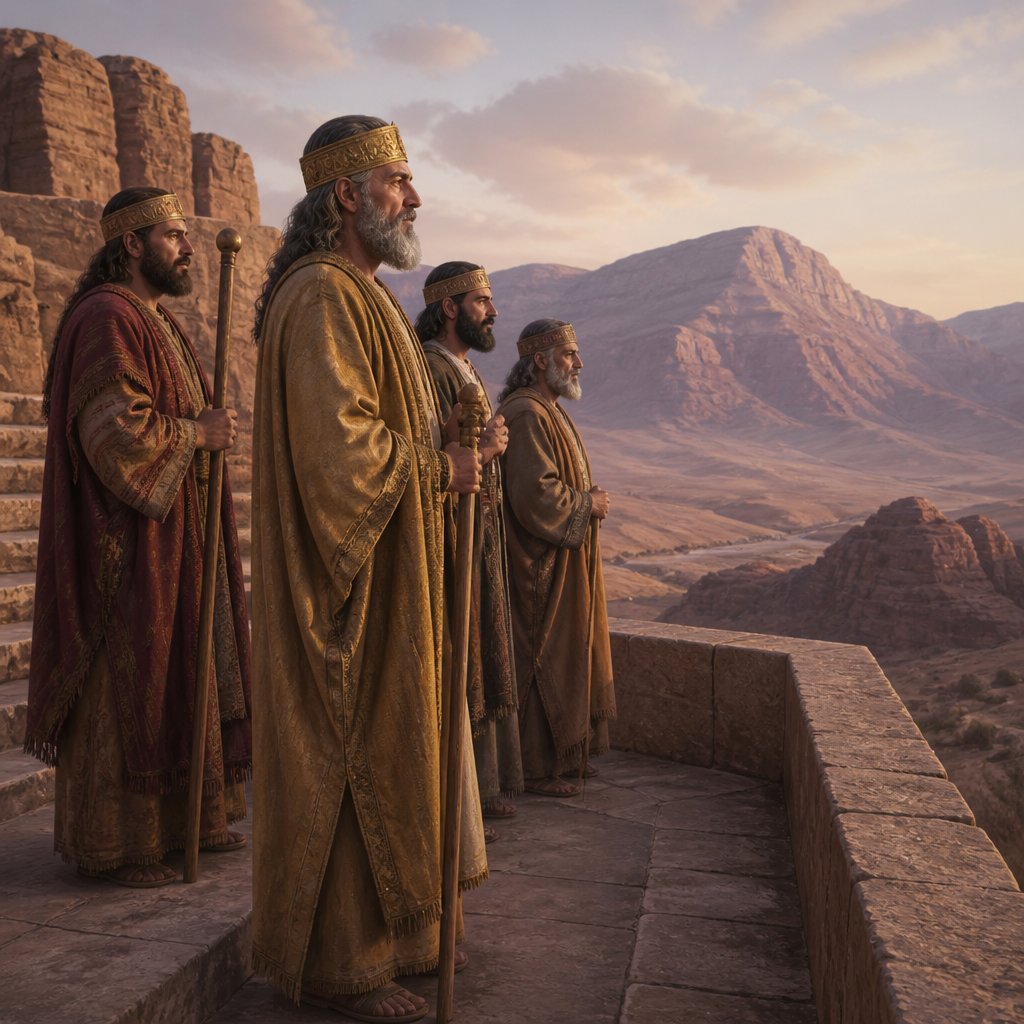
Genesis 36:31 (KJV) - "And these are the kings that reigned in the land of Edom, before there reigned any king over the children of Israel."
This verse from the book of Genesis is a part of the genealogy of Esau, the elder twin son of Isaac and Rebekah, and the brother of Jacob. The chapter details the family history and genealogy of Esau, including the line of the Edomites, who were the descendants of Esau. The verse lists the kings who reigned in the land of Edom before there was a king over the children of Israel. This genealogy serves as a historical record of the Edomites, as well as a reminder of God's faithfulness to His covenant promises to the descendants of Esau.
The theme of kingship and rulership is prevalent in this verse, as it highlights the establishment of royal leadership in the ancient land of Edom. The verse also draws a parallel between the rise of kings in Edom and the future kingship of Israel. It is worth noting that while the Edomites had kings ruling over them, the Israelites were governed by judges and prophets for a significant period before they eventually established a monarchy.
The context of this verse is significant as it points to the fulfillment of God's promises to the descendants of Esau. In Genesis 25:23, when Rebekah was pregnant with Jacob and Esau, the Lord had told her that "Two nations are in thy womb, and two manner of people shall be separated from thy bowels; and the one people shall be stronger than the other people; and the elder shall serve the younger." This prophecy indicated that the descendants of Esau would become a great nation with kings of their own, and this verse in Genesis 36:31 reflects the fulfillment of that prophecy.
The symbolism in this verse lies in the historical and prophetic significance of the genealogy of Esau and the Edomites. It serves as a reminder of God's sovereignty and His faithfulness to His promises. The fact that the Edomites had kings before the Israelites further emphasizes the fulfillment of the prophecy regarding the two nations and the dominance of the younger over the elder, as Jacob's descendants would eventually establish a kingdom under King David.
In a broader sense, this verse also symbolizes the divine plan and timing of God's purposes. It illustrates that the rise of kings in Edom occurred before there was a king over the children of Israel, indicating that God's timing is perfect and His plans unfold according to His will. It also underscores the different paths and destinies of the descendants of Esau and Jacob, demonstrating God's intricate involvement in the history of His chosen people.
Overall, Genesis 36:31 is a verse that encapsulates the themes of kingship, fulfillment of prophecy, and God's faithfulness. It sheds light on the historical and spiritual significance of the genealogy of Esau, while also emphasizing the divine plan and timing of God's purposes. As part of the broader narrative of Genesis, this verse serves to remind believers of God's sovereignty and the fulfillment of His promises throughout history.
Get our apps


Artwork for Genesis 36:31

Genesis 36:31 - "¶ And these are the kings that reigned in the land of Edom, before there reigned any king over the children of Israel."
"¶ And these are the kings that reigned in the land of Edom, before there reigned any king over the children of Israel." - Genesis 36:31

Genesis 31:36 - "¶ And Jacob was wroth, and chode with Laban: and Jacob answered and said to Laban, What is my trespass? what is my sin, that thou hast so hotly pursued after me?"

Genesis 36:36 - "And Hadad died, and Samlah of Masrekah reigned in his stead."

Job 36:31 - "For by them judgeth he the people; he giveth meat in abundance."

Genesis 24:36

Genesis 19-36

Job 31:36 - "Surely I would take it upon my shoulder, and bind it as a crown to me."

Exodus 36:31 - "¶ And he made bars of shittim wood; five for the boards of the one side of the tabernacle,"

Genesis 36:28 - "The children of Dishan are these; Uz, and Aran."

"And Hadad died, and Samlah of Masrekah reigned in his stead." - Genesis 36:36

Genesis 36:27 - "The children of Ezer are these; Bilhan, and Zaavan, and Akan."

Genesis 36:3 - "And Bashemath Ishmael's daughter, sister of Nebajoth."

Genesis 36:19 - "These are the sons of Esau, who is Edom, and these are their dukes."

Genesis 36:1 - "Now these are the generations of Esau, who is Edom."

Genesis 21-31

Genesis 18-31

Genesis 31:35

Genesis 36:26 - "And these are the children of Dishon; Hemdan, and Eshban, and Ithran, and Cheran."

Genesis 36:42 - "Duke Kenaz, duke Teman, duke Mibzar,"

Genesis 36:9 - "¶ And these are the generations of Esau the father of the Edomites in mount Seir:"

Genesis 19-31

Genesis 24-31

Genesis 36:41 - "Duke Aholibamah, duke Elah, duke Pinon,"

Genesis 36:8 - "Thus dwelt Esau in mount Seir: Esau is Edom."

Genesis 19:36 - "Thus were both the daughters of Lot with child by their father."
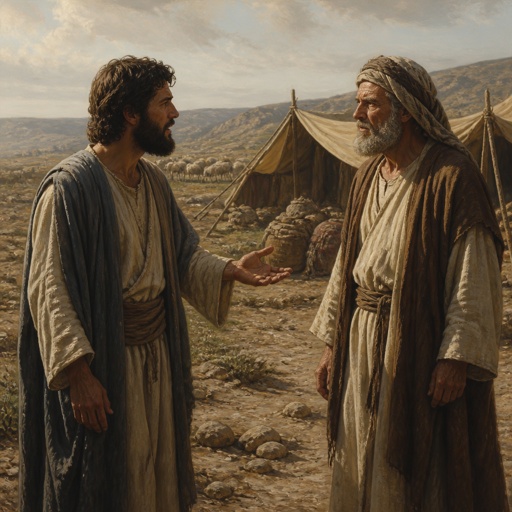
"¶ And Jacob was wroth, and chode with Laban: and Jacob answered and said to Laban, What is my trespass? what is my sin, that thou hast so hotly pursued after me?" - Genesis 31:36

Genesis 36:25 - "And the children of Anah were these; Dishon, and Aholibamah the daughter of Anah."

Genesis 36:4 - "And Adah bare to Esau Eliphaz; and Bashemath bare Reuel;"

Genesis 36:11 - "And the sons of Eliphaz were Teman, Omar, Zepho, and Gatam, and Kenaz."