What does Genesis 36:1 mean?
“Now these are the generations of Esau, who is Edom.” — Genesis 36:1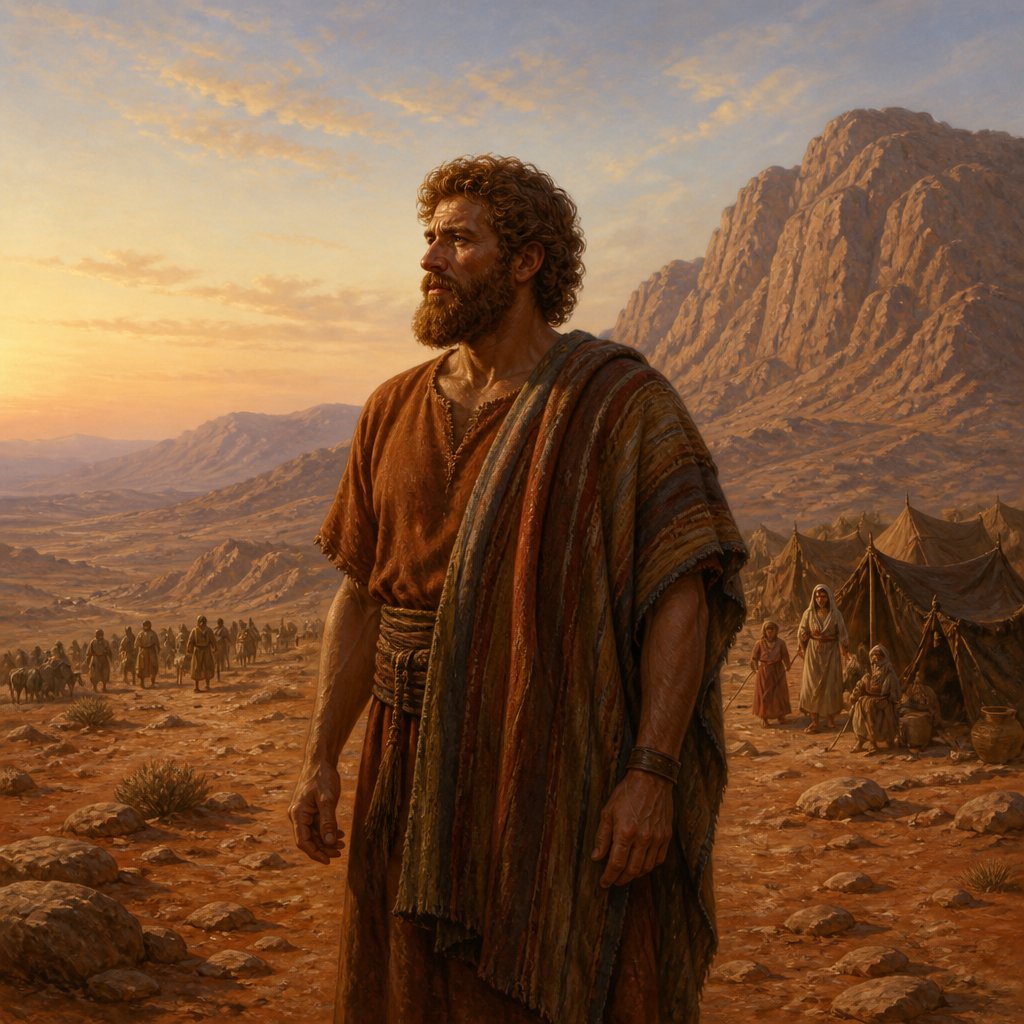
Genesis 36:1 (KJV) – “Now these are the generations of Esau, who is Edom.”
The book of Genesis is the first book of the Bible and is filled with stories of the beginnings of the world, the origins of humanity, and the lives of the patriarchs. In Genesis 36:1, we are introduced to Esau, who is also known as Edom. This verse is the start of a new section within the book, one that focuses on the descendants of Esau. This verse serves as an introduction to the genealogy and origins of the Edomites, one of the neighboring nations of ancient Israel.
The theme of genealogy and lineage is a recurring theme throughout the book of Genesis, as it is important to establish the origins and connections of the characters that will play a significant role in the future of the nation of Israel. This verse sets the stage for the importance of understanding the lineage of the Edomites, as they will interact with the descendants of Jacob, Esau's brother, in significant ways throughout the biblical narrative.
Esau's story begins in Genesis 25, where he is described as the older twin brother of Jacob. Esau is portrayed as a rugged outdoorsman, a hunter, and his father Isaac's favorite. However, he is also impulsive and fails to honor his birthright, which ultimately leads to Jacob receiving the blessings from his father Isaac as well. Esau's life is characterized by his relationship with his brother, Jacob, and their eventual reconciliation is a major theme in their shared story.
The name "Edom" means red, which is significant as Esau is described as being "red" and "ruddy" at birth in Genesis 25. This symbolism is further emphasized as Esau becomes the father of the Edomites, and his descendants become known as the Edomites, named after their ancestor. This emphasizes the continuity of Esau's character and identity as it is carried on through his descendants.
The mention of generations and the lineage of Esau in Genesis 36:1 also serves as a reminder of the faithfulness of God in fulfilling His promises. The descendants of Esau were also part of God's covenant with Abraham, as the Edomites were a mighty nation inhabiting the land that God had promised. This genealogy is an important aspect of the biblical narrative, as it demonstrates the fulfillment of God's promises to the patriarchs and the continuity of His plan for his chosen people.
The context of Genesis 36:1 is set within the larger narrative of the book of Genesis, which focuses on the beginnings and the establishment of the nation of Israel. The genealogy of Esau is significant in understanding the history of the Edomites and their relationships with the people of Israel. The mention of Esau's lineage serves as a bridge connecting the patriarchal narratives to the larger historical context of ancient Israel and its neighboring nations.
In conclusion, Genesis 36:1 serves as an important introduction to the genealogy of Esau and the establishment of the Edomites as a significant nation in biblical history. This verse emphasizes the continuity of Esau's character and identity through his descendants and the fulfillment of God's promises to the patriarchs. The mention of the generations of Esau also serves as a reminder of the faithfulness of God in fulfilling His promises and the larger historical context of ancient Israel and its neighboring nations.
Get our apps


Artwork for Genesis 36:1

Genesis 36:1 - "Now these are the generations of Esau, who is Edom."
"Now these are the generations of Esau, who is Edom." - Genesis 36:1

Genesis 36:36 - "And Hadad died, and Samlah of Masrekah reigned in his stead."

Genesis 24:36

Genesis 19-36

Genesis 36:28 - "The children of Dishan are these; Uz, and Aran."

"And Hadad died, and Samlah of Masrekah reigned in his stead." - Genesis 36:36

Genesis 36:27 - "The children of Ezer are these; Bilhan, and Zaavan, and Akan."

Genesis 36:3 - "And Bashemath Ishmael's daughter, sister of Nebajoth."

Genesis 36:19 - "These are the sons of Esau, who is Edom, and these are their dukes."

Genesis 36:26 - "And these are the children of Dishon; Hemdan, and Eshban, and Ithran, and Cheran."

Genesis 36:42 - "Duke Kenaz, duke Teman, duke Mibzar,"

Genesis 36:9 - "¶ And these are the generations of Esau the father of the Edomites in mount Seir:"

Genesis 36:41 - "Duke Aholibamah, duke Elah, duke Pinon,"

Genesis 36:8 - "Thus dwelt Esau in mount Seir: Esau is Edom."

Genesis 19:36 - "Thus were both the daughters of Lot with child by their father."

Genesis 36:25 - "And the children of Anah were these; Dishon, and Aholibamah the daughter of Anah."

Genesis 36:4 - "And Adah bare to Esau Eliphaz; and Bashemath bare Reuel;"

Genesis 36:11 - "And the sons of Eliphaz were Teman, Omar, Zepho, and Gatam, and Kenaz."

Genesis 36:23 - "And the children of Shobal were these; Alvan, and Manahath, and Ebal, Shepho, and Onam."

Genesis 36:34 - "And Jobab died, and Husham of the land of Temani reigned in his stead."

Genesis 36:22 - "And the children of Lotan were Hori and Hemam; and Lotan's sister was Timna."
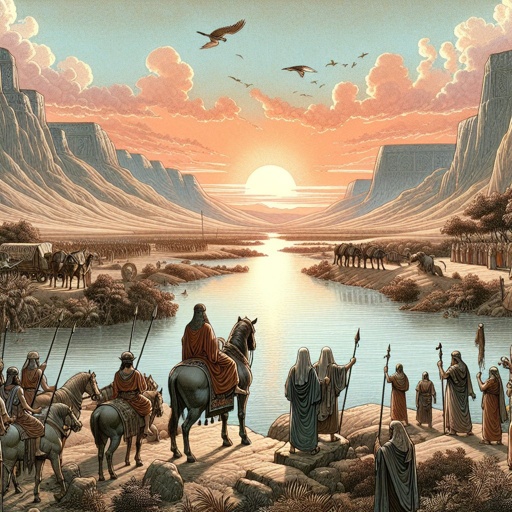
Genesis 36:37 - "And Samlah died, and Saul of Rehoboth by the river reigned in his stead."

Genesis 36:33 - "And Bela died, and Jobab the son of Zerah of Bozrah reigned in his stead."

Genesis 36:38 - "And Saul died, and Baal-hanan the son of Achbor reigned in his stead."

Genesis 36:21 - "And Dishon, and Ezer, and Dishan: these are the dukes of the Horites, the children of Seir in the land of Edom."

Genesis 36:32 - "And Bela the son of Beor reigned in Edom: and the name of his city was Dinhabah."

"The children of Dishan are these; Uz, and Aran." - Genesis 36:28

Genesis 37:36 - "And the Midianites sold him into Egypt unto Potiphar, an officer of Pharaoh's, and captain of the guard."

Genesis 36:20 - "¶ These are the sons of Seir the Horite, who inhabited the land; Lotan, and Shobal, and Zibeon, and Anah,"