What does Genesis 4:22 mean?
“And Zillah, she also bare Tubal-cain, an instructer of every artificer in brass and iron: and the sister of Tubal-cain was Naamah.” — Genesis 4:22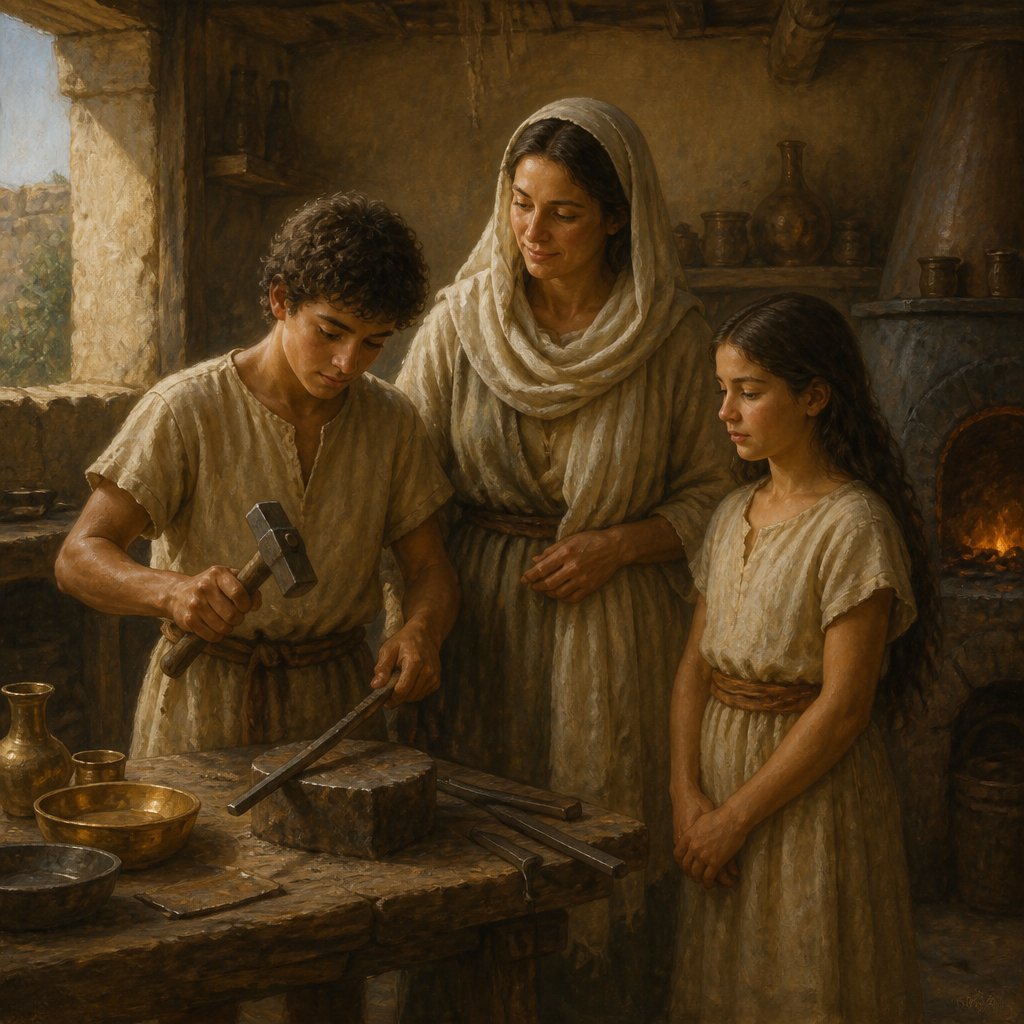
Genesis 4:22 - "And Zillah, she also bare Tubalcain, an instructor of every artificer in brass and iron: and the sister of Tubalcain was Naamah."
This verse comes from the book of Genesis in the Old Testament and is part of the genealogy of Cain, who was the firstborn son of Adam and Eve. This passage specifically focuses on the descendants of Cain and the skills and trades that they developed.
The verse begins with Zillah, who is mentioned in the Bible as one of the wives of Lamech, a descendant of Cain. Zillah gives birth to a son named Tubalcain, who is described as an "instructor of every artificer in brass and iron." This means that Tubalcain was a metalworker and a craftsman who had a deep understanding of working with metals such as brass and iron. This was a significant skill in ancient times, as the ability to create tools, weapons, and other objects from metal was highly valued.
The verse also mentions that Tubalcain had a sister named Naamah. While not much is known about Naamah from the Bible, she is often associated with beauty and grace. In some traditions, she is seen as a righteous woman, while in others, she is viewed as a symbol of idolatry and arrogance.
The story of Tubalcain and Naamah is significant for several reasons. Firstly, it highlights the technological advancements and cultural developments that occurred in the early days of human civilization. The ability to work with metals and create tools and weapons would have been crucial for the survival and progress of early societies.
Secondly, this verse also illustrates the division between the descendants of Cain and those of his brother, Abel. In the following chapter, Genesis 4:24-25, it is mentioned that Lamech, the father of Tubalcain and Naamah, is a descendant of Cain and is marked as a violent and vengeful figure. This stands in stark contrast to the lineage of Seth, the son born to Adam and Eve after the murder of Abel. Seth's descendants are portrayed as righteous and godly individuals.
In terms of symbolism, Tubalcain and Naamah can be seen as representing the dual nature of human capabilities. On one hand, Tubalcain's skill as a blacksmith and metalworker symbolizes humanity's ability to create and innovate, using the resources of the earth to improve their lives. On the other hand, Naamah's unnamed attributes and her association with Cain's lineage may symbolize the potential for human pride, self-sufficiency, and worldly success without regard for God.
In terms of broader themes, this verse speaks to the complex and often conflicting nature of human existence. It reflects the duality between good and evil, as well as the tension between human achievements and the potential for arrogance and sin. It also highlights the importance of skilled labor and craftsmanship in human society, as well as the role of technology and innovation in shaping human civilization.
Overall, Genesis 4:22 provides a brief but significant glimpse into the early development of human civilization and the complexities of human nature. It serves as a reminder of the dual potential of humanity, both for good and for ill, and the importance of recognizing and reconciling these opposing forces.
Get our apps


Artwork for Genesis 4:22

Genesis 4:22 - "And Zillah, she also bare Tubal-cain, an instructer of every artificer in brass and iron: and the sister of Tubal-cain was Naamah."
"And Zillah, she also bare Tubal-cain, an instructer of every artificer in brass and iron: and the sister of Tubal-cain was Naamah." - Genesis 4:22

Genesis 22-4

Genesis 22:4 - "Then on the third day Abraham lifted up his eyes, and saw the place afar off."

Genesis 22-22

Genesis 22:22 - "And Chesed, and Hazo, and Pildash, and Jidlaph, and Bethuel."
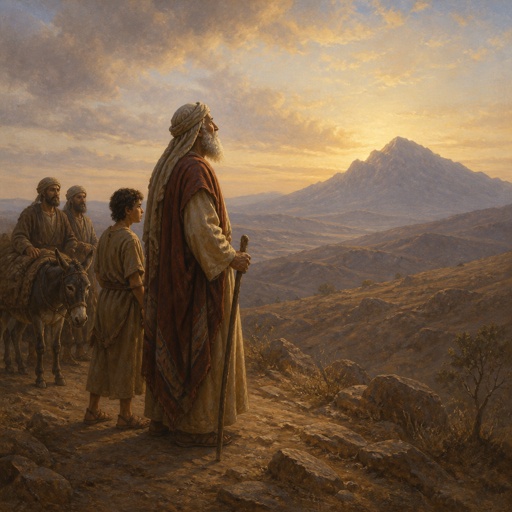
"Then on the third day Abraham lifted up his eyes, and saw the place afar off." - Genesis 22:4

Genesis 22

Genesis 22 14

Genesis 21:22

Genesis 18-22

Genesis 22-9

Genesis 22-8

Genesis 22:15

Genesis 22-12

Genesis 28-22

Genesis 22-10

Genesis 22-16

Genesis 22-23

Genesis 22-21

Genesis 22-7

Genesis 17-22

Genesis 19-22

Genesis 22-14

Genesis 22-17

Genesis 22:1

Genesis 22-20

Genesis 22:11

Genesis 22-18

Genesis 24-22