What does Genesis 4:6 mean?
“And the LORD said unto Cain, Why art thou wroth? and why is thy countenance fallen?” — Genesis 4:6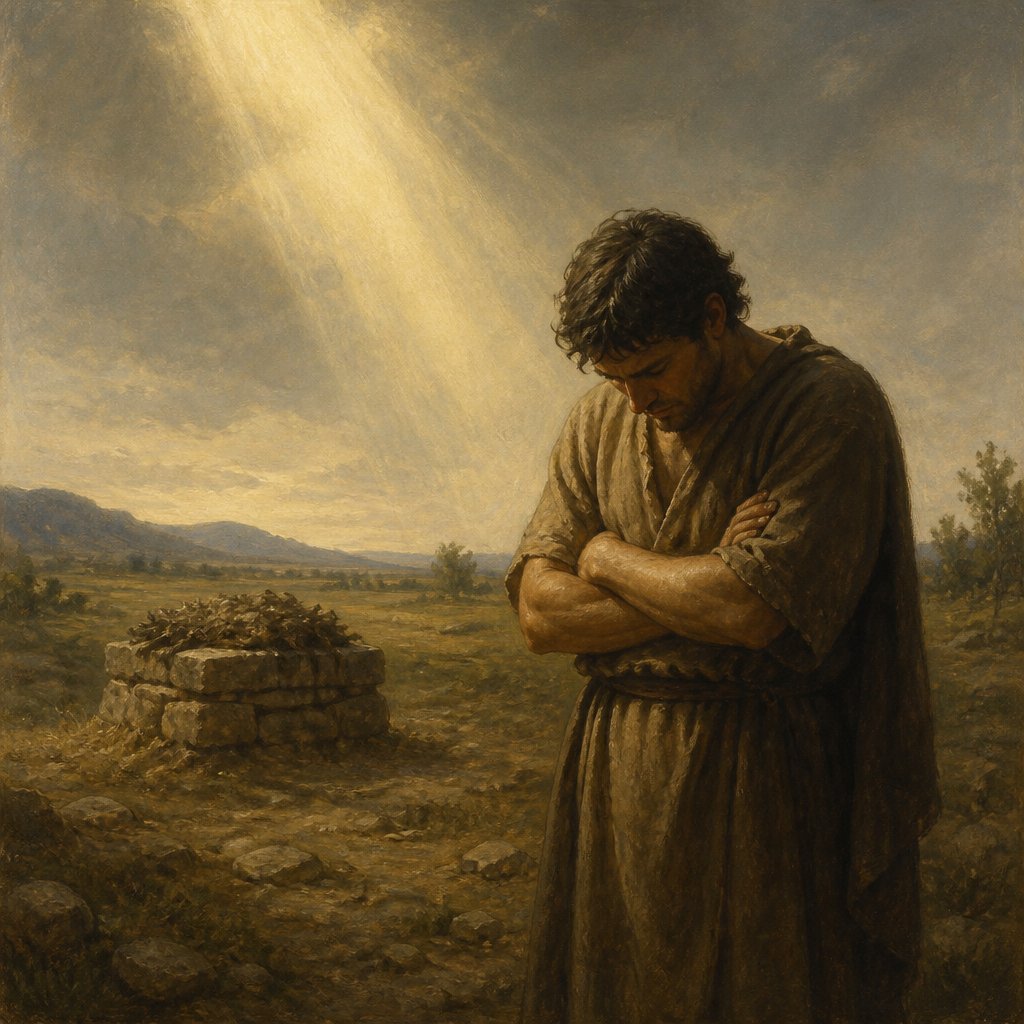
Genesis 4:6 in the King James Version of the Bible reads, "And the Lord said unto Cain, Why art thou wroth? and why is thy countenance fallen?" This verse is part of the story of Cain and Abel, which is one of the most well-known narratives in the Bible. This story delves into important themes such as jealousy, anger, and the consequences of sin.
The context of this verse is crucial to understanding its meaning. Cain and Abel were the sons of Adam and Eve, and both offered sacrifices to the Lord. Abel's sacrifice was accepted while Cain's was not. This rejection led to jealousy and anger in Cain, as he felt unappreciated and overlooked by God. The verse captures the moment when the Lord confronts Cain about his feelings, questioning why he is so angry and why his mood has darkened.
The verse reflects important themes, the first being the destructive power of jealousy and anger. Cain's jealousy towards his brother Abel led him to commit the first murder in the Bible. The verse highlights the consequences of unchecked negative emotions and the importance of addressing them before they lead to sinful actions. Secondly, the verse speaks to the idea of accountability. God holds Cain accountable for his emotions and challenges him to reflect on the source of his anger. This theme of personal responsibility and accountability is evident throughout the Bible.
Furthermore, the verse also exemplifies God's mercy and grace. Despite Cain's sinful feelings and actions, God addresses him directly and gives him an opportunity to acknowledge and reconcile his emotions. This reflects God's willingness to engage with and guide His people, even in their moments of darkness and sin.
Symbolism is also present in this verse. Cain's fallen countenance can be seen as a symbolic representation of his inner turmoil and spiritual separation from God. His anger has clouded his relationship with both God and his brother, leading to a visible change in his demeanor. Thus, the fallen countenance can be interpreted as a symbol of the spiritual and emotional consequences of sin.
In a larger theological context, this verse emphasizes the importance of managing our emotions and actions. It reminds believers of the destructive power of jealousy and anger and the need to address these emotions through self-reflection, prayer, and seeking God's guidance. The verse also establishes the foundational concept of personal accountability and the importance of taking responsibility for one's emotions and actions.
Overall, Genesis 4:6 in the King James Version of the Bible encapsulates timeless and universal themes that are relevant to the human experience. It invites readers to consider the consequences of jealousy and anger, the importance of personal accountability, and the mercy and grace of God. It serves as a powerful reminder of the need to address and manage our negative emotions, seeking reconciliation and restoration in our relationship with God and others.
Get our apps


Artwork for Genesis 4:6

Genesis 4:6 - "And the LORD said unto Cain, Why art thou wroth? and why is thy countenance fallen?"
"And the LORD said unto Cain, Why art thou wroth? and why is thy countenance fallen?" - Genesis 4:6

Genesis 6:4

Genesis 6: 4

Genesis 6:4 - "There were giants in the earth in those days; and also after that, when the sons of God came in unto the daughters of men, and they bare children to them, the same became mighty men which were of old, men of renown."

Genesis 1:6-8

Genesis 1:6-8

Genesis 19-6

Genesis 29-6

Genesis 18-6

Genesis 17:6

Genesis 23-6

Genesis 18-6

Genesis 16:6

Genesis 25-6

Genesis 21-6

Genesis 20-6

genesis 22:6

Genesis chapter 6

Genesis 24-6

Genesis 22:6

Genesis 6:6 - "And it repented the LORD that he had made man on the earth, and it grieved him at his heart."

Genesis 23-4

Genesis 20-4

Genesis 21-4

Genesis 17:4

Genesis 22-4

Genesis 18-4

Genesis 26:6 - "¶ And Isaac dwelt in Gerar:"

Genesis 29-4