What does Genesis 41:52 mean?
“And the name of the second called he Ephraim: For God hath caused me to be fruitful in the land of my affliction.” — Genesis 41:52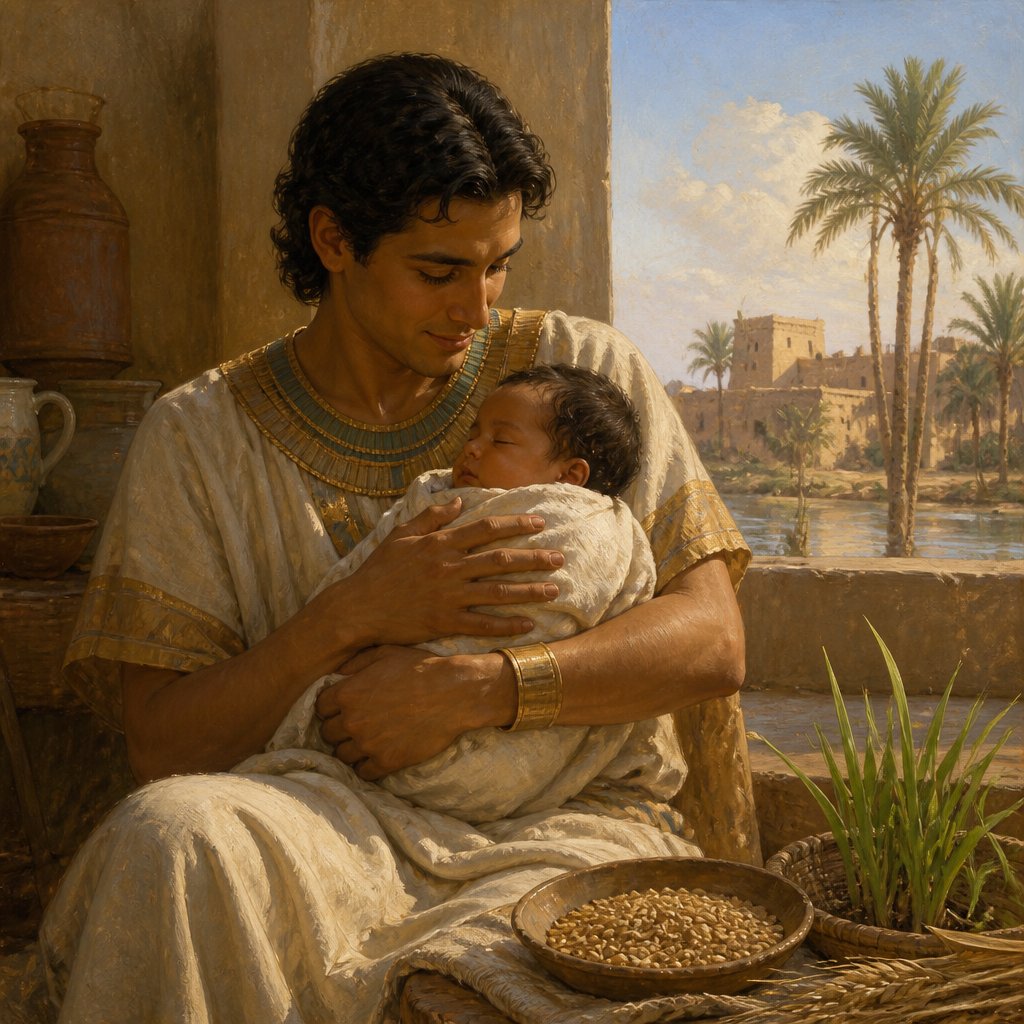
Genesis 41:52 in the King James Version of the Bible states, "And the name of the second called he Ephraim: For God hath caused me to be fruitful in the land of my affliction." This verse is part of the story of Joseph in the Old Testament, specifically in the book of Genesis. It is a significant moment in Joseph's life as it marks the birth of his second son, Ephraim.
To fully understand the meaning and significance of this verse, it is important to first understand the context in which it is found. Joseph was the eleventh son of Jacob, and his story is one of betrayal, hardship, and eventual redemption. His brothers were jealous of him and sold him into slavery in Egypt. Through a series of events, Joseph found favor with Pharaoh and rose to a position of power in Egypt, ultimately saving his family from a severe famine.
The verse Genesis 41:52 comes after Joseph has been made a ruler in Egypt and has married and had children. The naming of his second son, Ephraim, is deeply symbolic and carries with it a profound message about God's faithfulness and the fruitfulness that can come from affliction.
The name "Ephraim" means "fruitful" in Hebrew, and Joseph gives this name to his son as a declaration of the abundance and blessings that God has provided him in the land of his affliction. This act of naming his son is a powerful statement of Joseph's recognition of God's sovereignty and provision in the midst of his suffering and struggles.
The verse also highlights the theme of redemption and the fulfillment of God's promises. Throughout Joseph's life, he faced betrayal, slavery, and imprisonment, yet through it all, God was working behind the scenes to bring about his ultimate purpose. The birth of Ephraim and the naming of him as a symbol of fruitfulness serve as a reminder that God is able to bring beauty out of ashes and multiply blessings in the midst of adversity.
Furthermore, the verse speaks to the broader theme of the transformative power of God's grace. Joseph was able to see the positive outcome of his afflictions and recognize that God had used his suffering to bring about fruitfulness and abundance in his life. This message is relevant to all believers, as it encourages them to trust in God's faithfulness and sovereignty, even in the midst of trials and tribulations.
In addition, the verse serves as a testament to the importance of gratitude and praise in the face of adversity. Rather than wallowing in self-pity or bitterness, Joseph chooses to acknowledge and celebrate the blessings that have come from his afflictions. This attitude of gratitude and acknowledgment of God's goodness even in difficult times is a powerful example for believers to emulate.
Symbolically, the birth of Ephraim and the naming of him as a symbol of fruitfulness can also be interpreted as a foreshadowing of the future prosperity of the nation of Israel. Ephraim went on to become one of the twelve tribes of Israel, and his descendants played a significant role in the history of the Israelites. Thus, Joseph's declaration of fruitfulness in the land of his affliction can be seen as a prophetic statement of the future blessings and prosperity that God would bestow upon his people.
In conclusion, Genesis 41:52 is a verse rich in meaning and symbolism, with profound implications for believers today. It serves as a reminder of God's faithfulness, the transformative power of his grace, and the importance of gratitude and praise in the face of adversity. It is a testament to the fulfillment of God's promises and a declaration of the abundant blessings that can arise from affliction. Joseph's naming of his son Ephraim stands as a powerful testament to the redemptive work of God and his ability to bring forth fruitfulness even in the midst of hardship.
Get our apps


Artwork for Genesis 41:52

Genesis 41:52 - "And the name of the second called he Ephraim: For God hath caused me to be fruitful in the land of my affliction."
"And the name of the second called he Ephraim: For God hath caused me to be fruitful in the land of my affliction." - Genesis 41:52

Luke 2:41-52

Genesis 24:52

Genesis 41:41 and make pharaoh black

Genesis 24-41

Genesis 41:41-42 focus on signet ring

Genesis 41:41 - "And Pharaoh said unto Joseph, See, I have set thee over all the land of Egypt."
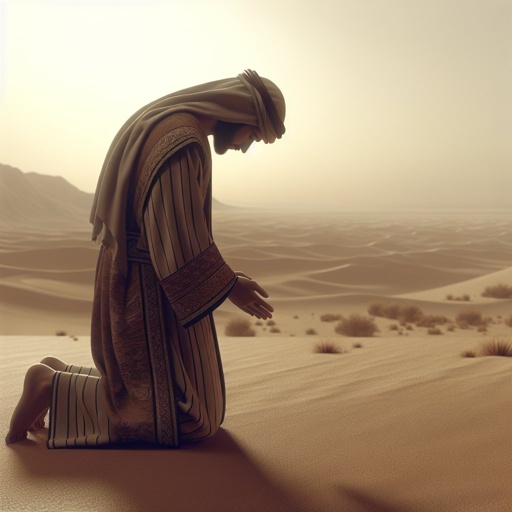
Genesis 24:52 - "And it came to pass, that, when Abraham's servant heard their words, he worshipped the LORD, bowing himself to the earth."

Genesis 41:47 - "And in the seven plenteous years the earth brought forth by handfuls."

Genesis 36:41 - "Duke Aholibamah, duke Elah, duke Pinon,"

Genesis 41:53 - "¶ And the seven years of plenteousness, that was in the land of Egypt, were ended."

Genesis 31:52 - "This heap be witness, and this pillar be witness, that I will not pass over this heap to thee, and that thou shalt not pass over this heap and this pillar unto me, for harm."

Genesis 41:37 - "¶ And the thing was good in the eyes of Pharaoh, and in the eyes of all his servants."

Genesis 41:31 - "And the plenty shall not be known in the land by reason of that famine following; for it shall be very grievous."

Genesis 41:29 - "Behold, there come seven years of great plenty throughout all the land of Egypt:"

Genesis 41:6 - "And, behold, seven thin ears and blasted with the east wind sprung up after them."

Genesis 41:2 - "And, behold, there came up out of the river seven well favoured kine and fatfleshed; and they fed in a meadow."

Genesis 41:26 - "The seven good kine are seven years; and the seven good ears are seven years: the dream is one."

Genesis 41:23 - "And, behold, seven ears, withered, thin, and blasted with the east wind, sprung up after them:"

Genesis 41:20 - "And the lean and the ill favoured kine did eat up the first seven fat kine:"

Genesis 41:16 - "And Joseph answered Pharaoh, saying, It is not in me: God shall give Pharaoh an answer of peace."

Genesis 41:32 - "And for that the dream was doubled unto Pharaoh twice; it is because the thing is established by God, and God will shortly bring it to pass."

Genesis 41:22 - "And I saw in my dream, and, behold, seven ears came up in one stalk, full and good:"

Genesis 41:18 - "And, behold, there came up out of the river seven kine, fatfleshed and well favoured; and they fed in a meadow:"

Genesis 41:17 - "And Pharaoh said unto Joseph, In my dream, behold, I stood upon the bank of the river:"

Genesis 41:7 - "And the seven thin ears devoured the seven rank and full ears. And Pharaoh awoke, and, behold, it was a dream."

Genesis 41:1 - "And it came to pass at the end of two full years, that Pharaoh dreamed: and, behold, he stood by the river."

Genesis 41:9 - "¶ Then spake the chief butler unto Pharaoh, saying, I do remember my faults this day:"

Genesis 41:10 - "Pharaoh was wroth with his servants, and put me in ward in the captain of the guard's house, both me and the chief baker:"