What does Genesis 42:36 mean?
“And Jacob their father said unto them, Me have ye bereaved of my children: Joseph is not, and Simeon is not, and ye will take Benjamin away: all these things are against me.” — Genesis 42:36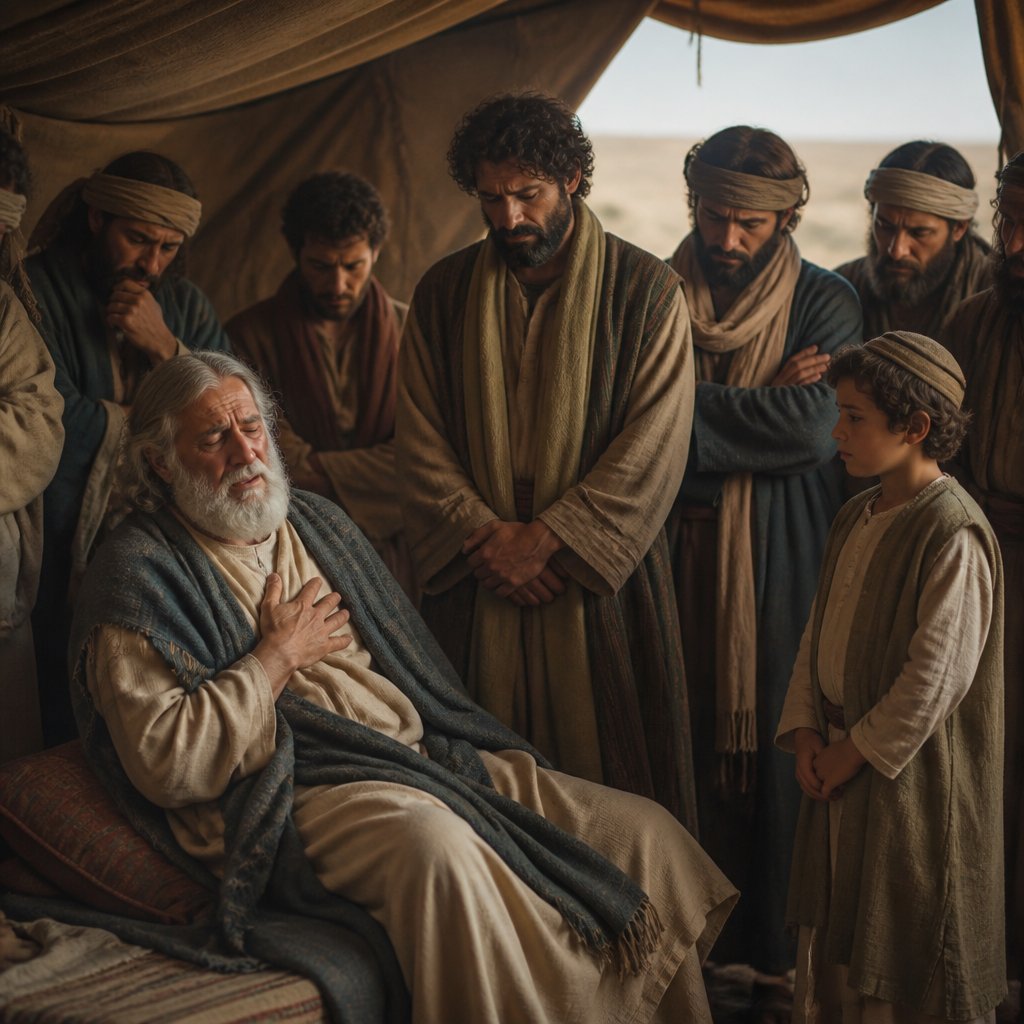
In Genesis 42:36 in the King James Version of the Bible, the verse reads, “And Jacob their father said unto them, Me have ye bereaved of my children: Joseph is not, and Simeon is not, and ye will take Benjamin away: all these things are against me.” This verse comes from the story of Joseph and his brothers in the book of Genesis.
To fully understand the meaning and significance of this verse, it is important to provide some context. In the previous chapters of Genesis, Joseph’s brothers had betrayed and sold him into slavery out of jealousy. They had convinced their father Jacob that Joseph had been killed by a wild animal, concealing the truth of his sale to Ishmaelite traders. As a result, Jacob is deeply grieved by the loss of his beloved son Joseph.
In Genesis 42, a severe famine leads Jacob to sending his sons to Egypt to purchase grain. However, the ruler of Egypt, unbeknownst to the brothers, is none other than Joseph, who has risen to power as viceroy. When the brothers arrive in Egypt, Joseph recognizes them, but they do not recognize him. As a test, Joseph accuses them of being spies and demands that they bring their youngest brother, Benjamin, as proof of their honesty. Simeon is then imprisoned as a guarantee until they return with Benjamin.
The verse “And Jacob their father said unto them, Me have ye bereaved of my children: Joseph is not, and Simeon is not, and ye will take Benjamin away: all these things are against me” encompasses Jacob’s anguish and distress. Jacob feels that all of his misfortunes have fallen upon him at once. His grief over the loss of Joseph is compounded by Simeon’s imprisonment and the potential risk of losing Benjamin as well.
One of the key themes in this verse is the concept of suffering and loss. Jacob’s lament reflects the profound pain he feels at the perceived loss of his children. The verse also speaks to the idea of injustice and the weight of adversity. Jacob’s words convey a sense of helplessness and despair, as he struggles to make sense of the trials he is facing.
Furthermore, Jacob’s lamentation also highlights the motif of divine providence and trust in God’s plan. Despite his distress, Jacob’s words carry an undertone of faith and resignation to the will of God. His acknowledgment that “all these things are against me” suggests that he is struggling to comprehend the larger purpose behind his suffering. This theme of divine sovereignty and the testing of one’s faith is a recurring motif throughout the Bible, and it is particularly evident in this passage.
Symbolism also plays a significant role in this verse. Jacob’s expression of grief and despair serves as a symbolic representation of the human experience of suffering and anguish. His lamentation resonates with the universal theme of parental love and the fear of losing a child. In a broader sense, Jacob’s sorrow can be seen as a metaphor for the collective suffering of humanity, reflecting the struggles and hardships that individuals face in their lives.
In conclusion, Genesis 42:36 captures the profound emotional and spiritual turmoil experienced by Jacob in the face of his many trials. The verse delves into themes of suffering, loss, divine providence, and the testing of faith, offering insight into the complexities of human existence. It serves as a poignant reminder of the challenges and tribulations that individuals encounter, as well as the enduring strength of faith in the midst of adversity.
Get our apps


Artwork for Genesis 42:36
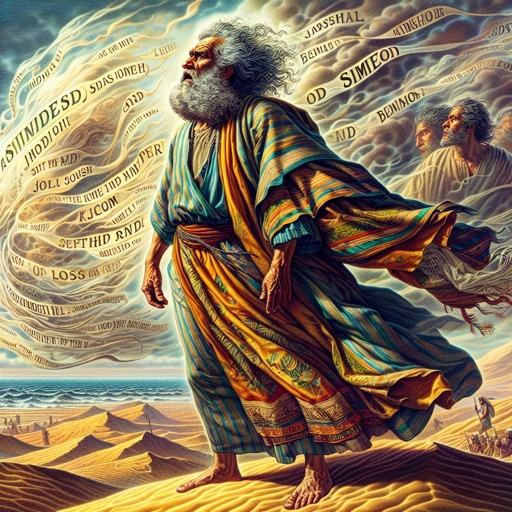
Genesis 42:36 - "And Jacob their father said unto them, Me have ye bereaved of my children: Joseph is not, and Simeon is not, and ye will take Benjamin away: all these things are against me."
"And Jacob their father said unto them, Me have ye bereaved of my children: Joseph is not, and Simeon is not, and ye will take Benjamin away: all these things are against me." - Genesis 42:36

Genesis 36:42 - "Duke Kenaz, duke Teman, duke Mibzar,"

"Duke Kenaz, duke Teman, duke Mibzar," - Genesis 36:42

Genesis 42:29

Genesis 24-42

Genesis 36:36 - "And Hadad died, and Samlah of Masrekah reigned in his stead."

Genesis 42:1-2

Genesis 42:26 - "And they laded their asses with the corn, and departed thence."

Genesis 24:36

Genesis 19-36

Genesis 42:8 - "And Joseph knew his brethren, but they knew not him."

Genesis 42:17 - "And he put them all together into ward three days."

Genesis 42:3 - "¶ And Joseph's ten brethren went down to buy corn in Egypt."

Genesis 42:31 - "And we said unto him, We are true men; we are no spies:"

Genesis 36:28 - "The children of Dishan are these; Uz, and Aran."

"And Hadad died, and Samlah of Masrekah reigned in his stead." - Genesis 36:36

Genesis 42:23 - "And they knew not that Joseph understood them; for he spake unto them by an interpreter."

Genesis 36:27 - "The children of Ezer are these; Bilhan, and Zaavan, and Akan."

Genesis 41:41-42 focus on signet ring

Genesis 42:12 - "And he said unto them, Nay, but to see the nakedness of the land ye are come."

Genesis 36:19 - "These are the sons of Esau, who is Edom, and these are their dukes."

Genesis 36:3 - "And Bashemath Ishmael's daughter, sister of Nebajoth."

Genesis 36:1 - "Now these are the generations of Esau, who is Edom."

Genesis 36:26 - "And these are the children of Dishon; Hemdan, and Eshban, and Ithran, and Cheran."

Genesis 36:9 - "¶ And these are the generations of Esau the father of the Edomites in mount Seir:"

Genesis 42:11 - "We are all one man's sons; we are true men, thy servants are no spies."

Genesis 42:14 - "And Joseph said unto them, That is it that I spake unto you, saying, Ye are spies:"

Genesis 42:5 - "And the sons of Israel came to buy corn among those that came: for the famine was in the land of Canaan."

Genesis 36:41 - "Duke Aholibamah, duke Elah, duke Pinon,"