What does Genesis 48:18 mean?
“And Joseph said unto his father, Not so, my father: for this is the firstborn; put thy right hand upon his head.” — Genesis 48:18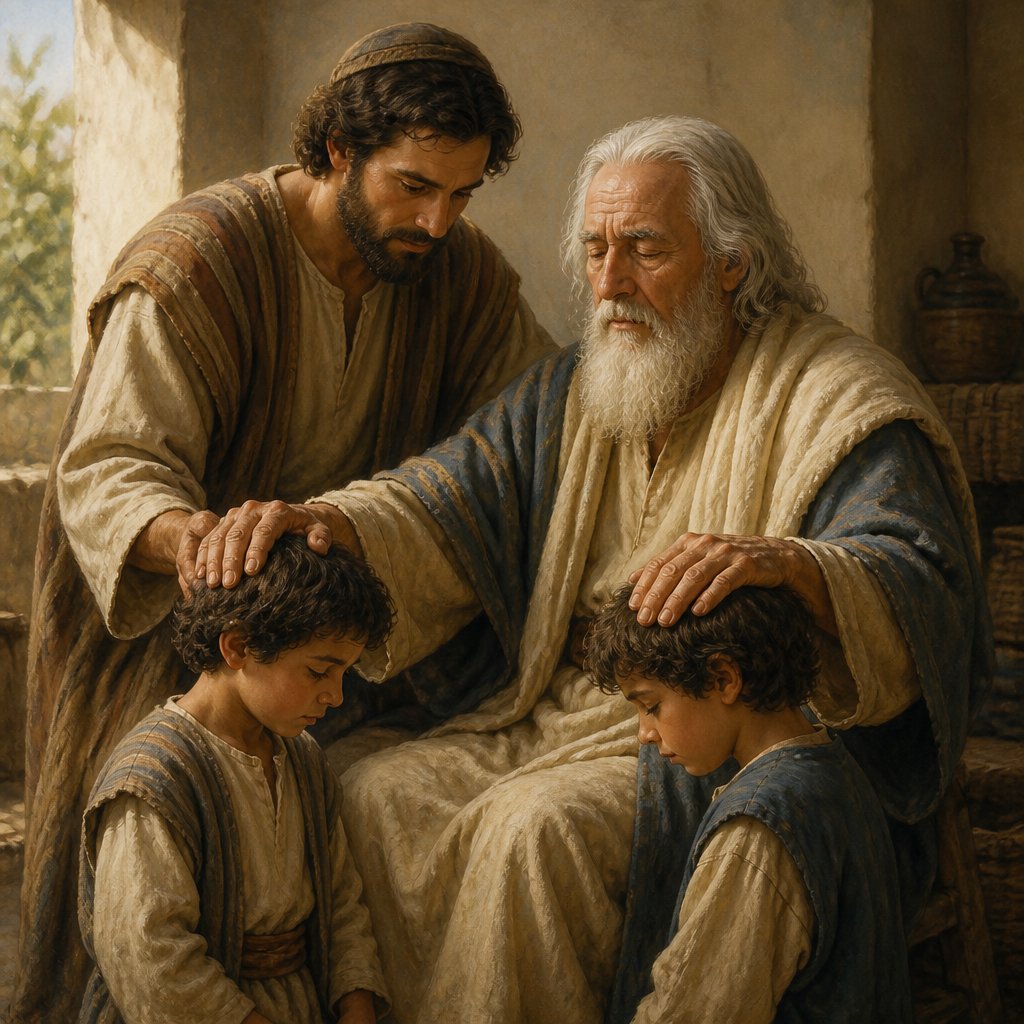
Genesis 48:18 (KJV)
And Joseph said unto his father, Not so, my father: for this is the firstborn; put thy right hand upon his head.
This verse comes at a pivotal moment in the book of Genesis. It is part of the story of Jacob blessing his grandsons, Ephraim and Manasseh, the sons of Joseph. Jacob had lived a long and eventful life, and in this scene, he is an old man who is close to death. He calls Joseph to him and asks to see his grandsons so that he can bless them before he dies.
The significance of this verse lies in the symbolism of the blessing and the struggle for familial succession. In ancient Semitic culture, the blessing of the father was a sacred and binding act that conferred authority, property, and much more. The firstborn son was traditionally given the greater blessing and hence became the leader of the family in the next generation.
However, in this particular scene, Joseph brings his sons to his father for Jacob to bless them. Jacob, who is nearly blind, intentionally crosses his hands so that his right hand is over the head of the younger son, Ephraim, and his left hand is over the head of the elder son, Manasseh. Joseph notices this and tries to correct his father, reminding him that Manasseh is the firstborn and should therefore receive the greater blessing. But Jacob refuses, stating that he knows what he is doing.
This moment is significant for several reasons. Firstly, it shows that Jacob is not following tradition or convention. Instead, he is acting on divine guidance. This is a reminder that the ways of God are not always the ways of man. Jacob is acting on behalf of God, who has chosen Ephraim to receive the greater blessing. This is an affirmation of God's sovereignty and His ability to work through imperfect human vessels.
Secondly, this scene highlights the theme of reversal of expectations, which is a recurring motif in the book of Genesis. Throughout the book, we see God choosing the younger over the older, the weaker over the stronger, and the unexpected over the predictable. This is a powerful reminder that God's ways are not our ways, and His plans often confound human wisdom.
Thirdly, this moment is also symbolic of the broader theme of the blessing passing from one generation to the next. Jacob, as the patriarch of the family, is passing on his spiritual authority and leadership to his grandsons. By blessing Ephraim as the firstborn, Jacob is essentially transferring the birthright and the promise of God's covenant to him. This emphasizes the idea that God's promises are not limited by human conventions or expectations.
Overall, this verse serves as a powerful reminder of God's sovereignty, His ability to work through unexpected channels, and His faithfulness to His promises. It challenges our human tendencies to rely on tradition and human understanding, and calls us to trust in God's wisdom and guidance. This is a message that resonates throughout the Bible and continues to be relevant to believers today.
Get our apps


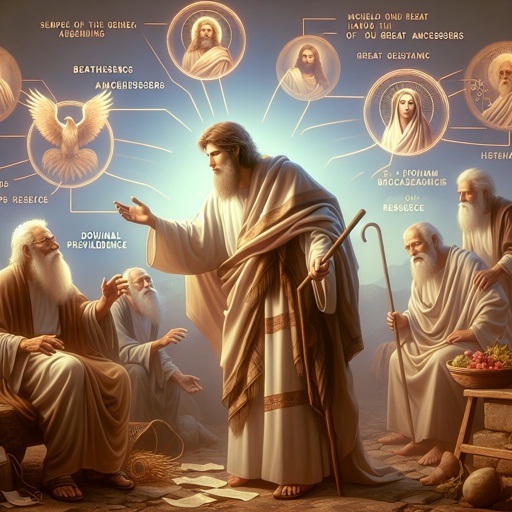
Artwork for Genesis 48:18

Genesis 48:18 - "And Joseph said unto his father, Not so, my father: for this is the firstborn; put thy right hand upon his head."
"And Joseph said unto his father, Not so, my father: for this is the firstborn; put thy right hand upon his head." - Genesis 48:18

Genesis 24-48

Genesis 48:8 - "And Israel beheld Joseph's sons, and said, Who are these?"

Genesis 31:48 - "And Laban said, This heap is a witness between me and thee this day. Therefore was the name of it called Galeed;"

Genesis 48:3 - "And Jacob said unto Joseph, God Almighty appeared unto me at Luz in the land of Canaan, and blessed me,"

Genesis 48:12 - "And Joseph brought them out from between his knees, and he bowed himself with his face to the earth."
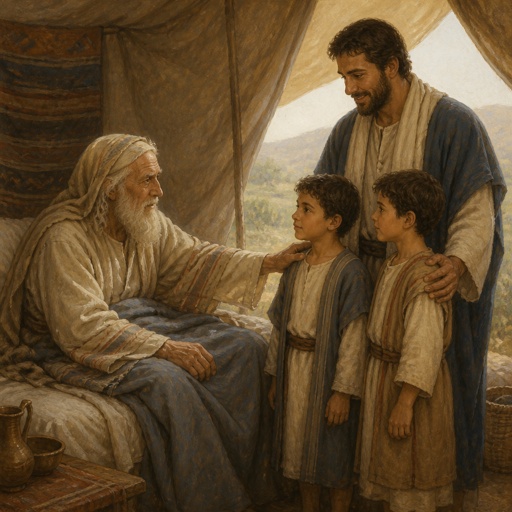
"And Israel beheld Joseph's sons, and said, Who are these?" - Genesis 48:8
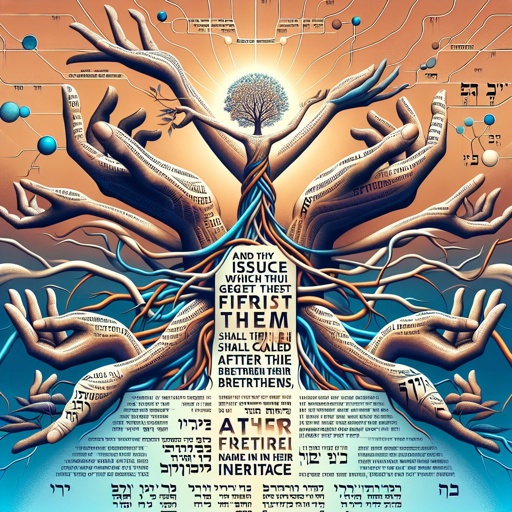
Genesis 48:6 - "And thy issue, which thou begettest after them, shall be thine, and shall be called after the name of their brethren in their inheritance."

Isaiah 48:18 - "O that thou hadst hearkened to my commandments! then had thy peace been as a river, and thy righteousness as the waves of the sea:"
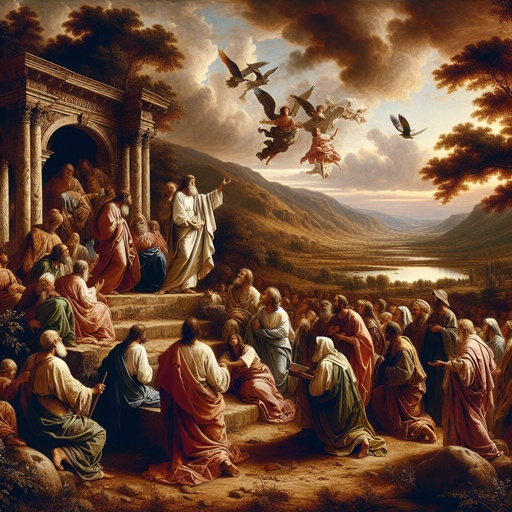
Genesis 18-18
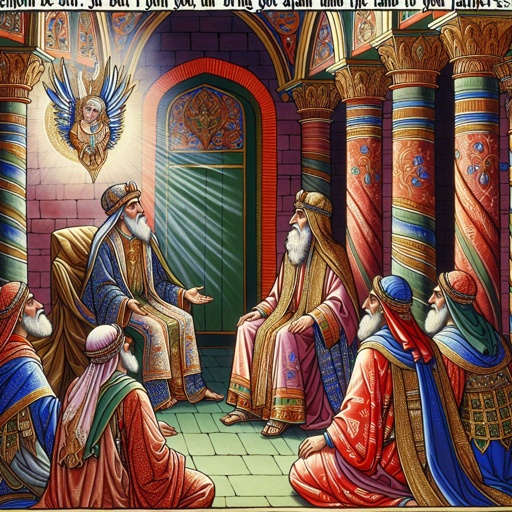
Genesis 48:21 - "And Israel said unto Joseph, Behold, I die: but God shall be with you, and bring you again unto the land of your fathers."

Genesis 48:2 - "And one told Jacob, and said, Behold, thy son Joseph cometh unto thee: and Israel strengthened himself, and sat upon the bed."
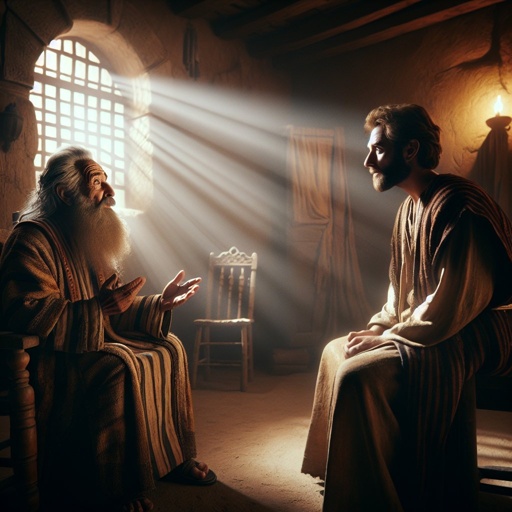
Genesis 48:11 - "And Israel said unto Joseph, I had not thought to see thy face: and, lo, God hath shewed me also thy seed."
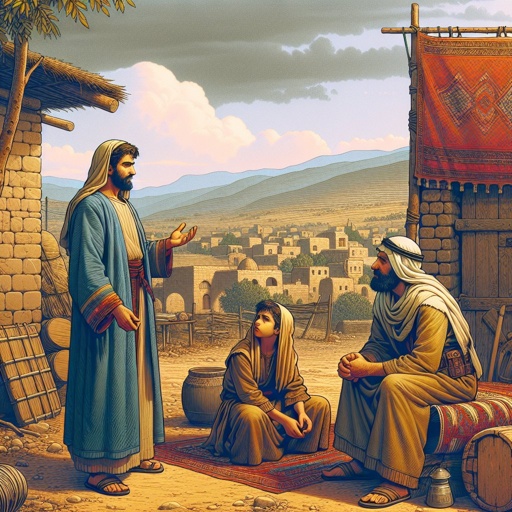
Genesis 48:1 - "And it came to pass after these things, that one told Joseph, Behold, thy father is sick: and he took with him his two sons, Manasseh and Ephraim."

Genesis 48:22 - "Moreover I have given to thee one portion above thy brethren, which I took out of the hand of the Amorite with my sword and with my bow."

Genesis 48:20 - "And he blessed them that day, saying, In thee shall Israel bless, saying, God make thee as Ephraim and as Manasseh: and he set Ephraim before Manasseh."

Genesis 48:10 - "Now the eyes of Israel were dim for age, so that he could not see. And he brought them near unto him; and he kissed them, and embraced them."
Genesis 48:15 - "¶ And he blessed Joseph, and said, God, before whom my fathers Abraham and Isaac did walk, the God which fed me all my life long unto this day,"

Genesis 48:4 - "And said unto me, Behold, I will make thee fruitful, and multiply thee, and I will make of thee a multitude of people; and will give this land to thy seed after thee for an everlasting possession."

Genesis 18-12

Genesis 24-18

Genesis 18-10

Genesis 18-16

Genesis 18:25

Genesis 22-18

Genesis 18-30

Genesis 18-26

Genesis 17-18

Genesis 18-32