What does Genesis 5:3 mean?
“And Adam lived an hundred and thirty years, and begat a son in his own likeness, after his image; and called his name Seth:” — Genesis 5:3
Genesis 5:3 (KJV): And Adam lived an hundred and thirty years, and begat a son in his own likeness, after his image; and called his name Seth.
The book of Genesis is the first book of the Bible and is widely regarded as an account of the creation of the world and the origins of humanity. In Genesis 5:3, we are introduced to the birth of Seth, the third son of Adam and Eve. This verse holds significant meaning and symbolism, as it not only marks the continuation of the human race, but also serves as a reminder of the likeness and image of God that is inherent in all of us.
At the heart of this verse is the concept of genealogy and ancestry. In biblical times, genealogy played a crucial role in establishing one's identity and inheritance. The author of Genesis meticulously details the lineage of Adam, tracing his descendants through the generations. By emphasizing the age at which Adam begot Seth (130 years), the verse highlights the significance of this event in the context of the narrative.
Furthermore, the verse underscores the notion of fatherhood as a symbolic expression of the relationship between God and humanity. Adam’s act of procreation and the subsequent naming of his son Seth reflect the divine command to "be fruitful and multiply" (Genesis 1:28). This verse not only provides a historical account of the patriarchal line, but also serves as a testament to the continuation of God's covenant with mankind.
The words "in his own likeness, after his image" carry a profound theological significance. The phrase "likeness" and "image" evoke the creation of Adam and Eve in the image of God (Genesis 1:26-27). By describing Seth as being begotten in the likeness and image of his father, the verse emphasizes the inherent resemblance and connection between father and son. This notion of likeness is not merely physical, but also reflects a spiritual and moral resemblance, highlighting the importance of familial resemblance and inheritance.
The naming of Seth is also of particular significance. In biblical times, names were often chosen for their symbolic and prophetic meanings. The name "Seth" is derived from the Hebrew word "sheth," meaning "appointed" or "placed." This name reflects the divine purpose and providence behind Seth’s birth, signifying God’s appointment and provision for the continuation of humanity. This act of naming also reflects Adam’s authority and responsibility as the first father, and sets the stage for the preservation and transmission of the faith and covenant of God to future generations.
In a broader theological context, Genesis 5:3 also points towards the redemptive plan of God for humanity. The birth of Seth is a pivotal moment in the narrative of Genesis, as it marks the beginning of a new lineage that will ultimately lead to the birth of Jesus Christ. The genealogy of Seth becomes a crucial component in tracing the lineage of the Messiah, underscoring the providential hand of God in preserving and fulfilling His promises through the generations.
In conclusion, Genesis 5:3 holds profound theological, symbolic, and historical significance within the broader narrative of Genesis and the Bible as a whole. It serves as a testament to the continuation of God’s covenant with humanity, the importance of genealogy and ancestry, and the providential hand of God in the preservation of His redemptive plan. This verse not only provides valuable insights into the origins of humanity, but also carries enduring spiritual truths about the nature of fatherhood, familial resemblance, and the divine purpose for humanity.
Get our apps


Artwork for Genesis 5:3

create image of Genesis 5:3
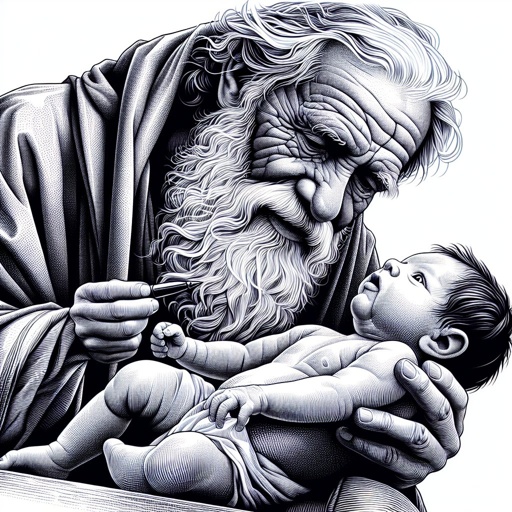
Genesis 5:3 - "¶ And Adam lived an hundred and thirty years, and begat a son in his own likeness, after his image; and called his name Seth:"

"¶ And Adam lived an hundred and thirty years, and begat a son in his own likeness, after his image; and called his name Seth:" - Genesis 5:3

Genesis 3:5 - "For God doth know that in the day ye eat thereof, then your eyes shall be opened, and ye shall be as gods, knowing good and evil."

Genesis 24:5

Genesis 27:5

Genesis 17:5

Genesis 20-5

Genesis 11:5

Genesis 22-5

Genesis 1:5

Genesis 11:5

Genesis 11:5

Genesis 23-5

Genesis 25:5

Genesis 21-5

Genesis 16:5

Genesis 11:5

Genesis 1:5

Genesis 19-5

Genesis 29-5

Genesis 1:5

Genesis 18-5

Genesis 11:5

Genesis 3

Genesis 5:5 - "And all the days that Adam lived were nine hundred and thirty years: and he died."

Genesis 3:8

Genesis 18-3
Genesis 19-3

Genesis 3:24