What does Genesis 5:31 mean?
“And all the days of Lamech were seven hundred seventy and seven years: and he died.” — Genesis 5:31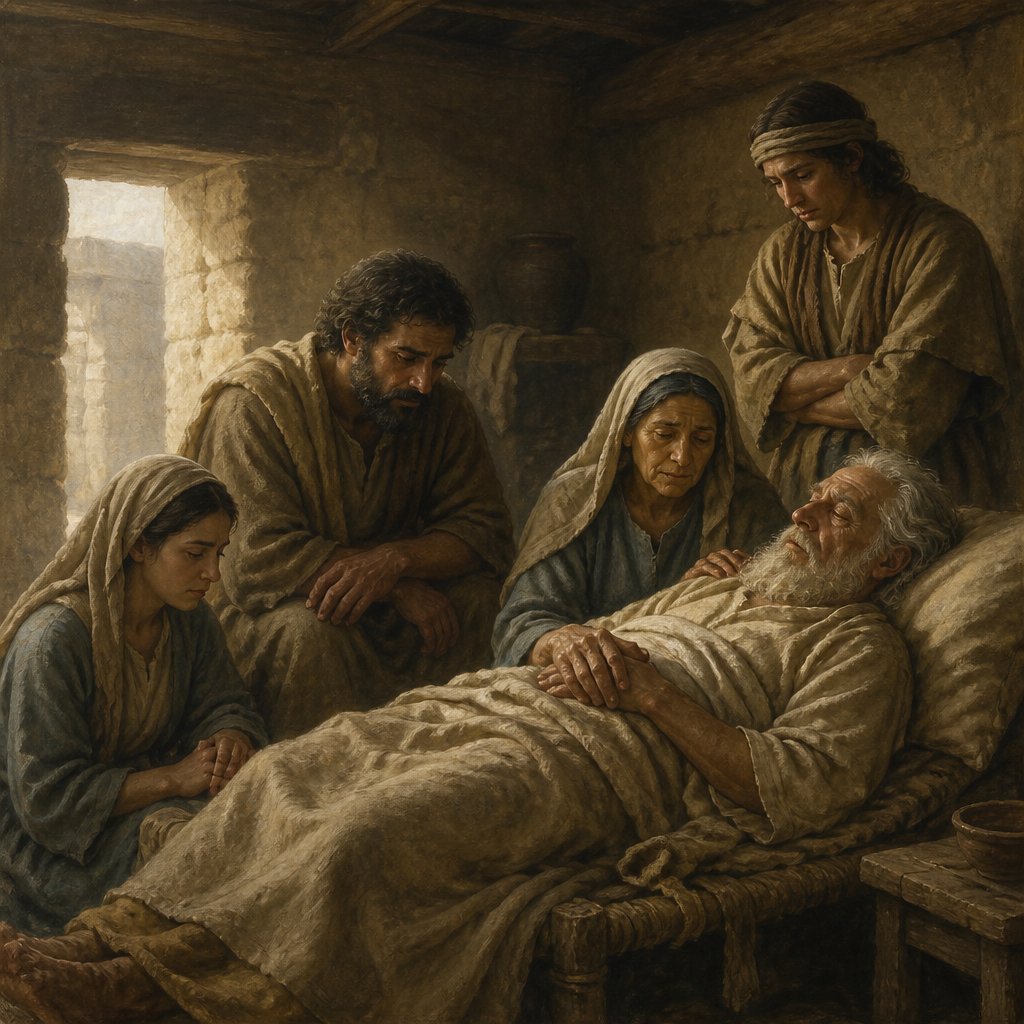
Genesis 5:31(KJV) reads: "And all the days of Lamech were seven hundred seventy and seven years: and he died."
This verse is part of the genealogy of Adam in the book of Genesis, which traces the lineage of Adam through his son Seth. Lamech was the father of Noah, who survived the Great Flood, and is an important figure in the biblical narrative.
The mention of Lamech living for 777 years may seem like a simple statement of a long life, but it holds deeper symbolism and significance in the context of the biblical narrative. In the Bible, the number seven is often associated with completeness, perfection, and divine order. The repetition of the number seven in Lamech's lifespan is symbolic of spiritual perfection and completion.
Lamech's longevity also serves as a contrast to the shorter lifespans of the people in his time. According to the genealogy in Genesis, people in the early chapters of the Bible lived for several hundred years before the lifespan gradually decreased over time. Lamech's lengthy life serves as a reminder of the enduring nature of God's plan and the promise of salvation.
Furthermore, the mention of Lamech's death in the same verse is a poignant reminder of the transient nature of human life. Despite living for such an extraordinary length of time, Lamech eventually succumbed to mortality. This serves as a reminder of the inevitability of death and the importance of living a life that is righteous and pleasing to God.
In a broader context, this verse also highlights the theme of generational continuity in the Bible. The genealogy in Genesis traces the lineage of Adam through his descendants, showing the continuity of God's plan from one generation to the next. Lamech's role as the father of Noah, who played a crucial role in the story of the Great Flood, underscores the importance of familial ties and the passing down of faith and values from one generation to the next.
Symbolically, Lamech's lifespan also foreshadows the coming of the Messiah. The number seven, with its significance in the Bible, hints at the arrival of a figure who would bring about ultimate completion and perfection. This figure is none other than Jesus Christ, whose life and teachings fulfilled the divine plan for salvation and offered humanity the opportunity for spiritual redemption.
Overall, Genesis 5:31 presents a powerful message about the enduring nature of God's plan, the transient nature of human life, and the importance of generational continuity. Lamech's lengthy lifespan and eventual death serve as a reminder of the divine order and the promise of salvation, as well as a foreshadowing of the arrival of Christ. This verse continues to resonate with believers, offering spiritual insight and guidance for living a life that is pleasing to God.
Get our apps


Artwork for Genesis 5:31

Genesis 5:31 - "And all the days of Lamech were seven hundred seventy and seven years: and he died."
"And all the days of Lamech were seven hundred seventy and seven years: and he died." - Genesis 5:31

Genesis 31:5 - "And said unto them, I see your father's countenance, that it is not toward me as before; but the God of my father hath been with me."

Genesis 21-31

Genesis 18-31

Genesis 31:35

Genesis 19-31

Genesis 24-31

Genesis 31:22 - "And it was told Laban on the third day that Jacob was fled."

Genesis 31:45 - "And Jacob took a stone, and set it up for a pillar."

Genesis 31:47 - "And Laban called it Jegarsahadutha: but Jacob called it Galeed."

Genesis 31:31 - "And Jacob answered and said to Laban, Because I was afraid: for I said, Peradventure thou wouldest take by force thy daughters from me."

Genesis 34:31 - "And they said, Should he deal with our sister as with an harlot?"

Genesis 25:31 - "And Jacob said, Sell me this day thy birthright."

Genesis 31:2 - "And Jacob beheld the countenance of Laban, and, behold, it was not toward him as before."
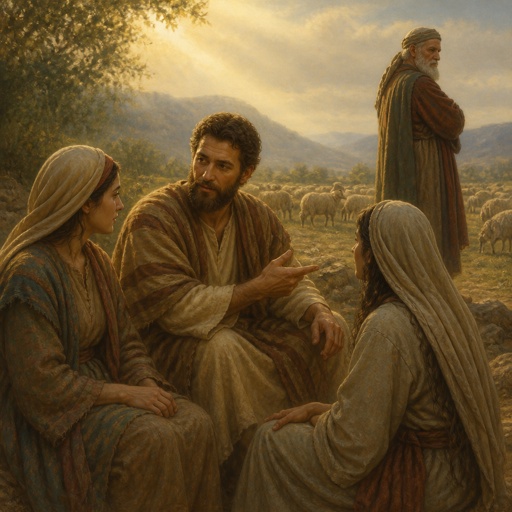
"And said unto them, I see your father's countenance, that it is not toward me as before; but the God of my father hath been with me." - Genesis 31:5

Genesis 31:4 - "And Jacob sent and called Rachel and Leah to the field unto his flock,"

Genesis 37:31 - "And they took Joseph's coat, and killed a kid of the goats, and dipped the coat in the blood;"

Genesis 42:31 - "And we said unto him, We are true men; we are no spies:"
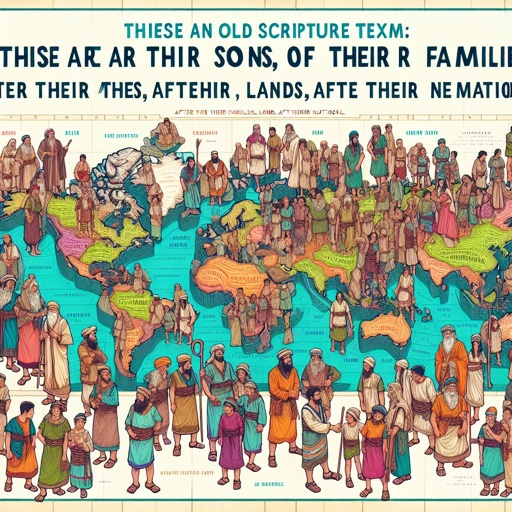
Genesis 10:31 - "These are the sons of Shem, after their families, after their tongues, in their lands, after their nations."

Genesis 21:31 - "Wherefore he called that place Beer-sheba; because there they sware both of them."

Genesis 41:31 - "And the plenty shall not be known in the land by reason of that famine following; for it shall be very grievous."

Genesis 31:17 - "¶ Then Jacob rose up, and set his sons and his wives upon camels;"

Genesis 31:6 - "And ye know that with all my power I have served your father."

Genesis 31:9 - "Thus God hath taken away the cattle of your father, and given them to me."

Genesis 31:20 - "And Jacob stole away unawares to Laban the Syrian, in that he told him not that he fled."

Genesis 36:31 - "¶ And these are the kings that reigned in the land of Edom, before there reigned any king over the children of Israel."

Genesis 43:31 - "And he washed his face, and went out, and refrained himself, and said, Set on bread."

Genesis 29:31 - "¶ And when the LORD saw that Leah was hated, he opened her womb: but Rachel was barren."

John 5:31 - "If I bear witness of myself, my witness is not true."