What does Genesis 9:13 mean?
“I do set my bow in the cloud, and it shall be for a token of a covenant between me and the earth.” — Genesis 9:13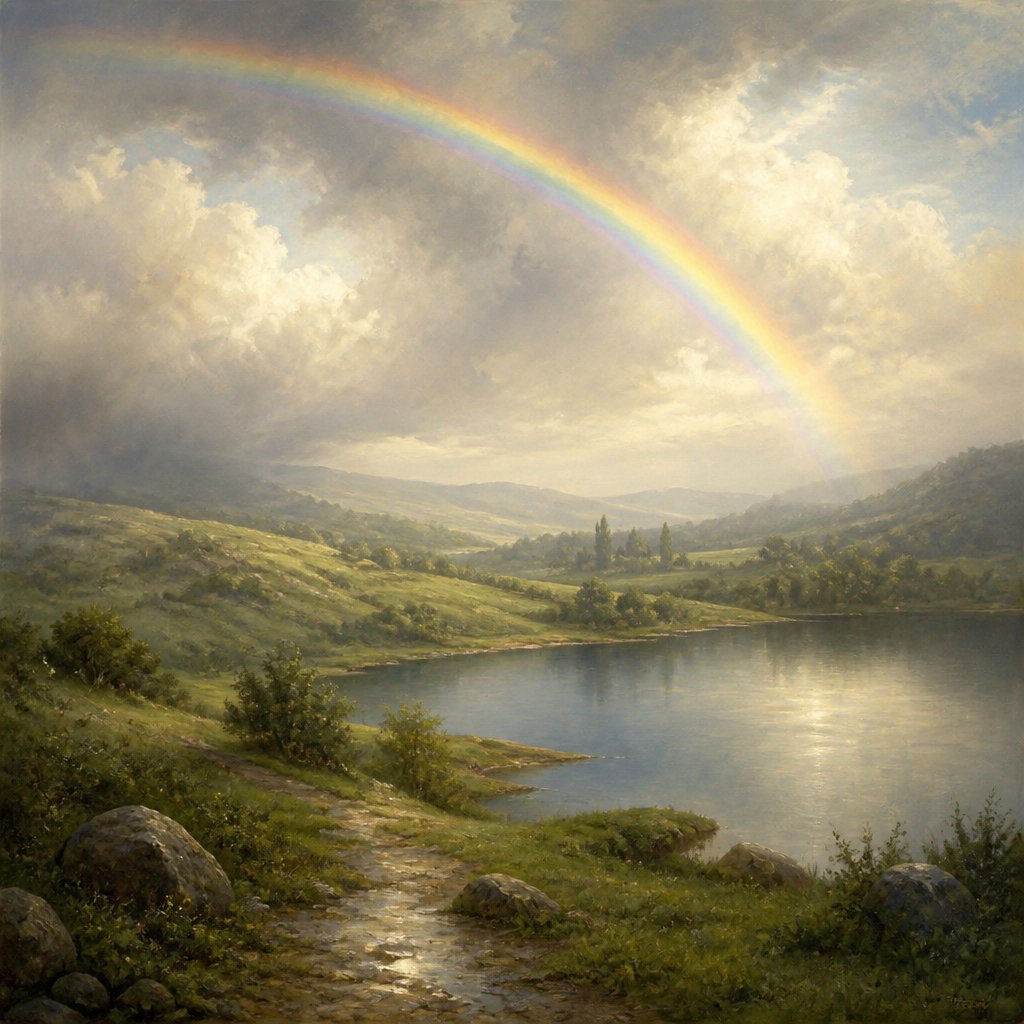
Genesis 9:13 in the KJV reads, “I do set my bow in the cloud, and it shall be for a token of a covenant between me and the earth.” The verse stands within the solemn moment after the flood, when Noah has come out of the ark into a cleansed world and God speaks words that are meant to stabilize human life going forward. The waters of judgment have receded, the fear of another world-destroying deluge would naturally haunt the survivors, and God answers that fear not with human reassurance but with divine commitment. Genesis 9 records God’s covenantal speech in which he blesses Noah and his sons, reorders life in the post-flood world, and then binds himself by promise regarding the future of the earth. In that setting Genesis 9:13 becomes a centerpiece: it is not merely a poetic observation about the sky, but God’s stated act of establishing a visible sign that corresponds to a permanent word.
The chief theme of the verse is covenant, and specifically a covenant that is anchored in God’s initiative rather than human bargaining. The language “I do set” emphasizes that the bow is not presented as a human offering to God but as God’s own appointed “token,” a sign placed into creation by the Creator. In the KJV, “token” carries the sense of a mark or sign that confirms the reality of the pledge. The verse also makes clear the scope of this covenant: it is “between me and the earth.” That phrase is striking because it extends beyond Noah alone and beyond one family line; it takes in the whole created order that has just endured catastrophe. The covenant is not merely private or tribal. It is cosmic in its reach, binding God’s word to the continuing stability of the world in which human history will unfold.
The symbolism of “my bow” is layered. In ordinary speech a bow is a weapon of war, and the KJV wording preserves that potency by not softening the image. God calls it “my bow,” making the symbol belong to him. Set “in the cloud,” it appears where the flood’s threat is most emotionally charged: clouds gather, rain falls, waters rise. The token is therefore placed precisely in the arena of fear. Yet the bow in the cloud is not described as aimed at the earth, but simply set there as a sign. The image suggests the cessation of hostility, the hanging up of the weapon, and the transformation of what might signify danger into something that signifies mercy. In the aftermath of judgment, the bow becomes a proclamation that judgment by flood will not be repeated in the same world-destroying way. It teaches that God’s wrath is not capricious, that his dealings with the earth are not governed by uncontrolled cycles of destruction, and that he intends the stage of human life to remain.
The context around Genesis 9:13 also deepens its meaning by showing that the covenant is connected to God’s remembrance and God’s governance of nature. The bow is not described as a charm that works automatically, but as a token attached to God’s own faithful intention. It is a sign that corresponds to God’s promise, and it speaks whenever the clouds gather that the world is still under divine order. In this way the verse carries a theme of common grace, the idea that God preserves the world and grants continuance even when humanity remains fallen. The flood did not erase sin from the human heart, yet God commits himself to the preservation of the earth’s regularity. The bow therefore becomes a visible preaching of God’s long-suffering, a reassurance that the created order is not fragile in the hands of chance but upheld by covenantal faithfulness.
The phrase “between me and the earth” also carries a quiet theological weight: it underlines that creation itself matters to God, and that God’s promises can be embedded in the fabric of the natural world. The token appears in the sky, not in a temple made with hands, and so the whole earth becomes a theater in which God’s faithfulness is displayed. Every appearance of the bow in the cloud functions as a reminder that God’s relationship to his creation includes restraint, patience, and mercy. Genesis 9:13 therefore is significant not only as the first explicit mention of a covenantal sign in Scripture but also as a foundational assurance for all subsequent human life: history can continue, seasons can return, societies can be built, and generations can multiply because God has pledged stability to the earth. In the KJV’s simple but majestic wording, the verse presents the rainbow not as a human interpretation of nature but as God’s own appointed token that his word of preservation stands over the world.
Get our apps


Artwork for Genesis 9:13

Genesis 9:13
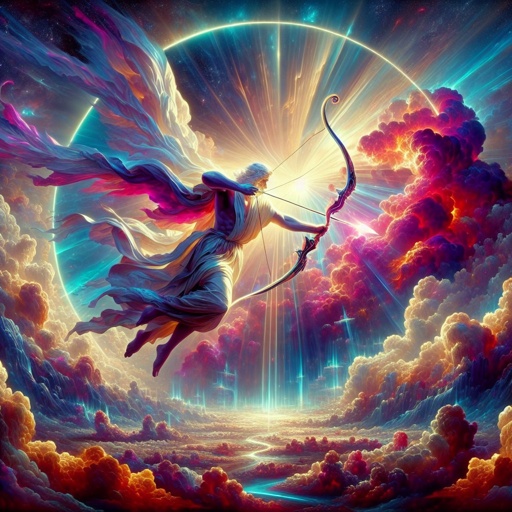
Genesis 9:13 - "I do set my bow in the cloud, and it shall be for a token of a covenant between me and the earth."
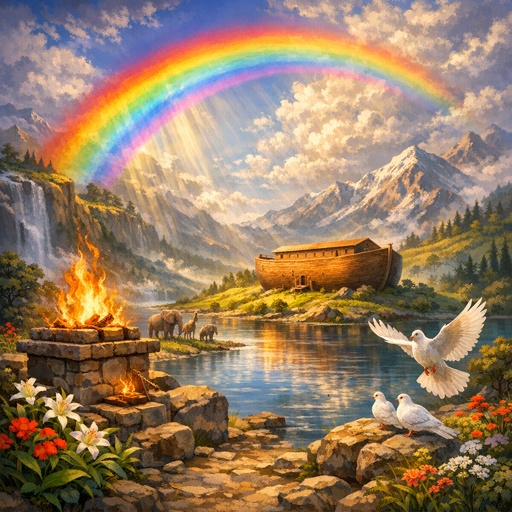
"I do set my bow in the cloud, and it shall be for a token of a covenant between me and the earth." - Genesis 9:13
"I do set my bow in the cloud, and it shall be for a token of a covenant between me and the earth." - Genesis 9:13
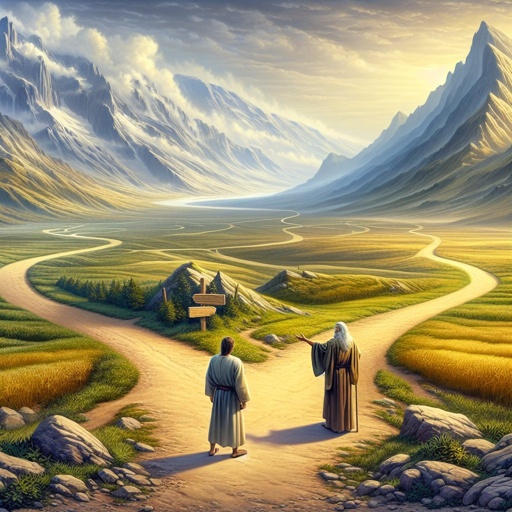
Genesis 13:9 - "Is not the whole land before thee? separate thyself, I pray thee, from me: if thou wilt take the left hand, then I will go to the right; or if thou depart to the right hand, then I will go to the left."
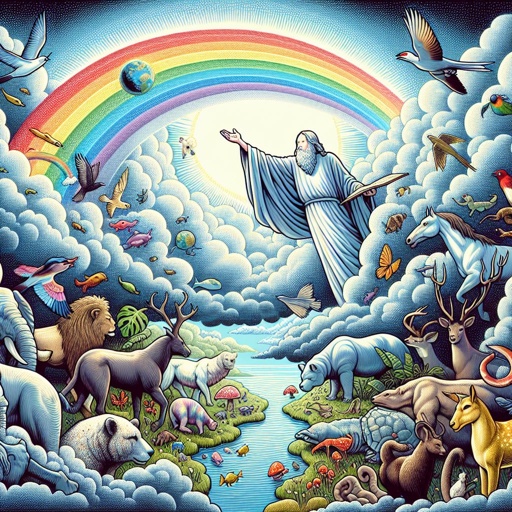
Genesis 9:12-13 - "And God said, “This is the sign of the covenant I am making between me and you and every living creature with you, a covenant for all generations to come: I have set my rainbow in the clouds, and it will be the sign of the covenant between me and the earth."

Genesis 13:13 - "But the men of Sodom were wicked and sinners before the LORD exceedingly."

Genesis 20-13

Genesis 15:13

Genesis 13:10
Genesis 18-13

Genesis 25-13

Genesis 16:13

Genesis 19-13

Genesis 21-13

Genesis 23-13

Genesis 28-13

Genesis 17-13
Genesis 24-13

Genesis 22-13

Genesis 16:9

Genesis 22-9

Genesis 15:9

Genesis 20:9

Genesis 2:9

Genesis 49:9

Genesis 18-9

Genesis 23-9

Genesis 22-9

Genesis 24-9