What does Habakkuk 3:6 mean?
“He stood, and measured the earth: he beheld, and drove asunder the nations; and the everlasting mountains were scattered, the perpetual hills did bow: his ways are everlasting.” — Habakkuk 3:6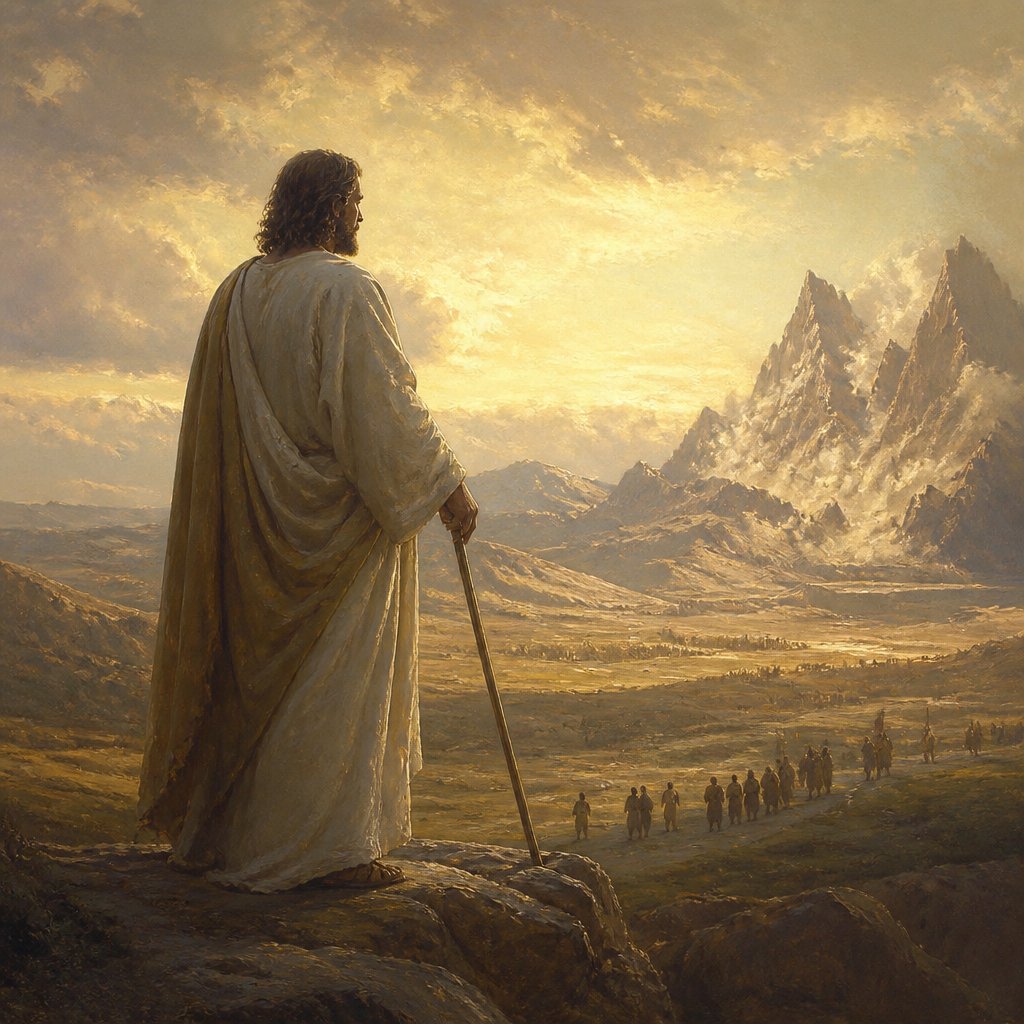
The verse Habakkuk 3:6 in the King James Version (KJV) of the Bible reads, "He stood, and measured the earth: he beheld, and drove asunder the nations; and the everlasting mountains were scattered, the perpetual hills did bow: his ways are everlasting."
This verse is part of a prayer of the prophet Habakkuk, who is expressing his awe and reverence for God's power and sovereignty. In order to fully understand the meaning and commentary of this verse, it is important to have some context about the book of Habakkuk and the historical background in which it was written.
The book of Habakkuk is one of the twelve minor prophets in the Old Testament. It is unique in that it is primarily a dialogue between the prophet Habakkuk and God. The book addresses the prophet's concerns about the apparent injustice and violence in the world, particularly within the nation of Judah. Habakkuk questions God about why He allows evil to persist and why He seems silent in the face of violence and wrongdoing. God responds to Habakkuk, reassuring him that He is in control, that justice will ultimately prevail, and that the righteous will live by faith (Habakkuk 2:4).
In the verse Habakkuk 3:6, the prophet is recounting a vision he had of God's power and majesty. The imagery is vivid and grand, invoking a sense of wonder and awe. The verse begins with "He stood, and measured the earth," indicating God's active involvement in the affairs of humanity. This image of God measuring the earth suggests His sovereignty and control over the world and its inhabitants. The act of measuring also denotes a sense of order and purpose, suggesting that God's actions are intentional and deliberate.
The verse continues with "he beheld, and drove asunder the nations," portraying God as a powerful force that can both observe and disrupt the nations of the world. This imagery speaks to the idea that God is not a passive observer of human events, but rather an active participant in the unfolding of history. The phrase "drove asunder" suggests a forceful and decisive action, indicating that God has the power to bring about significant changes in the nations of the earth.
The next part of the verse describes the enduring and unchanging nature of God's ways. It states, "the everlasting mountains were scattered, the perpetual hills did bow: his ways are everlasting." This imagery of the mountains and hills being scattered and bowed down signifies the profound impact of God's actions. It highlights the insignificance of even the most enduring and majestic elements of the earth when compared to the power and eternity of God. The phrase "his ways are everlasting" reinforces the idea that God's actions are eternal and unchanging, conveying a sense of stability and reliability.
Overall, the verse Habakkuk 3:6 conveys a powerful and awe-inspiring depiction of God's sovereignty and control over the world. The imagery used conveys a sense of God's active involvement in human affairs, His power to disrupt and change the course of nations, and the enduring nature of His ways. This verse serves as a reminder of God's ultimate authority and the assurance that His purposes will ultimately prevail.
The themes present in this verse are of God's sovereignty, power, and unchanging nature. It speaks to the idea that no nation or power on earth is beyond God's control, and that His ways are eternal and reliable. The imagery of mountains being scattered and hills bowing down serves as a powerful visual representation of God's might and authority.
In conclusion, the verse Habakkuk 3:6 from the King James Version of the Bible offers a profound and impactful portrayal of God's sovereignty and power. It serves as a reminder of His active involvement in human history, His ability to disrupt and change nations, and the unchanging nature of His ways. This verse is a testament to the majesty and awe-inspiring nature of God, and it offers reassurance that His purposes will ultimately prevail.
Get our apps


Artwork for Habakkuk 3:6

Habakkuk 3:6 - "He stood, and measured the earth: he beheld, and drove asunder the nations; and the everlasting mountains were scattered, the perpetual hills did bow: his ways are everlasting."

habakkuk 3: 6 He stood and measured the earth; He looked and startled the nations. And the everlasting mountains were scattered, The perpetual hills bowed.His ways are everlasting.
"He stood, and measured the earth: he beheld, and drove asunder the nations; and the everlasting mountains were scattered, the perpetual hills did bow: his ways are everlasting." - Habakkuk 3:6

Habakkuk 3:1 - "A prayer of Habakkuk the prophet upon Shigionoth."

"A prayer of Habakkuk the prophet upon Shigionoth." - Habakkuk 3:1

"A prayer of Habakkuk the prophet upon Shigionoth." - Habakkuk 3:1
![For the vision [is] yet for an appointed time, but at the end it shall speak, and not lie: though it tarry, wait for it; because it will surely come, it will not tarry.
Habakkuk 2:3
https://bible.art/verse/habakkuk-2:3](https://media.bible.art/d8f47f50-dcfd-4ed4-802f-e18a941d0e1c-thumbnail.jpg)
For the vision [is] yet for an appointed time, but at the end it shall speak, and not lie: though it tarry, wait for it; because it will surely come, it will not tarry. Habakkuk 2:3 https://bible.art/verse/habakkuk-2:3

Habakkuk 2:1-3

Habakkuk 3:18 - "Yet I will rejoice in the LORD, I will joy in the God of my salvation."

Habakkuk 3:12 - "Thou didst march through the land in indignation, thou didst thresh the heathen in anger."

"God came from Teman, and the Holy One from mount Paran. Selah. His glory covered the heavens, and the earth was full of his praise." - Habakkuk 3:3

Habakkuk 3:5 - "Before him went the pestilence, and burning coals went forth at his feet."

Habakkuk 3:7 - "I saw the tents of Cushan in affliction: and the curtains of the land of Midian did tremble."

Habakkuk 3:11 - "The sun and moon stood still in their habitation: at the light of thine arrows they went, and at the shining of thy glittering spear."

Habakkuk 3:15 - "Thou didst walk through the sea with thine horses, through the heap of great waters."

Habakkuk 3:3 - "God came from Teman, and the Holy One from mount Paran. Selah. His glory covered the heavens, and the earth was full of his praise."

Habakkuk 2:3 - "For the vision is yet for an appointed time, but at the end it shall speak, and not lie: though it tarry, wait for it; because it will surely come, it will not tarry."

Habakkuk 1:6 - "For, lo, I raise up the Chaldeans, that bitter and hasty nation, which shall march through the breadth of the land, to possess the dwellingplaces that are not their's."

Habakkuk 3:4 - "And his brightness was as the light; he had horns coming out of his hand: and there was the hiding of his power."
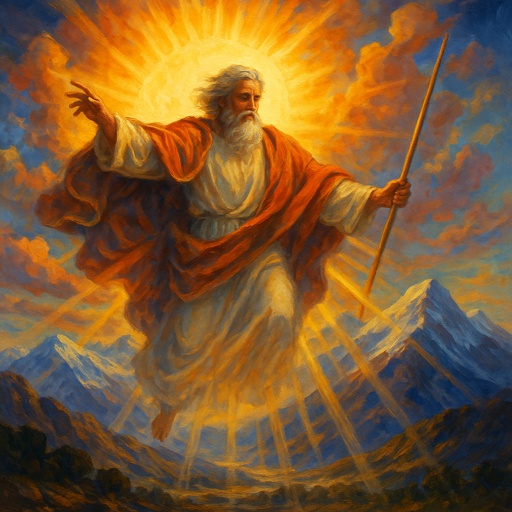
"God came from Teman, and the Holy One from mount Paran. Selah. His glory covered the heavens, and the earth was full of his praise." - Habakkuk 3:3

Habakkuk 3:10 - "The mountains saw thee, and they trembled: the overflowing of the water passed by: the deep uttered his voice, and lifted up his hands on high."

Habakkuk 3:9 - "Thy bow was made quite naked, according to the oaths of the tribes, even thy word. Selah. Thou didst cleave the earth with rivers."

habakkuk 3:15 You walked through the sea with Your horses, Through the heap of great waters.

"The sun and moon stood still in their habitation: at the light of thine arrows they went, and at the shining of thy glittering spear." - Habakkuk 3:11

"The sun and moon stood still in their habitation: at the light of thine arrows they went, and at the shining of thy glittering spear." - Habakkuk 3:11
![For the vision [is] yet for an appointed time, but at the end it shall speak, and not lie: though it tarry, wait for it; because it will surely come, it will not tarry.
Habakkuk 2:3](https://media.bible.art/8c6c47fe-57af-44d1-9c6f-b7f140aa16bb-thumbnail.jpg)
For the vision [is] yet for an appointed time, but at the end it shall speak, and not lie: though it tarry, wait for it; because it will surely come, it will not tarry. Habakkuk 2:3

Habakkuk 3:14 - "Thou didst strike through with his staves the head of his villages: they came out as a whirlwind to scatter me: their rejoicing was as to devour the poor secretly."

Habakkuk 1:3 - "Why dost thou shew me iniquity, and cause me to behold grievance? for spoiling and violence are before me: and there are that raise up strife and contention."
![For the vision [is] yet for an appointed time, but at the end it shall speak, and not lie: though it tarry, wait for it; because it will surely come, it will not tarry.
Habakkuk 2:3](https://media.bible.art/f3717109-af85-49d9-937d-4434f23f321f-thumbnail.jpg)
For the vision [is] yet for an appointed time, but at the end it shall speak, and not lie: though it tarry, wait for it; because it will surely come, it will not tarry. Habakkuk 2:3
![For the vision [is] yet for an appointed time, but at the end it shall speak, and not lie: though it tarry, wait for it; because it will surely come, it will not tarry.
Habakkuk 2:3](https://media.bible.art/5cc733ba-5821-46e6-afb5-9afdda6aa632-thumbnail.jpg)
For the vision [is] yet for an appointed time, but at the end it shall speak, and not lie: though it tarry, wait for it; because it will surely come, it will not tarry. Habakkuk 2:3