What does Hebrews 10:9 mean?
“Then said he, Lo, I come to do thy will, O God. He taketh away the first, that he may establish the second.” — Hebrews 10:9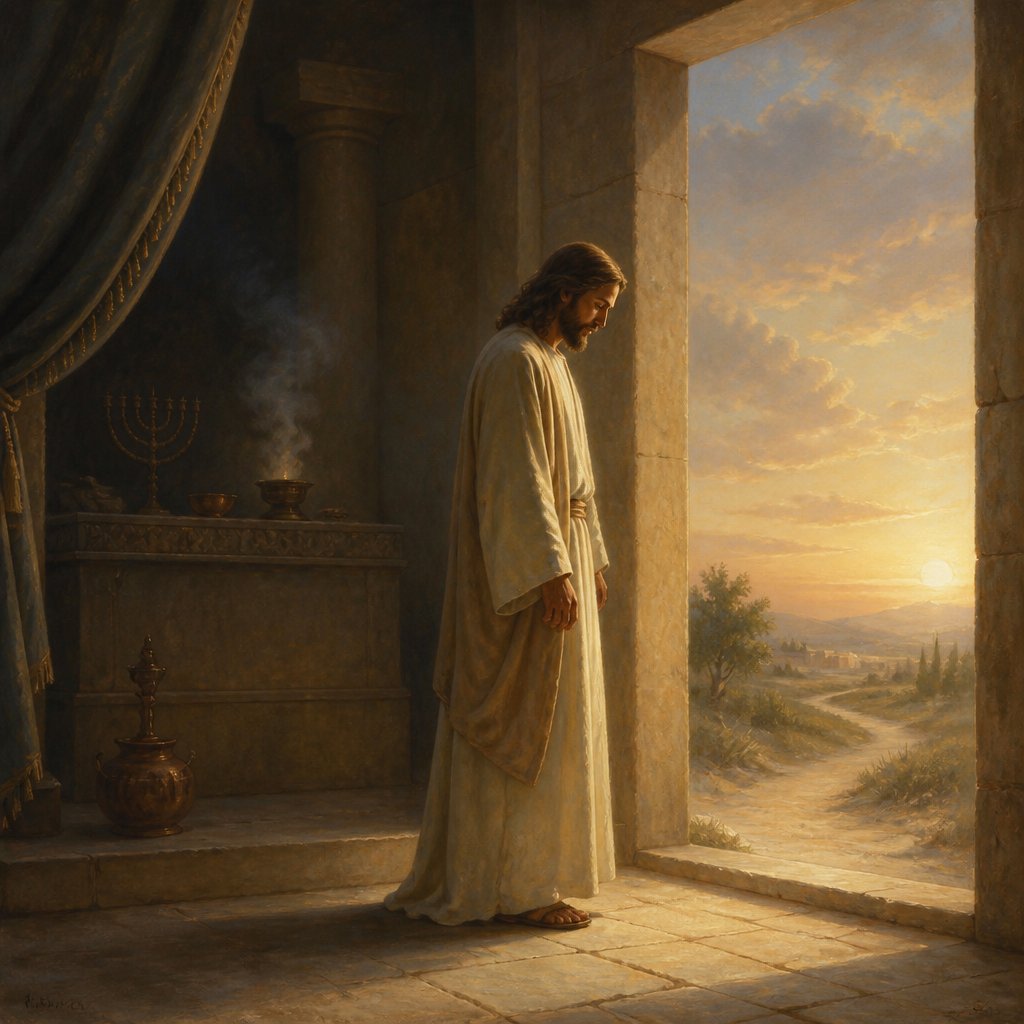
Hebrews 10:9 in the King James Version of the Bible reads, "Then said he, Lo, I come to do thy will, O God. He taketh away the first, that he may establish the second." This verse is part of a larger passage in the book of Hebrews that discusses the sacrifice of Jesus Christ and the superiority of his sacrifice over the Old Testament sacrificial system.
In order to fully understand the meaning and significance of this verse, it is important to consider the historical and cultural context in which it was written. The book of Hebrews was written to Jewish converts to Christianity who were struggling with the idea of choosing to follow Jesus Christ over the traditional Jewish practices. The author of Hebrews seeks to demonstrate that Jesus is the fulfillment of the Old Testament prophecies and the ultimate sacrifice for the forgiveness of sins. The verse in question here is a part of the author's argument for the superiority of Christ's sacrifice over the sacrifices of the Old Testament.
The first part of the verse, "Lo, I come to do thy will, O God," is a reference to Jesus' willingness to obey the will of God the Father by offering himself as a sacrifice for the sins of humanity. This reflects the submission and obedience of Jesus to the divine will, as well as his role as the perfect and ultimate sacrifice for the forgiveness of sins.
The second part of the verse, "He taketh away the first, that he may establish the second," refers to the replacement of the Old Testament sacrificial system with the sacrifice of Jesus Christ. In the Old Testament, the people of Israel were required to offer animal sacrifices to atone for their sins. However, these sacrifices were only temporary and could not completely remove sin. Jesus, as the perfect and unblemished sacrifice, "taketh away the first" by fulfilling the requirements of the old covenant and establishing the "second" or new covenant through his sacrificial death.
This verse is rich with symbolism and theological significance. It highlights the idea of continuity and fulfillment between the Old and New Testaments, as well as the establishment of a new and better covenant through the sacrifice of Christ. The theme of obedience to God's will and the ultimate submission of Jesus to the Father's plan for salvation is also evident in this verse.
Furthermore, the verse introduces the concept of atonement and redemption through Jesus' sacrifice, emphasizing the idea of substitutionary atonement in which Jesus takes the place of humanity as the ultimate sacrifice for sin. This understanding of Jesus' sacrifice is fundamental to the Christian faith and provides the basis for the forgiveness of sins and reconciliation with God.
In conclusion, Hebrews 10:9 in the King James Version of the Bible conveys the message of the superior and ultimate sacrifice of Jesus Christ, who came to fulfill the will of God and establish a new covenant through his sacrificial death. This verse is an integral part of the broader theological argument in the book of Hebrews, highlighting the themes of atonement, redemption, obedience, and the fulfillment of Old Testament prophecies in the person and work of Jesus Christ. It serves as a powerful reminder of the centrality of Christ's sacrifice in the Christian faith and the significance of his obedience to the divine will for the salvation of humanity.
Get our apps


Artwork for Hebrews 10:9

Hebrews 10:9 - "Then said he, Lo, I come to do thy will, O God. He taketh away the first, that he may establish the second."
"Then said he, Lo, I come to do thy will, O God. He taketh away the first, that he may establish the second." - Hebrews 10:9

Hebrews 9:10 - "Which stood only in meats and drinks, and divers washings, and carnal ordinances, imposed on them until the time of reformation."

Hebrews 10:5-10

Hebrews 10:5-10

Hebrews 10:22

Hebrews 10:20

Hebrews 10:10 - "By the which will we are sanctified through the offering of the body of Jesus Christ once for all."

Hebrews 4:9 - "There remaineth therefore a rest to the people of God."
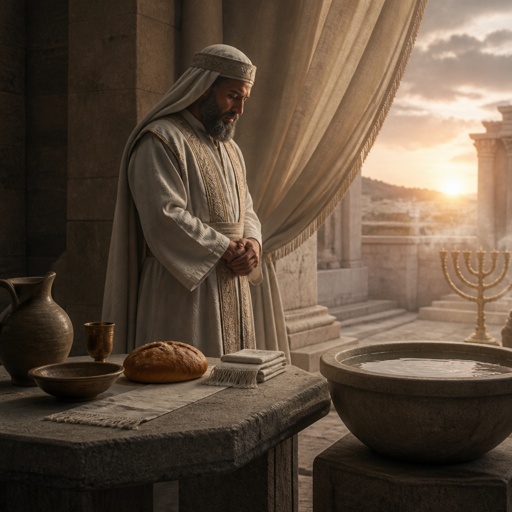
"Which stood only in meats and drinks, and divers washings, and carnal ordinances, imposed on them until the time of reformation." - Hebrews 9:10

Hebrews 10:17 - "And their sins and iniquities will I remember no more."

Hebrews 10:21 - "And having an high priest over the house of God;"

Hebrews 10:31 - "It is a fearful thing to fall into the hands of the living God."

Hebrews 9:16 - "For where a testament is, there must also of necessity be the death of the testator."

Hebrews 5:10 - "Called of God an high priest after the order of Melchisedec."

Hebrews 10:18 - "Now where remission of these is, there is no more offering for sin."

Hebrews 9:18 - "Whereupon neither the first testament was dedicated without blood."

Hebrews 9:27 - "And as it is appointed unto men once to die, but after this the judgment:"

Hebrews 10:14 - "For by one offering he hath perfected for ever them that are sanctified."

Hebrews 10:37 - "For yet a little while, and he that shall come will come, and will not tarry."

Hebrews (10:37) For just a little longer and he who is coming will arrive and not delay.

Hebrews 10:6 - "In burnt offerings and sacrifices for sin thou hast had no pleasure."

Hebrews 10:4 - "For it is not possible that the blood of bulls and of goats should take away sins."

Hebrews (10:37) For just a little longer and he who is coming will arrive and not delay.

Hebrews (10:37) For just a little longer and he who is coming will arrive and not delay.

Hebrews (10:37) For just a little longer and he who is coming will arrive and not delay.

Hebrews (10:37) For just a little longer and he who is coming will arrive and not delay.

Hebrews (10:37) For just a little longer and he who is coming will arrive and not delay.

Hebrews (10:37) For just a little longer and he who is coming will arrive and not delay.

Hebrews (10:37) For just a little longer and he who is coming will arrive and not delay.