What does Hebrews 2:13 mean?
“And again, I will put my trust in him. And again, Behold I and the children which God hath given me.” — Hebrews 2:13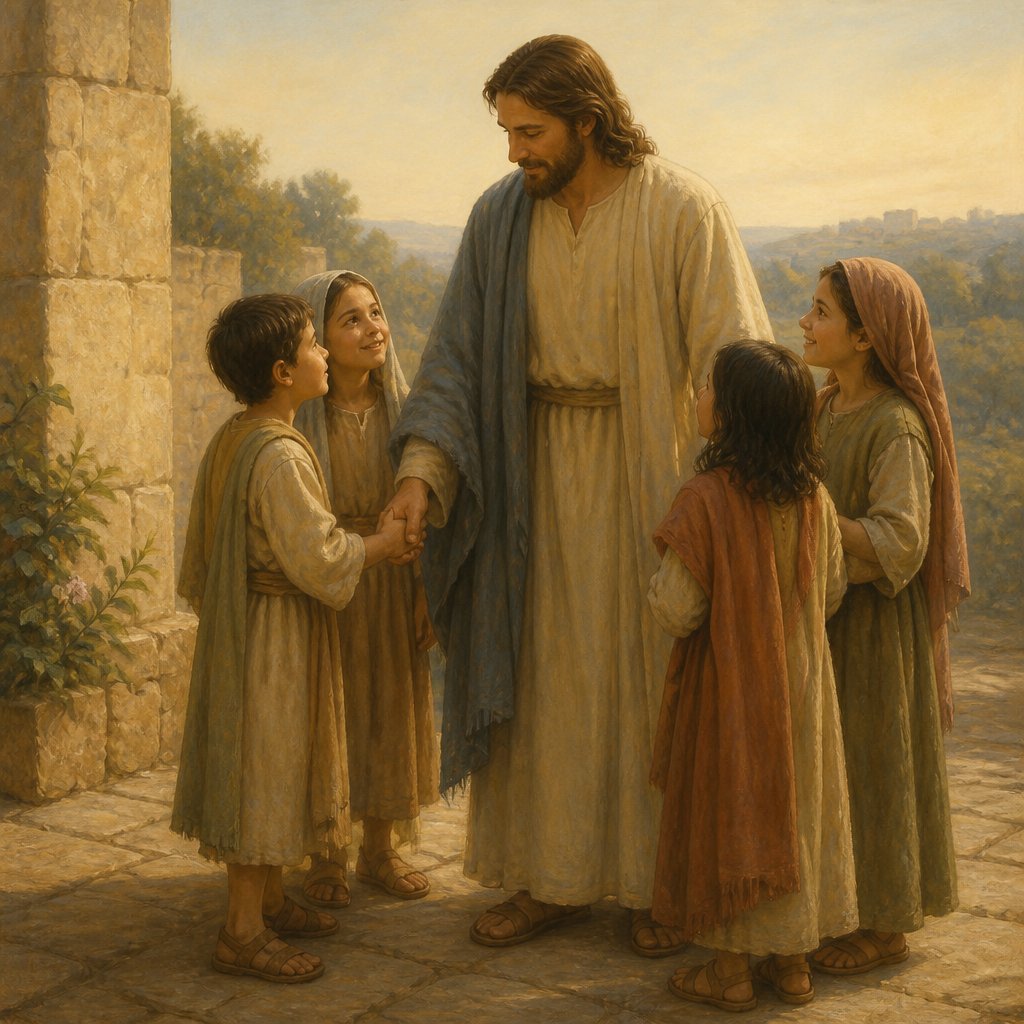
Hebrews 2:13 (KJV) says, "And again, I will put my trust in him. And again, Behold I and the children which God hath given me." This verse is a part of the letter to the Hebrews, which is a book of the New Testament that is attributed to the apostle Paul. The letter was written to the Hebrew Christians who were facing persecution and were struggling to hold onto their faith in Jesus Christ. The verse is a reference to two Old Testament passages, Isaiah 8:17 and Isaiah 8:18, and it is used by the author of Hebrews to emphasize the humanity and the redemptive work of Jesus Christ.
The theme of trust and obedience to God is prevalent in this verse. The author of Hebrews is quoting from the Old Testament to show how Jesus put his trust in God the Father and was obedient to His will. This is an example for the Hebrew Christians to follow, as they were facing persecution and trials that were testing their faith. By putting their trust in God and following the example of Jesus, they could find strength to endure and persevere in their faith.
Another theme in this verse is the idea of Jesus as the perfect, obedient Son of God. The verse speaks of God putting His trust in Jesus and how Jesus is not ashamed to call believers His brothers and sisters. This emphasizes the close and familial relationship that Jesus has with those who believe in Him.
The context of this verse is important to understand its full meaning. The author of Hebrews is addressing the superiority of Jesus Christ over the angels and how He has become the high priest and mediator between God and humanity. The quote from Isaiah is used to show the human side of Jesus and how He identified with humanity in order to redeem them. This was a comforting and encouraging message for the Hebrew Christians who were facing persecution and were in need of hope and assurance in their faith.
The symbolism in this verse is also significant. The reference to "the children which God hath given me" points to the believers who have been adopted into the family of God through faith in Jesus Christ. This demonstrates the love and care that God has for His children, and the close relationship that believers have with Jesus as their Savior and brother.
Overall, Hebrews 2:13 carries a message of hope, trust, and obedience to God. It reminds believers of the example of Jesus Christ and encourages them to persevere in their faith, knowing that they have a loving and caring Savior who understands and identifies with their struggles. This verse serves as a source of encouragement and strength for all who are facing trials and tribulations in their faith journey. The themes of trust, obedience, and the redemptive work of Jesus Christ are timeless and continue to resonate with believers today.
Get our apps


Artwork for Hebrews 2:13

Hebrews 2:13 - "And again, I will put my trust in him. And again, Behold I and the children which God hath given me."
"And again, I will put my trust in him. And again, Behold I and the children which God hath given me." - Hebrews 2:13

Hebrews 13:2 - "Be not forgetful to entertain strangers: for thereby some have entertained angels unawares."

"Be not forgetful to entertain strangers: for there by some have entertained angels unawares." - Hebrews 13:2

Hebrews 13:3
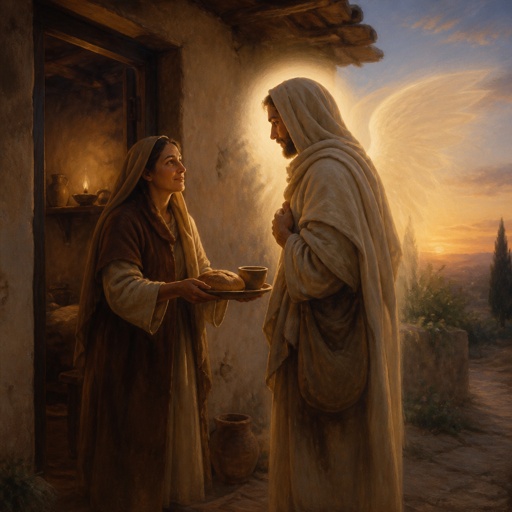
"Be not forgetful to entertain strangers: for thereby some have entertained angels unawares." - Hebrews 13:2

Hebrews 13:25 - "Grace be with you all. Amen."

Exodus 2:13 - "And when he went out the second day, behold, two men of the Hebrews strove together: and he said to him that did the wrong, Wherefore smitest thou thy fellow?"

Hebrews 13:1 - "Let brotherly love continue."

Hebrews 13:13 - "Let us go forth therefore unto him without the camp, bearing his reproach."

Hebrews 13:8 - "Jesus Christ the same yesterday, and to day, and for ever."

Hebrews 13:14 - "For here have we no continuing city, but we seek one to come."

hebrew 13:20

Hebrews 13:16 - "But to do good and to communicate forget not: for with such sacrifices God is well pleased."

Hebrews 10:13 - "From henceforth expecting till his enemies be made his footstool."

"Grace be with you all. Amen." - Hebrews 13:25

Hebrews 13:4 - "Marriage is honourable in all, and the bed undefiled: but whoremongers and adulterers God will judge."

Hebrews 5:13 - "For every one that useth milk is unskilful in the word of righteousness: for he is a babe."

"Let brotherly love continue." - Hebrews 13:1

Hebrews 9:13 - "For if the blood of bulls and of goats, and the ashes of an heifer sprinkling the unclean, sanctifieth to the purifying of the flesh:"

Hebrews 13:10 - "We have an altar, whereof they have no right to eat which serve the tabernacle."

Hebrews 13:19 - "But I beseech you the rather to do this, that I may be restored to you the sooner."

Hebrews 13:24 - "Salute all them that have the rule over you, and all the saints. They of Italy salute you."

Hebrews 7:13 - "For he of whom these things are spoken pertaineth to another tribe, of which no man gave attendance at the altar."

Hebrews 13:11 - "For the bodies of those beasts, whose blood is brought into the sanctuary by the high priest for sin, are burned without the camp."

Hebrews 13:3 - "Remember them that are in bonds, as bound with them; and them which suffer adversity, as being yourselves also in the body."

Hebrews 6:13 - "For when God made promise to Abraham, because he could swear by no greater, he sware by himself,"

Hebrews 13:18 - "Pray for us: for we trust we have a good conscience, in all things willing to live honestly."

"Jesus Christ the same yesterday, and to day, and for ever." - Hebrews 13:8

Hebrews 13:12 - "Wherefore Jesus also, that he might sanctify the people with his own blood, suffered without the gate."