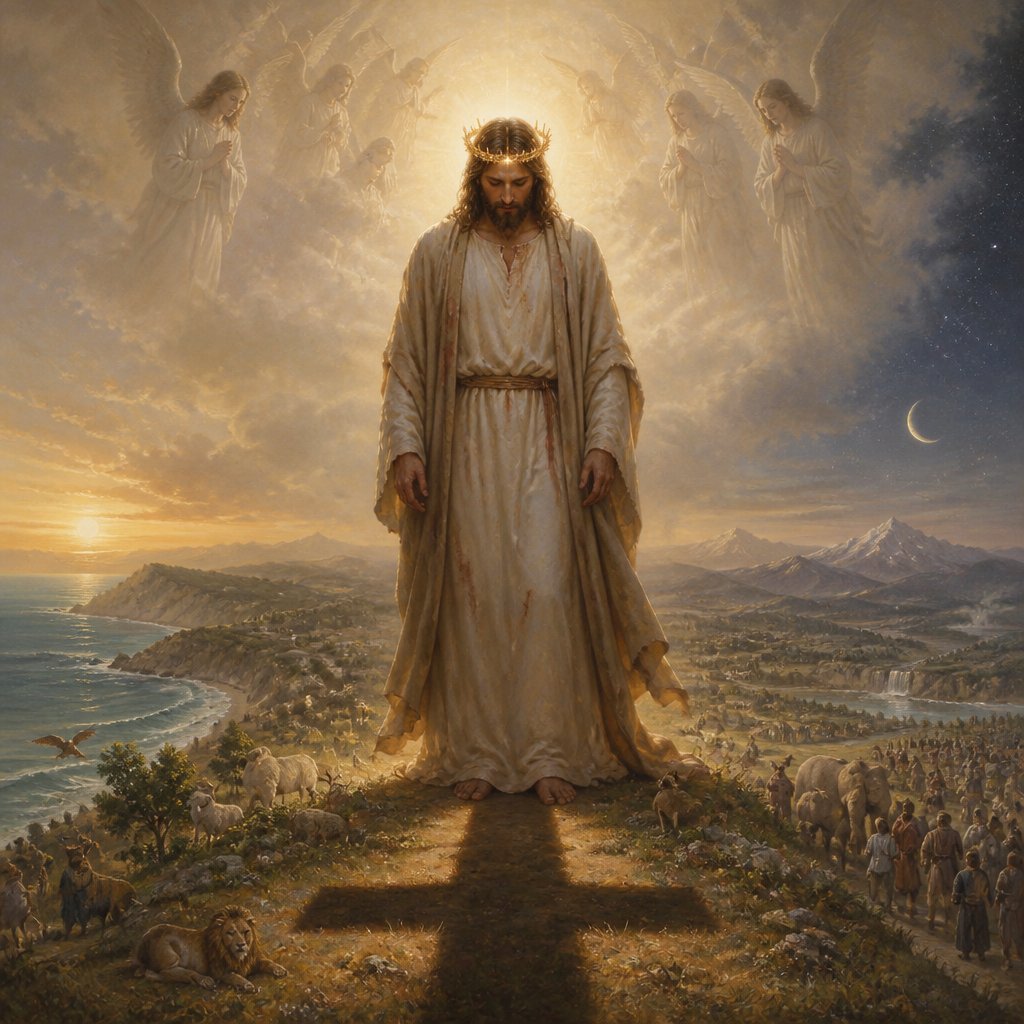
Hebrews 2:5-9 in the King James Version (KJV) reads:
"For unto the angels hath he not put in subjection the world to come, whereof we speak. But one in a certain place testified, saying, What is man, that thou art mindful of him? or the son of man that thou visitest him? Thou madest him a little lower than the angels; thou crownedst him with glory and honour, and didst set him over the works of thy hands: Thou hast put all things in subjection under his feet. For in that he put all in subjection under him, he left nothing that is not put under him. But now we see not yet all things put under him. But we see Jesus, who was made a little lower than the angels for the suffering of death, crowned with glory and honour; that he by the grace of God should taste death for every man."
The book of Hebrews is a New Testament epistle believed to have been written by the Apostle Paul. It is a theological treatise that addresses the superiority of Jesus Christ and the new covenant in comparison to the old covenant and the religious practices of Judaism.
In this passage, the author of Hebrews explores the relationship between humanity and angels, as well as the exaltation of Jesus Christ. The passage begins with a declaration that the world to come is not subject to angels, indicating that humanity has a unique and privileged position in the divine order. This statement is a direct contrast to the prevailing belief in Jewish tradition at the time, which held angels in high regard and believed they played a significant role in the governance of the world.
The author then quotes from Psalm 8:4-6, which reflects on the insignificance of humanity in comparison to the divine. The question "What is man, that thou art mindful of him?" highlights the wonder that God would pay attention to and care for such lowly creatures. The passage acknowledges that God has made humanity "a little lower than the angels," a reference to the creation account in Genesis where it states that man was made in the image of God and given dominion over the earth. Despite humanity's humble position in the cosmic order, God has crowned humanity "with glory and honour" and placed all things under their authority.
The writer of Hebrews then introduces Jesus Christ as the ultimate exemplar of this exalted status. Although Jesus was made "a little lower than the angels" for the purpose of suffering and death, he is now "crowned with glory and honour." This alludes to the exaltation of Jesus following his death and resurrection, as he is now seated at the right hand of God, having been given authority over all creation. This exaltation is seen as a result of the grace of God, and it is emphasized that Jesus tasted death for every man, highlighting the universal significance of his sacrifice.
The themes present in this passage are manifold. Firstly, it addresses the inherent dignity and value of humanity in the eyes of God. Despite our limited understanding and the apparent insignificance of our earthly existence, God has granted humanity a position of honor and authority. This reflects the biblical concept of the divine image stamped upon every human being, endowing each person with inherent worth and purpose.
Secondly, the passage emphasizes the exaltation of Jesus Christ as the ultimate fulfillment of humanity's divine calling. In his incarnation, suffering, and resurrection, Jesus embodies the perfect union of humanity and divinity. Through his sacrificial death, he has secured redemption for all people, demonstrating the limitless love and grace of God. This exaltation of Jesus serves as a model for believers, inspiring them to live in the hope of their own future glorification and reign with Christ.
The symbolism within the passage is primarily focused on the contrast between the humble status of humanity and the exalted status of Jesus Christ. The imagery of being made "a little lower than the angels" underscores the vulnerability and limitations of human existence, while the crowning with "glory and honour" speaks to the potential for greatness that God has endowed upon humanity through his grace. The subjection of all things under the feet of humanity is a symbol of authority and dominion, reflecting the divine intention for humanity to rule over creation.
In conclusion, Hebrews 2:5-9 presents a profound reflection on the significance of humanity and the exaltation of Jesus Christ. It challenges traditional views of the cosmic order and offers a hopeful vision of the future glorification of believers. The passage serves to affirm the worth and dignity of every individual and inspire them to live in the hope of their ultimate exaltation and reign with Christ.
Get our apps


Artwork for Hebrews 2:5-9

Hebrews 2:5-9 - "For unto the angels hath he not put in subjection the world to come, whereof we speak. But one in a certain place testified, saying, What is man, that thou art mindful of him? or the son of man that thou visitest him? Thou madest him a little lower than the angels; thou crownedst him with glory and honour, and didst set him over the works of thy hands: Thou hast put all things in subjection under his feet. For in that he put all in subjection under him, he left nothing that is not put under him. But now we see not yet all things put under him. But we see Jesus, who was made a little lower than the angels for the suffering of death, crowned with glory and honour; that he by the grace of God should taste death for every man."
"For unto the angels hath he not put in subjection the world to come, whereof we speak. But one in a certain place testified, saying, What is man, that thou art mindful of him? or the son of man that thou visitest him? Thou madest him a little lower than the angels; thou crownedst him with glory and honour, and didst set him over the works of thy hands: Thou hast put all things in subjection under his feet. For in that he put all in subjection under him, he left nothing that is not put under him. But now we see not yet all things put under him. But we see Jesus, who was made a little lower than the angels for the suffering of death, crowned with glory and honour; that he by the grace of God should taste death for every man." - Hebrews 2:5-9

Hebrews 9:5 - "And over it the cherubims of glory shadowing the mercyseat; of which we cannot now speak particularly."

Hebrews 2:5 - "For unto the angels hath he not put in subjection the world to come, whereof we speak."

Hebrews 5:9 - "And being made perfect, he became the author of eternal salvation unto all them that obey him;"

Hebrews 9:2 - "For there was a tabernacle made; the first, wherein was the candlestick, and the table, and the shewbread; which is called the sanctuary."

Hebrews 5:2 - "Who can have compassion on the ignorant, and on them that are out of the way; for that he himself also is compassed with infirmity."
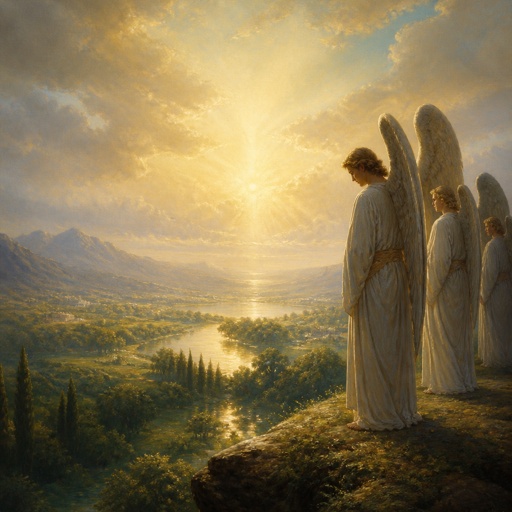
"For unto the angels hath he not put in subjection the world to come, whereof we speak." - Hebrews 2:5
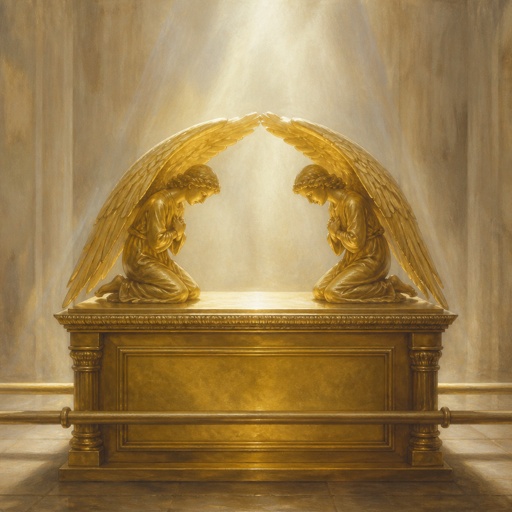
"And over it the cherubims of glory shadowing the mercyseat; of which we cannot now speak particularly." - Hebrews 9:5

Hebrews 5:8-9 - "Though he were a Son, yet learned he obedience by the things which he suffered; And being made perfect, he became the author of eternal salvation unto all them that obey him."

Hebrews 8:5
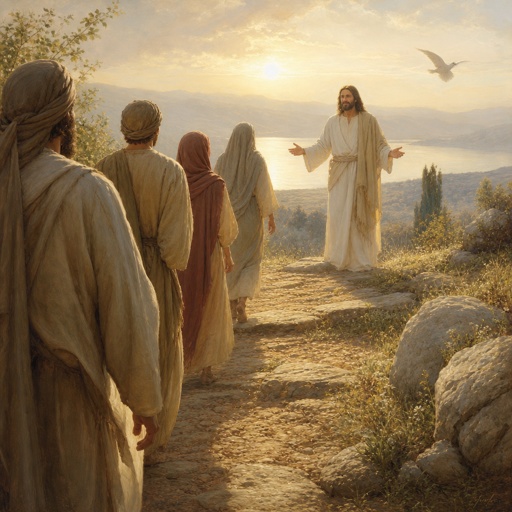
"And being made perfect, he became the author of eternal salvation unto all them that obey him;" - Hebrews 5:9

John 5:2 - "Now there is at Jerusalem by the sheep market a pool, which is called in the Hebrew tongue Bethesda, having five porches."

Hebrews 8:1-5

Hebrews 2:9 - "But we see Jesus, who was made a little lower than the angels for the suffering of death, crowned with glory and honour; that he by the grace of God should taste death for every man."

Hebrews 10:5-10

Hebrews 10:5-10
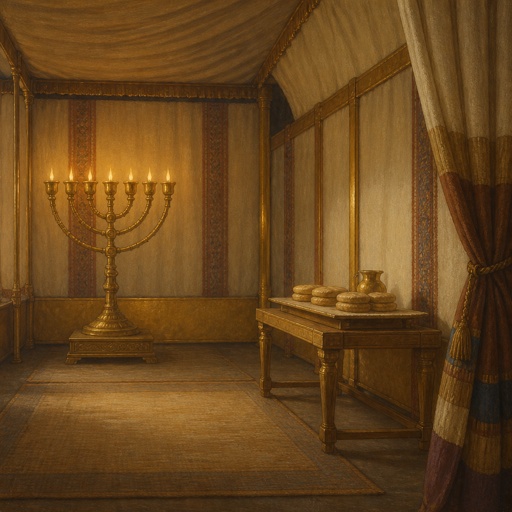
"For there was a tabernacle made; the first, wherein was the candlestick, and the table, and the shewbread; which is called the sanctuary." - Hebrews 9:2

Hebrews 4:9 - "There remaineth therefore a rest to the people of God."

Hebrews 9:16 - "For where a testament is, there must also of necessity be the death of the testator."

Hebrews 4:5 - "And in this place again, If they shall enter into my rest."

Hebrews 5:10 - "Called of God an high priest after the order of Melchisedec."

Hebrews 9:18 - "Whereupon neither the first testament was dedicated without blood."

Hebrews 9:27 - "And as it is appointed unto men once to die, but after this the judgment:"

Hebrews 6:5 - "And have tasted the good word of God, and the powers of the world to come,"

Hebrews 9:3 - "And after the second veil, the tabernacle which is called the Holiest of all;"
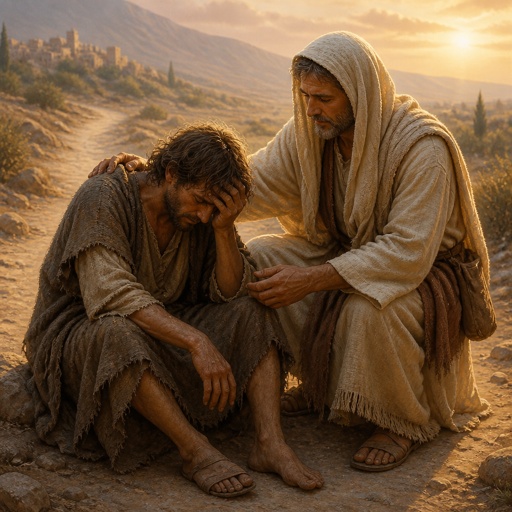
"Who can have compassion on the ignorant, and on them that are out of the way; for that he himself also is compassed with infirmity." - Hebrews 5:2

Hebrews 9:9 - "Which was a figure for the time then present, in which were offered both gifts and sacrifices, that could not make him that did the service perfect, as pertaining to the conscience;"

Hebrews 9:13 - "For if the blood of bulls and of goats, and the ashes of an heifer sprinkling the unclean, sanctifieth to the purifying of the flesh:"

Hebrews 9:20 - "Saying, This is the blood of the testament which God hath enjoined unto you."