What does Hebrews 4:9 mean?
“There remaineth therefore a rest to the people of God.” — Hebrews 4:9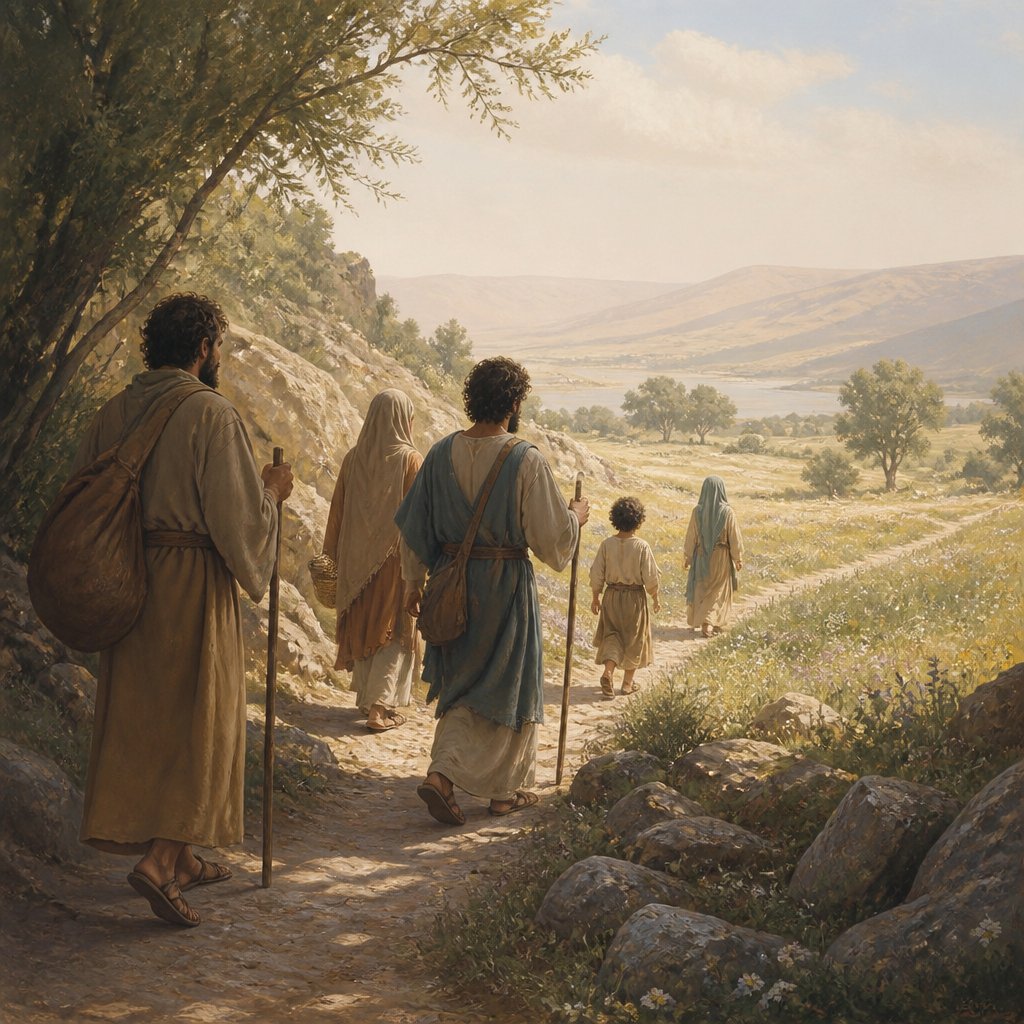
Hebrews 4:9 (KJV) reads, "There remaineth therefore a rest to the people of God." This verse speaks to the promise of rest and salvation for those who are faithful to God. In order to fully understand the meaning and significance of this verse, it is important to look at the context in which it is found, the broader themes of the book of Hebrews, and the symbolism that it carries.
The book of Hebrews is believed to have been written by the apostle Paul, although the authorship is not definitively known. The book is addressed to Jewish Christians who were facing persecution and hardships in their faith journey. The overarching theme of Hebrews is the superiority of Christ and the New Covenant over the old Mosaic Law and the rituals of the Jewish religion. The author emphasizes the need for perseverance in the face of trials and tribulations, and the importance of holding fast to one's faith in God.
In the immediate context of Hebrews 4:9, the author is discussing the concept of Sabbath rest. The Sabbath was a day of rest and reflection in the Jewish tradition, but the author of Hebrews expands on this idea to present a spiritual rest that is available to believers in Christ. This rest is not just a cessation of work, but a deep spiritual peace and security that comes from being in right relationship with God.
The verse also speaks to the idea of salvation and eternal life for those who are part of the "people of God." This phrase refers to those who have accepted Christ as their savior and are living in accordance with God's will. The rest that is promised is not just a temporary respite from the challenges of life, but an eternal rest in the presence of God.
The symbolism in Hebrews 4:9 is significant. The concept of rest is a powerful image that is used throughout the Bible to represent God's provision and faithfulness. In the Old Testament, the Promised Land was often referred to as a place of rest for the Israelites, a place where they could dwell in safety and security. In the New Testament, Jesus himself offers rest to those who are weary and burdened (Matthew 11:28). The rest that is promised in Hebrews 4:9 is a fulfillment of these earlier promises, a rest that is found in Christ and his redemptive work.
The theme of rest and salvation in Hebrews 4:9 speaks to the hopes and struggles of the original audience, and continues to resonate with believers today. In a world filled with trials and tribulations, the promise of ultimate rest and salvation is a source of hope and encouragement. It reminds believers that their present difficulties are temporary, and that they have a secure and eternal hope in Christ.
In conclusion, Hebrews 4:9 is a powerful reminder of the rest and salvation that is available to God's people. It is a promise of ultimate peace and security in the presence of God, and an encouragement for believers to persevere in their faith. The verse's rich symbolism and its place within the broader themes of the book of Hebrews make it a profound and meaningful declaration of God's faithfulness to those who trust in Him.
Get our apps


Artwork for Hebrews 4:9

Hebrews 4:9 - "There remaineth therefore a rest to the people of God."
"There remaineth therefore a rest to the people of God." - Hebrews 4:9

Hebrews 4:9-11 - "So then, there remains a Sabbath rest for the people of God, for whoever has entered God's rest has also rested from his works as God did from his. Let us therefore strive to enter that rest, so that no one may fall by the same sort of disobedience."
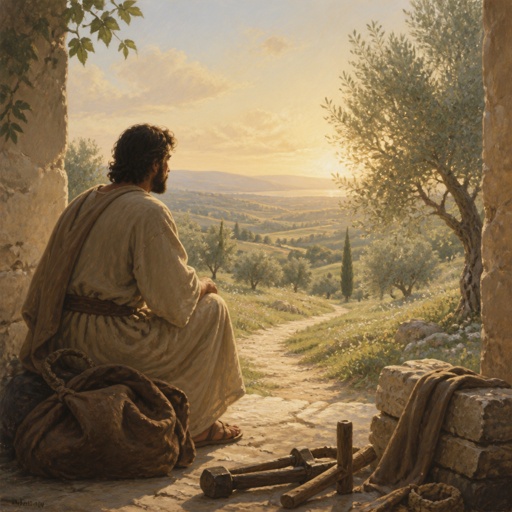
"So then, there remains a Sabbath rest for the people of God, for whoever has entered God's rest has also rested from his works as God did from his. Let us therefore strive to enter that rest, so that no one may fall by the same sort of disobedience." - Hebrews 4:9-11

Hebrews 9:4 - "Which had the golden censer, and the ark of the covenant overlaid round about with gold, wherein was the golden pot that had manna, and Aaron's rod that budded, and the tables of the covenant;"

1 Samuel 4:9 - "Be strong, and quit yourselves like men, O ye Philistines, that ye be not servants unto the Hebrews, as they have been to you: quit yourselves like men, and fight."

Hebrews 9:16 - "For where a testament is, there must also of necessity be the death of the testator."

Hebrews 9:18 - "Whereupon neither the first testament was dedicated without blood."

Hebrews 9:27 - "And as it is appointed unto men once to die, but after this the judgment:"

Hebrews 9:3 - "And after the second veil, the tabernacle which is called the Holiest of all;"

Hebrews 9:9 - "Which was a figure for the time then present, in which were offered both gifts and sacrifices, that could not make him that did the service perfect, as pertaining to the conscience;"

Hebrews 4:5 - "And in this place again, If they shall enter into my rest."

Hebrews 9:13 - "For if the blood of bulls and of goats, and the ashes of an heifer sprinkling the unclean, sanctifieth to the purifying of the flesh:"

Hebrews 9:20 - "Saying, This is the blood of the testament which God hath enjoined unto you."

Hebrews 9:21 - "Moreover he sprinkled with blood both the tabernacle, and all the vessels of the ministry."

Hebrews 10:4 - "For it is not possible that the blood of bulls and of goats should take away sins."

Hebrews 9:17 - "For a testament is of force after men are dead: otherwise it is of no strength at all while the testator liveth."

Hebrews 9:2 - "For there was a tabernacle made; the first, wherein was the candlestick, and the table, and the shewbread; which is called the sanctuary."

Hebrews 9:1 - "Then verily the first covenant had also ordinances of divine service, and a worldly sanctuary."

Hebrews 9:22 - "And almost all things are by the law purged with blood; and without shedding of blood is no remission."

Hebrews 4:4 - "For he spake in a certain place of the seventh day on this wise, And God did rest the seventh day from all his works."

Hebrews 12:4 - "Ye have not yet resisted unto blood, striving against sin."

Hebrews 4:12 – "For the word of God is alive and active. Sharper than any double-edged sword."

Hebrews 3:9 - "When your fathers tempted me, proved me, and saw my works forty years."

Hebrews 9:5 - "And over it the cherubims of glory shadowing the mercyseat; of which we cannot now speak particularly."

Hebrews 6:9 - "But, beloved, we are persuaded better things of you, and things that accompany salvation, though we thus speak."

Hebrews 4:12 – "For the word of God is alive and active. Sharper than any double-edged sword."

Hebrews 13:4 - "Marriage is honourable in all, and the bed undefiled: but whoremongers and adulterers God will judge."

Hebrews 5:4 - "And no man taketh this honour unto himself, but he that is called of God, as was Aaron."

Hebrews 7:9 - "And as I may so say, Levi also, who receiveth tithes, payed tithes in Abraham."