What does Hebrews 7:18 mean?
“For there is verily a disannulling of the commandment going before for the weakness and unprofitableness thereof.” — Hebrews 7:18
Hebrews 7:18 in the King James Version reads, "For there is verily a disannulling of the commandment going before for the weakness and unprofitableness thereof."
This verse is found in the book of Hebrews, which is a letter written to Jewish Christians who were facing persecution and were considering turning back to Judaism. The author of Hebrews, whose identity is unknown, sought to encourage and exhort the believers to remain faithful to Jesus Christ and to persevere in their faith despite the challenges they were facing.
The verse speaks to the superiority of the priesthood of Jesus Christ compared to the Levitical priesthood established in the Old Testament. In the preceding verses, the author of Hebrews contrasts the priesthood of Jesus, who belongs to the order of Melchizedek, with the Levitical priests who trace their lineage to Aaron. The Levitical priesthood was established under the Mosaic law, with the requirement of priests coming from the tribe of Levi and their service being conducted in the earthly tabernacle or temple.
The "commandment" mentioned in this verse refers to the law and the system of the Levitical priesthood. The author of Hebrews is emphasizing that the previous commandment, referring to the Law of Moses, has been set aside or annulled in light of the new priesthood of Jesus Christ.
The reason for this disannulling is the weakness and unprofitableness of the previous priesthood and law. The weakness of the Levitical priesthood and the Mosaic law lies in their inability to bring about true and lasting salvation for humanity. The sacrifices offered by the Levitical priests could not fully atone for sin, and the law only served to bring about a knowledge of sin without providing a means for true forgiveness and reconciliation with God.
The unprofitableness of the previous commandment refers to its inability to bring about spiritual transformation and the redemption of humanity. The sacrifices and rituals prescribed by the law could not bring about a change of heart or cleanse the conscience of the worshippers. The author of Hebrews contrasts this with the efficacy of Jesus' priesthood, which brings about true and lasting forgiveness of sins and enables believers to draw near to God with confidence.
This verse underscores the theological theme of the superiority of Jesus' priesthood and the new covenant inaugurated by his sacrifice. Throughout the book of Hebrews, the author emphasizes that Jesus is the ultimate High Priest who offers a perfect and once-for-all sacrifice for sin. His priesthood is superior to that of the Levitical priests because it is based on his indestructible life and his ability to intercede for believers forever.
The context of this verse within the book of Hebrews is crucial for understanding its significance. The author is addressing Jewish believers who were tempted to return to the rituals and traditions of Judaism, particularly in the face of persecution. The author's argument is that Jesus is the fulfillment of the Old Testament law and the ultimate High Priest who has offered the final sacrifice for sin.
Symbolically, this verse represents the transition from the old covenant to the new covenant, from the earthly and imperfect priesthood to the heavenly and perfect priesthood of Jesus Christ. It symbolizes the end of the old sacrificial system and the inauguration of a new and better way of approaching God through the mediation of Jesus.
In conclusion, Hebrews 7:18 is a pivotal verse in the book of Hebrews, emphasizing the superiority of Jesus' priesthood and the annulment of the previous commandment and system of the Levitical priesthood. It underscores the theological themes of the new covenant and the efficacy of Jesus' sacrifice in bringing about true forgiveness and reconciliation with God. The verse speaks to the hearts of believers, encouraging them to place their faith and trust in the finished work of Jesus Christ as their ultimate High Priest and Savior.
Get our apps


Artwork for Hebrews 7:18

Hebrews 7:18 - "For there is verily a disannulling of the commandment going before for the weakness and unprofitableness thereof."

"For there is verily a disannulling of the commandment going before for the weakness and unprofitableness thereof." - Hebrews 7:18

Hebrews 7:7 - "And without all contradiction the less is blessed of the better."

Hebrews 10:18 - "Now where remission of these is, there is no more offering for sin."

Hebrews 11:18 - "Of whom it was said, That in Isaac shall thy seed be called:"

Hebrews 9:18 - "Whereupon neither the first testament was dedicated without blood."

Hebrews 3:18 - "And to whom sware he that they should not enter into his rest, but to them that believed not?"

Hebrews 7:20 - "And inasmuch as not without an oath he was made priest:"

Hebrews 2:18 - "For in that he himself hath suffered being tempted, he is able to succour them that are tempted."

"And without all contradiction the less is blessed of the better." - Hebrews 7:7

Hebrews 7:12 - "For the priesthood being changed, there is made of necessity a change also of the law."

Hebrews 7:24 - "But this man, because he continueth ever, hath an unchangeable priesthood."

Hebrews 7:22 - "By so much was Jesus made a surety of a better testament."

Hebrews 13:18 - "Pray for us: for we trust we have a good conscience, in all things willing to live honestly."

Hebrews 12:18 - "For ye are not come unto the mount that might be touched, and that burned with fire, nor unto blackness, and darkness, and tempest,"
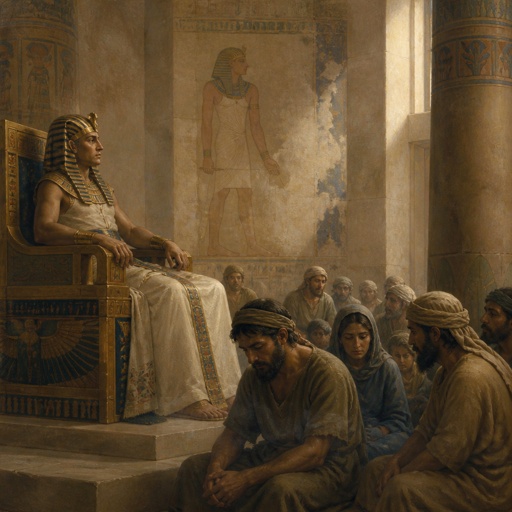
"Till another king arose, which knew not Joseph." - Acts 7:18

Hebrews 7:17 - "For he testifieth, Thou art a priest for ever after the order of Melchisedec."

Hebrews 7:10 - "For he was yet in the loins of his father, when Melchisedec met him."

"Now where remission of these is, there is no more offering for sin." - Hebrews 10:18

Hebrews 7:16 - "Who is made, not after the law of a carnal commandment, but after the power of an endless life."

Hebrews 3:7 - "Wherefore (as the Holy Ghost saith, To day if ye will hear his voice,"

Exodus 18:7 - "¶ And Moses went out to meet his father in law, and did obeisance, and kissed him; and they asked each other of their welfare; and they came into the tent."

Hebrews 8:7 - "For if that first covenant had been faultless, then should no place have been sought for the second."

Hebrews 7:15 - "And it is yet far more evident: for that after the similitude of Melchisedec there ariseth another priest,"
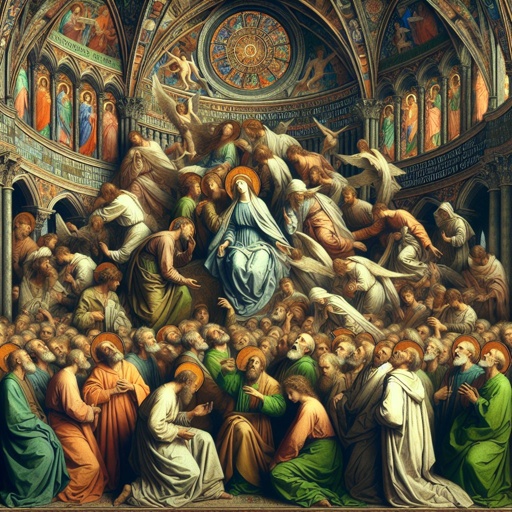
Hebrews 7:23 - "And they truly were many priests, because they were not suffered to continue by reason of death:"

Hebrews 7:8 - "And here men that die receive tithes; but there he receiveth them, of whom it is witnessed that he liveth."

Hebrews 1:7 - "And of the angels he saith, Who maketh his angels spirits, and his ministers a flame of fire."
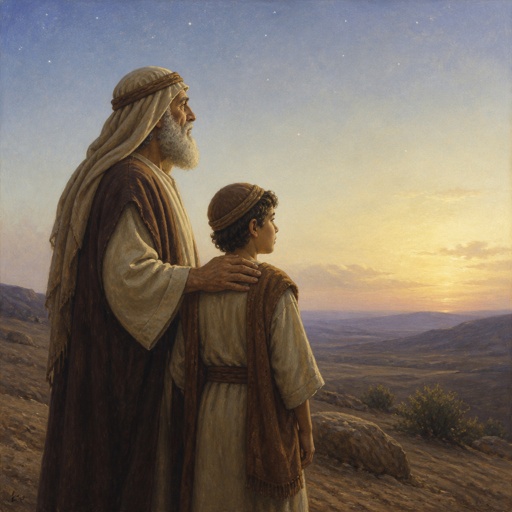
"Of whom it was said, That in Isaac shall thy seed be called:" - Hebrews 11:18
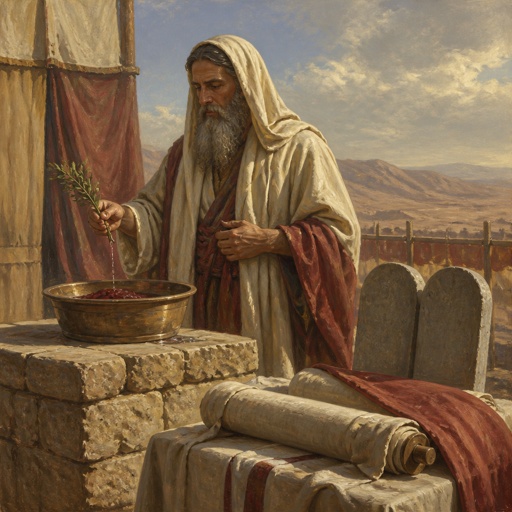
"Whereupon neither the first testament was dedicated without blood." - Hebrews 9:18

Hebrews 10:7 - "Then said I, Lo, I come (in the volume of the book it is written of me,) to do thy will, O God."