What does Hebrews 9:14 mean?
“How much more shall the blood of Christ, who through the eternal Spirit offered himself without spot to God, purge your conscience from dead works to serve the living God?” — Hebrews 9:14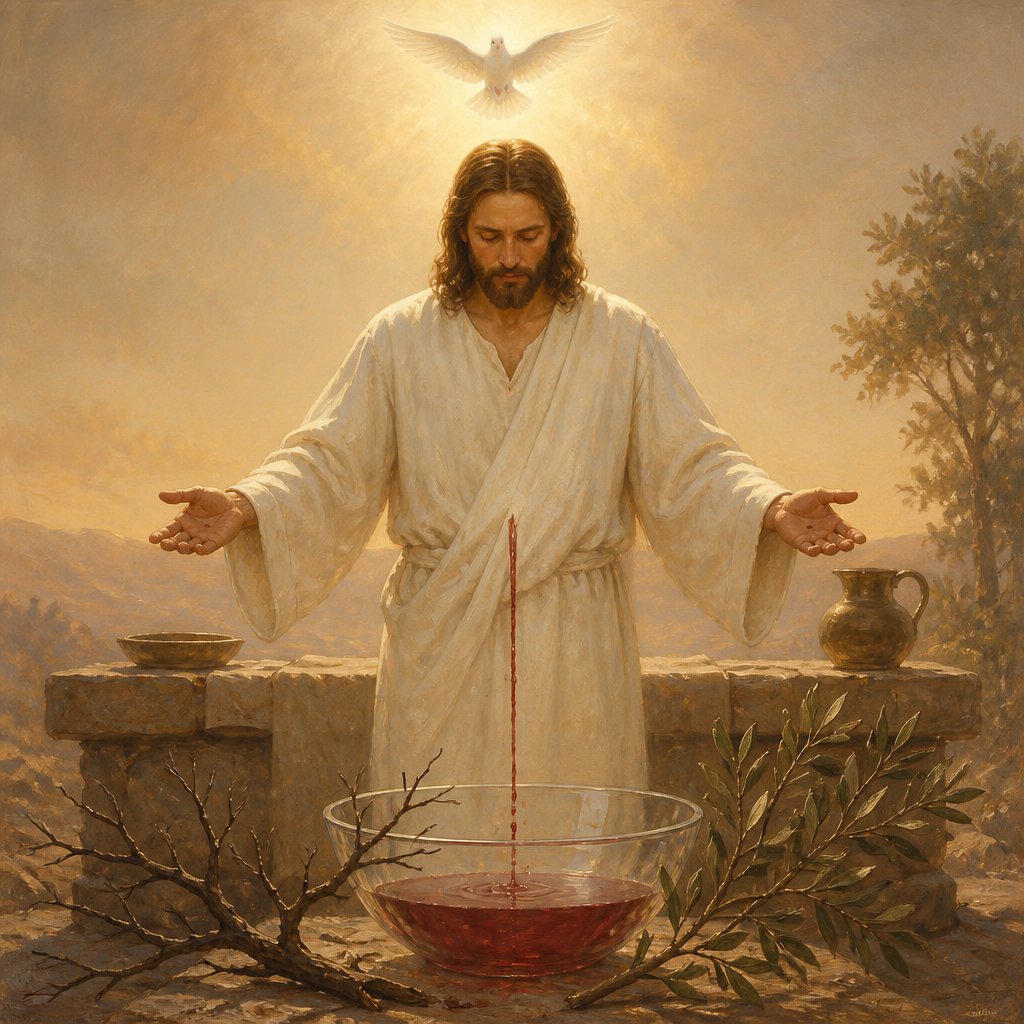
Hebrews 9:14 in the King James Version (KJV) of the Bible reads:
"How much more shall the blood of Christ, who through the eternal Spirit offered himself without spot to God, purge your conscience from dead works to serve the living God?"
This verse serves as a powerful reminder of the significance and efficacy of Christ's sacrifice on the cross. It conveys the idea that Christ's blood, shed for the atonement of our sins, is far more effective and superior to any other form of sacrifice. The verse also touches on the cleansing and purifying nature of Christ's sacrifice, and its ability to free believers from the burden of guilt and sin, in order to serve the living God with a clean conscience.
One of the key themes present in this verse is the concept of redemption through the blood of Christ. Throughout the Bible, blood is often used as a symbol of atonement and sacrifice, and Hebrews 9:14 emphasizes the unparalleled power and sufficiency of Christ's blood in providing redemption for all believers. The verse reinforces the idea that it is only through the shedding of Christ's blood that we can experience true and lasting forgiveness of sins. This theme highlights the central importance of Christ's sacrifice in the Christian faith, and serves as a reminder of the transformative and life-changing power of the gospel.
The context of this verse is found within the broader discussion of the superiority of Christ's sacrifice and priesthood, as compared to the Old Testament sacrificial system. The author of Hebrews contrasts the temporary and imperfect nature of the sacrifices offered in the Old Testament with the once-for-all sacrifice of Christ, highlighting the eternal and unchanging efficacy of his sacrifice. This emphasis on the superiority of Christ's sacrifice reflects a central theme throughout the book of Hebrews, which seeks to provide encouragement and assurance to believers, while also addressing potential doubts and uncertainties about the sufficiency of Christ's sacrifice.
Symbolism plays a key role in Hebrews 9:14, particularly in its reference to the blood of Christ. In biblical symbolism, blood represents life, and the shedding of blood is often associated with sacrifice and atonement. The verse emphasizes the purity and perfection of Christ's sacrifice, as indicated by the phrase "offered himself without spot to God." This imagery of spotlessness and purity conveys Christ's sinlessness and the completeness of his sacrifice, emphasizing that his blood is truly able to cleanse and purify believers from all sins.
Additionally, the reference to the role of the eternal Spirit in Christ's sacrifice points to the Trinitarian nature of the Godhead. It highlights the unity and cooperation between the Father, Son, and Holy Spirit in the work of redemption, and reinforces the divine nature of Christ's sacrifice.
In conclusion, Hebrews 9:14 in the King James Version of the Bible serves as a powerful declaration of the profound significance and efficacy of Christ's sacrifice. It conveys the themes of redemption through Christ's blood, the superiority of his sacrifice, and the transformative power of the gospel. Through its rich symbolism and profound theological implications, the verse reminds believers of the life-changing impact of Christ's atoning work, and the freedom and forgiveness that it offers to all who believe.
Get our apps


Artwork for Hebrews 9:14

Hebrews 9:14 - "How much more shall the blood of Christ, who through the eternal Spirit offered himself without spot to God, purge your conscience from dead works to serve the living God?" The image should not depict explicit or offensive content but be symbolic.
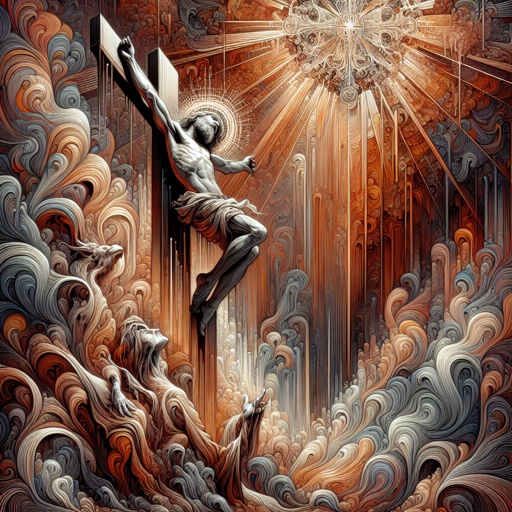
「更何況基督藉著永恆的靈 把自己毫無瑕疵地獻給上帝呢? 祂的血豈不更能洗淨我們的良心, 使我們脫離導致滅亡的行為, 以便事奉永活的上帝嗎? 」 希伯來書9:14

Hebrews 9:14 ”how much more shall the blood of Christ, who through the eternal Spirit offered himself without spot to God, purge your conscience from dead works to serve the living God?“

Hebrews 9:14 ”how much more shall the blood of Christ, who through the eternal Spirit offered himself without spot to God, purge your conscience from dead works to serve the living God?“

Hebrews 9:14-15 - "How much more, then, will the blood of Christ, who through the eternal Spirit offered himself unblemished to God, cleanse our consciences from acts that lead to death, so that we may serve the living God! For this reason Christ is the mediator of a new covenant, that those who are called may receive the promised eternal inheritance—now that he has died as a ransom to set them free from the sins committed under the first covenant."
"How much more shall the blood of Christ, who through the eternal Spirit offered himself without spot to God, purge your conscience from dead works to serve the living God?" - Hebrews 9:14
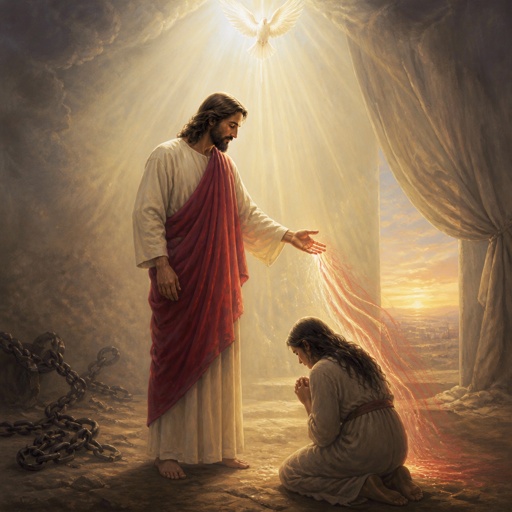
"How much more, then, will the blood of Christ, who through the eternal Spirit offered himself unblemished to God, cleanse our consciences from acts that lead to death, so that we may serve the living God! For this reason Christ is the mediator of a new covenant, that those who are called may receive the promised eternal inheritance—now that he has died as a ransom to set them free from the sins committed under the first covenant." - Hebrews 9:14-15

Hebrews 1:14

Hebrews 1:14

Hebrews 4:9 - "There remaineth therefore a rest to the people of God."

Hebrews 11:14 - "For they that say such things declare plainly that they seek a country."

Hebrews 13:14 - "For here have we no continuing city, but we seek one to come."

Hebrews 10:14 - "For by one offering he hath perfected for ever them that are sanctified."

Hebrews 9:16 - "For where a testament is, there must also of necessity be the death of the testator."

Hebrews 9:18 - "Whereupon neither the first testament was dedicated without blood."

Hebrews 9:27 - "And as it is appointed unto men once to die, but after this the judgment:"

Hebrews 9:3 - "And after the second veil, the tabernacle which is called the Holiest of all;"

Hebrews 9:9 - "Which was a figure for the time then present, in which were offered both gifts and sacrifices, that could not make him that did the service perfect, as pertaining to the conscience;"

Hebrews 1:14 - "Are they not all ministering spirits, sent forth to minister for them who shall be heirs of salvation?"

Hebrews 6:14 - "Saying, Surely blessing I will bless thee, and multiplying I will multiply thee."

Hebrews 9:13 - "For if the blood of bulls and of goats, and the ashes of an heifer sprinkling the unclean, sanctifieth to the purifying of the flesh:"

Hebrews 9:20 - "Saying, This is the blood of the testament which God hath enjoined unto you."

Hebrews 9:21 - "Moreover he sprinkled with blood both the tabernacle, and all the vessels of the ministry."

Hebrews 12:14 - "Follow peace with all men, and holiness, without which no man shall see the Lord:"

Hebrews 9:17 - "For a testament is of force after men are dead: otherwise it is of no strength at all while the testator liveth."

Hebrews 9:2 - "For there was a tabernacle made; the first, wherein was the candlestick, and the table, and the shewbread; which is called the sanctuary."

Hebrews 9:1 - "Then verily the first covenant had also ordinances of divine service, and a worldly sanctuary."

Hebrews 9:22 - "And almost all things are by the law purged with blood; and without shedding of blood is no remission."

Hebrews 7:14 - "For it is evident that our Lord sprang out of Juda; of which tribe Moses spake nothing concerning priesthood."

Hebrews 3:14 - "For we are made partakers of Christ, if we hold the beginning of our confidence stedfast unto the end;"