What does Hebrews 9:15 mean?
“And for this cause he is the mediator of the new testament, that by means of death, for the redemption of the transgressions that were under the first testament, they which are called might receive the promise of eternal inheritance.” — Hebrews 9:15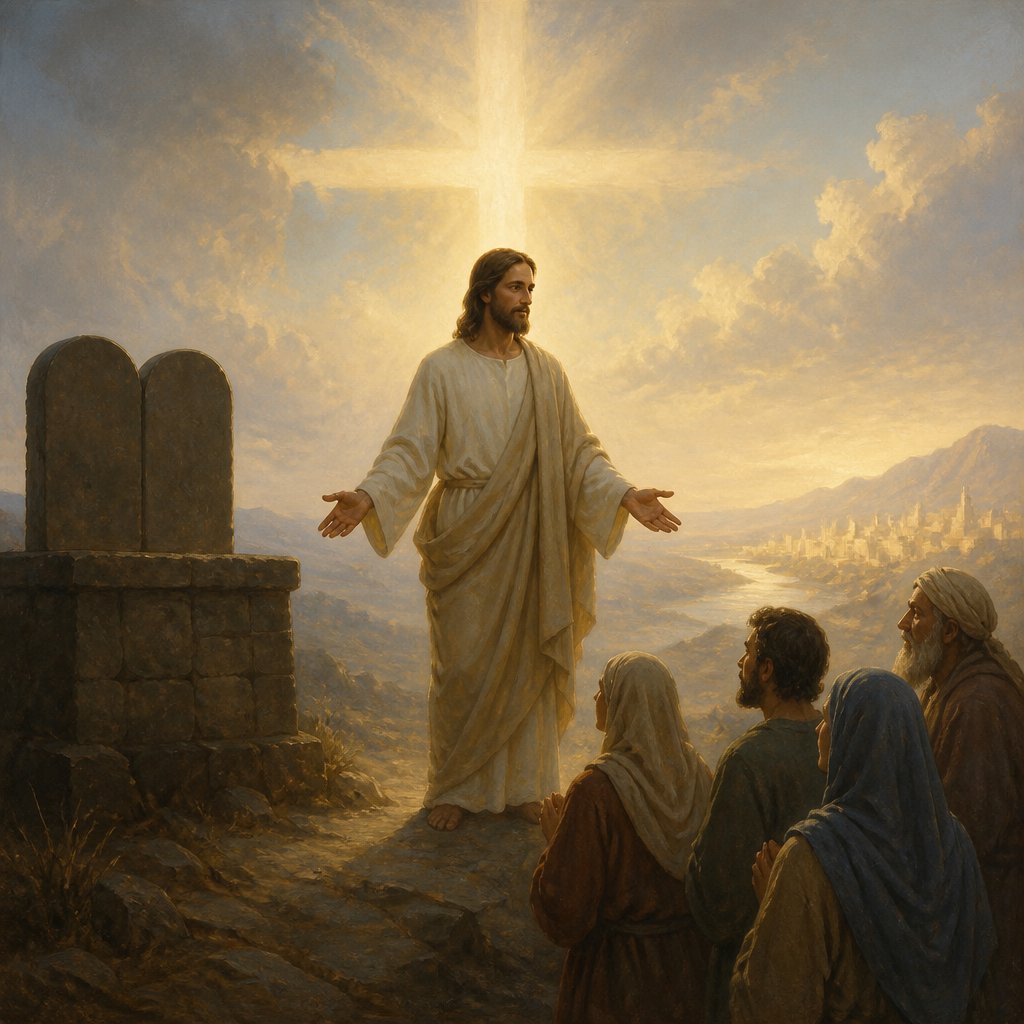
Hebrews 9:15 (KJV) reads, "And for this cause he is the mediator of the new testament, that by means of death, for the redemption of the transgressions that were under the first testament, they which are called might receive the promise of eternal inheritance."
This verse is a powerful and pivotal passage in the book of Hebrews, which was written by an unknown author to encourage persecuted Christians to persevere in their faith. The book of Hebrews focuses on the superiority of Christ and the new covenant that he established through his sacrifice on the cross. In Hebrews 9:15, the author emphasizes the significance of Jesus as the mediator of the new covenant and the redemptive power of his death.
The verse begins by declaring that Jesus is the mediator of the new testament, or covenant. In the Old Testament, a mediator was someone who acted as a bridge between two parties, often in the context of making a covenant or agreement. Jesus serves as the mediator of the new covenant between God and humanity, reconciling us to God through his sacrificial death.
The verse then explains the purpose of Jesus' death as the means of redemption for the transgressions (sins) that were under the first testament, or the old covenant. In the Old Testament, the sacrificial system required the offering of animal sacrifices to atone for sin. However, these sacrifices were only temporary and could not ultimately cleanse the conscience of the worshiper (Hebrews 9:9). Jesus, through his perfect and once-for-all sacrifice, provided eternal redemption and forgiveness for all who would believe in him.
The latter part of the verse emphasizes the eternal inheritance that is promised to those who are called. This inheritance refers to the blessings and rewards that believers receive as children of God, including eternal life, fellowship with God, and an eternal kingdom. Through faith in Christ, believers become heirs of God and co-heirs with Christ (Romans 8:17), receiving the promise of eternal life and an everlasting inheritance in the kingdom of God.
The themes present in Hebrews 9:15 include the superiority of Jesus as the mediator of the new covenant, the redemptive power of his death, and the promise of eternal inheritance for believers. Through his sacrificial death, Jesus fulfilled the requirements of the law and provided a way for humanity to be reconciled to God. This verse reaffirms the central message of the gospel - that salvation is found in Christ alone and is freely offered to all who believe in him.
In its context, Hebrews 9:15 is situated within a larger passage that contrasts the limitations of the old covenant with the sufficiency of the new covenant established by Christ. The author uses the imagery of the earthly tabernacle and the high priest's annual entrance into the Most Holy Place to make atonement for the sins of the people. He then contrasts this with the ultimate and eternal sacrifice of Jesus, who offered himself once for all to secure eternal redemption for all who would believe in him.
Symbolically, the verse portrays Jesus as the ultimate High Priest who offered himself as the perfect sacrifice to atone for the sins of humanity. The redemption and forgiveness made available through his sacrifice are emphasized, pointing to the transformative power of Christ's death. The promise of eternal inheritance underscores the hope and assurance that believers have in Christ, knowing that their future is secure in him.
Overall, Hebrews 9:15 is a profound declaration of the redemptive work of Christ and the eternal inheritance that believers receive through faith in him. It serves as a powerful reminder of the incredible gift of salvation that is available to all who place their trust in Jesus as their mediator and high priest.
Get our apps


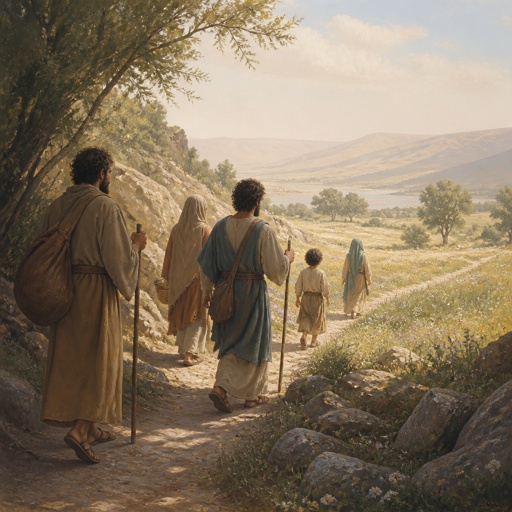
Artwork for Hebrews 9:15
Hebrews 9:15 - "And for this cause he is the mediator of the new testament, that by means of death, for the redemption of the transgressions that were under the first testament, they which are called might receive the promise of eternal inheritance."
"And for this cause he is the mediator of the new testament, that by means of death, for the redemption of the transgressions that were under the first testament, they which are called might receive the promise of eternal inheritance." - Hebrews 9:15

Hebrews 4:9 - "There remaineth therefore a rest to the people of God."

Hebrews 9:16 - "For where a testament is, there must also of necessity be the death of the testator."

Hebrews 9:18 - "Whereupon neither the first testament was dedicated without blood."

Hebrews 9:27 - "And as it is appointed unto men once to die, but after this the judgment:"

Hebrews 6:15 - "And so, after he had patiently endured, he obtained the promise."
Hebrews 10:15 - "Whereof the Holy Ghost also is a witness to us: for after that he had said before,"

Hebrews 9:3 - "And after the second veil, the tabernacle which is called the Holiest of all;"

Hebrews 7:15 - "And it is yet far more evident: for that after the similitude of Melchisedec there ariseth another priest,"

Hebrews 9:9 - "Which was a figure for the time then present, in which were offered both gifts and sacrifices, that could not make him that did the service perfect, as pertaining to the conscience;"

Hebrews 9:13 - "For if the blood of bulls and of goats, and the ashes of an heifer sprinkling the unclean, sanctifieth to the purifying of the flesh:"

Hebrews 9:20 - "Saying, This is the blood of the testament which God hath enjoined unto you."

Hebrews 9:21 - "Moreover he sprinkled with blood both the tabernacle, and all the vessels of the ministry."

Hebrews 3:15 - "While it is said, To day if ye will hear his voice, harden not your hearts, as in the provocation."

Hebrews 2:15 - "And deliver them who through fear of death were all their lifetime subject to bondage."

Hebrews 9:17 - "For a testament is of force after men are dead: otherwise it is of no strength at all while the testator liveth."

Hebrews 9:2 - "For there was a tabernacle made; the first, wherein was the candlestick, and the table, and the shewbread; which is called the sanctuary."

Hebrews 9:1 - "Then verily the first covenant had also ordinances of divine service, and a worldly sanctuary."

Hebrews 9:22 - "And almost all things are by the law purged with blood; and without shedding of blood is no remission."

Hebrews 3:9 - "When your fathers tempted me, proved me, and saw my works forty years."

Hebrews 9:5 - "And over it the cherubims of glory shadowing the mercyseat; of which we cannot now speak particularly."
"There remaineth therefore a rest to the people of God." - Hebrews 4:9

Hebrews 6:9 - "But, beloved, we are persuaded better things of you, and things that accompany salvation, though we thus speak."

Genesis 40:15 - "For indeed I was stolen away out of the land of the Hebrews: and here also have I done nothing that they should put me into the dungeon."

Hebrews 11:15 - "And truly, if they had been mindful of that country from whence they came out, they might have had opportunity to have returned."

Hebrews 7:9 - "And as I may so say, Levi also, who receiveth tithes, payed tithes in Abraham."

Hebrews 9:8 - "The Holy Ghost this signifying, that the way into the holiest of all was not yet made manifest, while as the first tabernacle was yet standing:"

Hebrews 9:6 - "Now when these things were thus ordained, the priests went always into the first tabernacle, accomplishing the service of God."

Hebrews 9:10 - "Which stood only in meats and drinks, and divers washings, and carnal ordinances, imposed on them until the time of reformation."